

Gym equipment finance: leasing and hire purchase for UK gyms
Lease the gym kit that dates and buy the kit that lasts. Cardio machines with screens and software usually suit an operating…
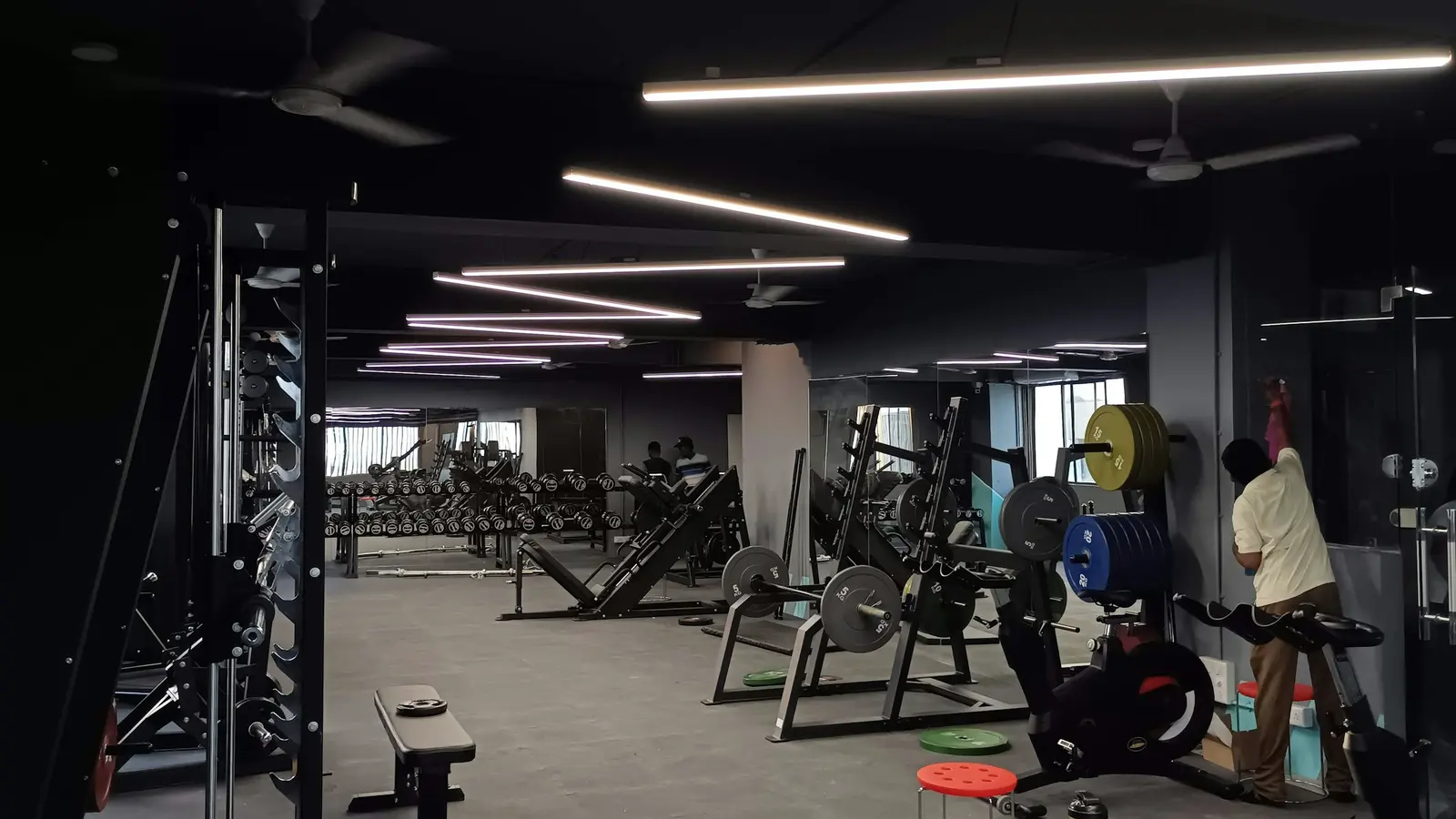
Sage estimates around £75,000 to £120,000 upfront to open a UK gym. The main costs, what drives them up or down, and how new gyms are usually funded.
The cost of opening a gym depends on what kind of gym it is, where it is and whether you buy or lease the equipment. This guide brings together published UK estimates, explains what moves them and sets out how new gyms are usually funded. Every figure is attributed to its source and is an estimate, not a quote. Smart Funding Solutions is a broker: we search the market and arrange finance from lenders on our panel. For finance once you know your numbers, see our gym business loans page.
Sage's guide to opening a gym in the UK (published April 2026, updated May 2026) gives these estimates. Sage describes them as guidelines and average estimates that should not be read as an exact quote (Sage, how much does it cost to open a gym?).
| Cost | Sage's UK estimate |
|---|---|
| Total upfront cost to start a gym | Around £75,000 to £120,000 |
| Buying equipment | Around £40,000 for equipment for 20 members |
| Leasing equipment | Around £2,500 a month for a full commercial gym set-up catering to 200 members |
| Rental deposit (six months of rent) | £2,304 to £68,472 |
| Launch marketing, including a website | Around £7,000 to £72,000 or more |
| Insurance | From around £1,000 a year for a small gym with four employees; £1,500 to £3,000 or more is common |
| Energy | £1,500 to £12,000 a month |
| Payment and management software | Around £20 to £200 or more a month |
| Signage | £450 to £3,000 for a 1 by 5 metre shop sign |
| Reserve for running costs | Three to six months of operating expenses |
At the other end of the market, The Gym Group, which runs around 260 low-cost gyms, reported expansionary capital expenditure of £33.9 million in 2025, which it says relates to the fit-out of the 16 new gyms it opened that year (The Gym Group, 2025 full year results). A large 24-hour gym is a very different project from a personal training studio.
A franchise gives you a brand, systems and supplier deals in return for fees. Sage notes that an initial franchise investment can start as low as £19,950, while larger gym franchises can cost between £1.7 million and £3.8 million (Sage). Ask the franchisor for its current fees, the total investment and the trading figures of existing sites, and read our franchise loans page on how lenders fund franchises.
| What needs funding | Common finance |
|---|---|
| Gym equipment | Asset finance: hire purchase or leasing over the equipment's working life |
| Fit-out of the unit | Fit-out finance or a business loan |
| A brand-new business | A government-backed Start Up Loan, alongside your own money |
| Buying the premises | A commercial mortgage |
| Buying an existing gym | Acquisition finance, based on the gym's trading record |
A Start Up Loan is an unsecured personal loan for business use of £500 to £25,000, at a fixed 7.5% a year over one to five years, with up to 12 months of free mentoring. It is for businesses planned or trading for less than five years (GOV.UK, Start Up Loans). Established gyms can also look at loans backed by the British Business Bank's Growth Guarantee Scheme, which covers term loans and asset finance through accredited lenders.
A brand-new gym has no trading record, so lenders lean more heavily on your plan, your experience and the equipment as security. Expect a personal guarantee on most business borrowing.
This guide is general information, not financial advice. Lenders set their own criteria, rates and terms, and all finance is subject to status.
Not ready for the full application? Leave a few details and a broker will call you to talk it through. It is free, with no obligation.
Sage estimates that starting a gym in the UK typically needs around £75,000 to £120,000 upfront, and describes this as a guideline average (Sage). A small personal training studio can cost less, especially if you lease equipment and take a unit that needs little fit-out. Get quotes for your own unit and kit before you rely on any average.
The largest monthly costs are usually rent, staff, energy and equipment repayments. Sage puts UK gym energy bills at anywhere between £1,500 and £12,000 a month and software at around £20 to £200 or more a month, and suggests keeping a reserve of three to six months of operating expenses. Build these into your cash flow forecast before you borrow.
It is harder, but not impossible. Without a trading record, lenders look closely at your business plan, your own contribution and any fitness or management experience. A government-backed Start Up Loan is designed for new businesses, and equipment can often be funded with asset finance because the kit itself is the security. Our gym business loans page explains what lenders check.
Buying costs less in total if you have the cash, but leasing or hire purchase spreads the cost and keeps money free for opening costs. Sage estimates around £40,000 to buy equipment for 20 members, or around £2,500 a month to lease a full set-up for 200 members. See our guide to leasing gym equipment.
Lease the gym kit that dates and buy the kit that lasts. Cardio machines with screens and software usually suit an operating…

To open a day nursery in England you need premises with enough indoor and outdoor space for the EYFS requirements, a qualified…

To open a padel club, test local demand, choose between an indoor unit and an outdoor site, secure planning consent and a lease…

To open an indoor golf centre, test local demand, find a unit with enough ceiling height and space for your bays, check…

To start a domiciliary care agency in England, set up a company, register with the Care Quality Commission for personal care,…

A care home is normally valued as a trading business, not as a building. A specialist valuer estimates the profit a reasonably…
Our clients say
Trusted by UK businesses across every sector.
“Simon was fast, kept us updated at all stages and was a real pleasure to work with on our asset finance. I highly recommend this company: excellent service all round.”
“Spoke with Simon, who managed to get me the loan I needed promptly. The whole process was very smooth and was completed within a few days.”
“Getting a business loan can feel like a bit of a minefield, but everything was broken down for me in great detail. Will use again in the future!”
“Simon was a pleasure to deal with and helped us find a business loan that matched our growth goals and future expansion plans.”
“I couldn’t source funding for my business, but the team got in touch within an hour and had it sorted within 24 hours. Fantastic service, and I would definitely use them again.”
A short conversation is often enough to know which lenders will look at your case and how to present it. There is no obligation, and it is free to enquire.