

Are more businesses going bust? Company insolvencies in September 2026
The Insolvency Service recorded 1,882 company insolvencies in England and Wales in September 2026, 4% fewer than in August and…

UK inflation rose to 3.5% in September 2026, driven by fuel prices. What it means for Bank Rate on 5 November and the cost of your business borrowing.
This article is for business owners asking whether interest rates are about to go up, and what rising inflation means for the cost of their borrowing. The Office for National Statistics (ONS) published its consumer price inflation figures for September 2026 on 21 October 2026. Below we set out what they show, what could happen to Bank Rate on 5 November and how to plan your funding. Smart Funding Solutions is a broker, not a lender: we compare whole-of-market options across 300+ lenders, arranging funding from £10,000 to £20 million.
According to the ONS consumer price inflation bulletin for September 2026, the Consumer Prices Index (CPI) rose by 3.5% in the 12 months to September 2026, up from 3.1% in August. CPIH, the wider measure that includes owner occupiers' housing costs, rose by 3.6%, up from 3.3%.
Mainly fuel. The ONS said transport, particularly motor fuels, made the largest upward contribution to the change. The average price of petrol rose by 8.2 pence a litre between August and September to 169.5p, and diesel rose by 10.7 pence to 192.5p a litre. Restaurants and hotels pulled the other way: prices in that division rose 3.8% over the year, down from 4.1% in August, as hotel prices rose more slowly than a year earlier.
For firms that run vans, lorries or machinery, that is a direct rise in costs. Our report on diesel prices and what they mean for hauliers looks at transport businesses in detail, and transport and logistics finance sets out the funding options.
Nobody can say for certain until the Bank of England's Monetary Policy Committee announces its decision on 5 November 2026, alongside its next Monetary Policy Report, according to the Bank's published timetable for 2026. What we do know:
Inflation is one of several things the Committee weighs, alongside wages, growth and how far price rises are spreading through the economy. Our post on Bank Rate being held at 3.75% explains how the September decision was reached.
It depends on how your borrowing is priced:
Our guide to business loan interest rates explains how lenders set pricing, and our business finance rate index shows typical rates by product.
£212,300A transaction we arrangedApproved, then nearly lost at completion. £212K consolidated.A property-title requirement threatened a consolidation deal at the last hurdle. We worked it through and kept the structure intact.If you already know you need funding, waiting for a decision that could push rates up rarely helps. A few points to weigh:
Lenders judge each application on your own trading, affordability and credit history, not on the headline inflation rate. Our guide to how lenders assess business loan applications sets out what they check.
The Autumn Budget could also change the tax bills you need to plan for. If a VAT or tax bill is coming, our guide to Time to Pay or a tax loan compares the two main ways to spread it.
The Bank of England announces its next decision on 5 November 2026. The ONS lists its next consumer price inflation release, covering October, for 18 November 2026. For the wider picture, our report on August GDP covers how the economy is growing.
If you want funding in place before rates move, get your Instant Quotes to see your lender matches instantly, with no credit check. Lenders make every decision, and all finance is subject to status.
This guide is general information, not financial advice. Lenders set their own criteria, rates and terms, and all finance is subject to status.
Not ready for the full application? Leave a few details and a broker will call you to talk it through. It is free, with no obligation.
CPI inflation was 3.5% in the 12 months to September 2026, up from 3.1% in August, and CPIH was 3.6%, up from 3.3%, according to the ONS September 2026 bulletin published on 21 October 2026.
No one knows until the Monetary Policy Committee announces its decision on 5 November 2026. In September it held Bank Rate at 3.75% by six votes to three, with three members voting for 4%, and it expected inflation to keep rising into early 2027. Some forecasters, including Bloomberg Economics, expect a 0.25 percentage point rise.
The ONS said motor fuels made the largest upward contribution in September 2026. Petrol averaged 169.5p a litre, up 8.2p in a month, and diesel 192.5p, up 10.7p. Services inflation also rose, to 3.7%.
Only if the loan is on a variable rate linked to Bank Rate. Fixed-rate loans keep their agreed rate for the fixed term. Overdrafts, revolving credit facilities and invoice finance usually charge a margin over base rate, so their cost would follow a rise.
The Insolvency Service recorded 1,882 company insolvencies in England and Wales in September 2026, 4% fewer than in August and…
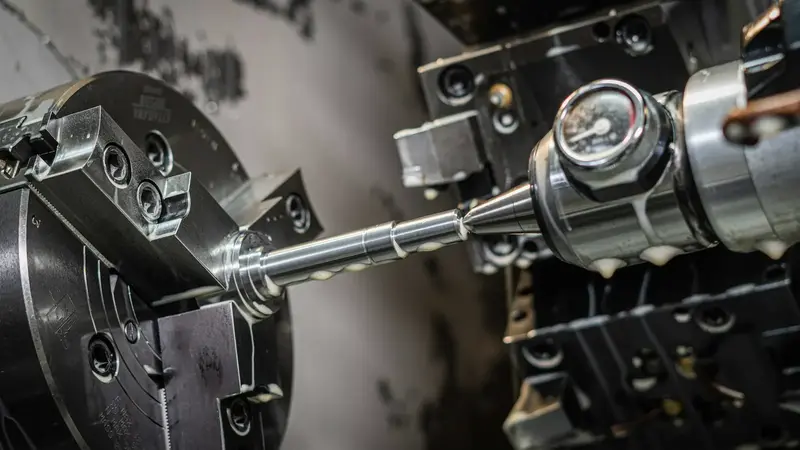
The UK manufacturing PMI rose to 51.9 in September 2026 from 51.7 in August, showing factory activity still growing, with new…

UK retail sales rose by 1.3% year on year in September 2026, down from 2.3% growth a year earlier, according to the BRC-KPMG…

The share of UK retail spending made online rose to 28.8% in August 2026, up from 28.4% in July, the Office for National…

UK new car registrations rose 12.1% to 350,518 in September 2026, the strongest September since 2017, according to preliminary…

The UK construction PMI rose to 46.1 in September 2026 from 44.3 in August, the slowest decline in activity for eight months…
Our clients say
Trusted by UK businesses across every sector.
“Simon was fast, kept us updated at all stages and was a real pleasure to work with on our asset finance. I highly recommend this company: excellent service all round.”
“Spoke with Simon, who managed to get me the loan I needed promptly. The whole process was very smooth and was completed within a few days.”
“Getting a business loan can feel like a bit of a minefield, but everything was broken down for me in great detail. Will use again in the future!”
“Simon was a pleasure to deal with and helped us find a business loan that matched our growth goals and future expansion plans.”
“I couldn’t source funding for my business, but the team got in touch within an hour and had it sorted within 24 hours. Fantastic service, and I would definitely use them again.”
A short conversation is often enough to know which lenders will look at your case and how to present it. There is no obligation, and it is free to enquire.