

Finance lease: equipment leasing without ownership
A finance lease is a form of equipment leasing in which a lender buys an asset and rents it to your business for most of its…
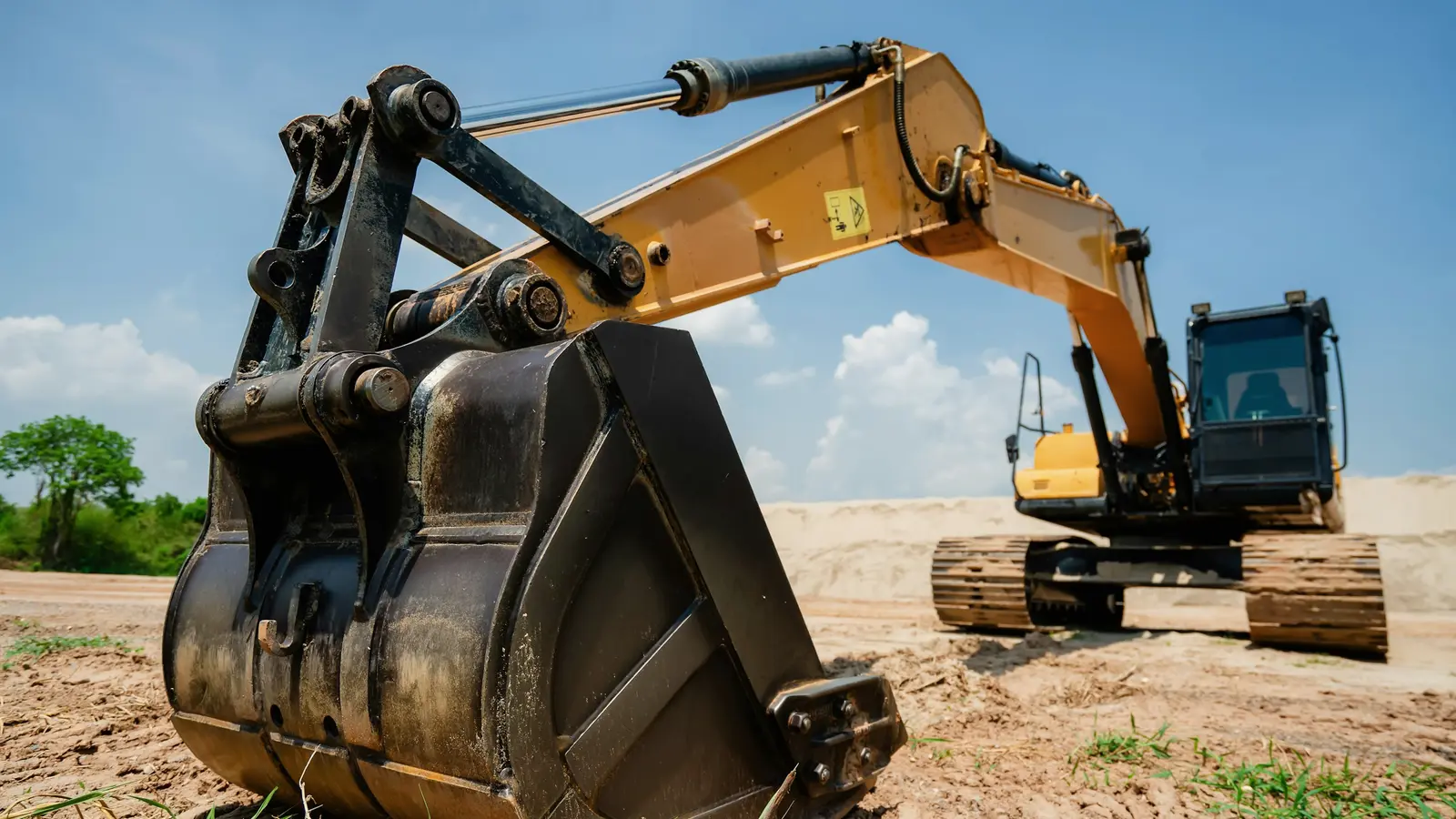
Sell equipment, vehicles or machinery to a lender and lease or buy it back: sale and leaseback vs sale and HP back, typical advances and lender checks.
Explore funding options Prefer a quick call back? Leave your number
“I highly recommend this company: excellent service all round.”
In short
What you need to know.
With sale and HP back the lender buys it and you buy it back in instalments, so ownership returns to you at the end. Hard assets such as HGVs, plant and machinery are widely accepted; softer assets such as IT and fit-outs are usually only refinanced shortly after purchase, often within about 90 days.
About sale and leaseback finance
Specialist knowledge. Better outcomes.
Businesses that paid cash for kit often find their money tied up in yards, workshops and vehicle fleets just when they need it for a contract, a tax bill or growth. Sale and leaseback, and its close relative sale and HP back, turn that equipment back into cash without taking it out of use. A lender buys the asset from you at an agreed value, pays you the money, and you keep using it under a new finance agreement.
Smart Funding Solutions is a broker. With well over a dozen asset finance lenders on our panel offering these products, the right lender depends mainly on what the asset is, how old it is and when you bought it. For a wider view, including loans secured on assets, see our guide to asset refinancing.
The advance is a percentage of the asset's current value, less anything still owed on it. Terms from lenders on our panel give a sense of the range:
Every advance depends on a valuation and on the lender's view of your business. Assets that are hard to move or resell, such as specialist tooling built into a building, attract lower advances.
Many lenders will only refinance soft assets, and sometimes any assets, if they were bought recently, typically within 90 days and in some cases within five months of the invoice date. The reasoning is that a recent invoice proves the value and shows the business paid for the asset from its own cash in the expectation of financing it. If you are about to pay a supplier for new equipment, it is usually better to arrange asset finance before you pay. If you have already paid, act quickly.
Proof of ownership: purchase invoices, and V5C documents for vehicles.
The asset's make, model, age, condition and hours or mileage.
Any finance still outstanding, with settlement figures.
Trading history: some lenders only refinance for businesses trading for two or three years or more.
Why you are raising the money. Lenders want a clear business reason, not a business that needs refinancing to survive.
Recent accounts and bank statements, and business and director credit history.
| Advantages | Disadvantages |
|---|---|
| Releases cash without selling equipment you rely on | It is new borrowing with interest and fees |
| The asset is the main security, which widens the choice of lenders | The asset can be repossessed if payments are missed |
| Fixed payments agreed at the start | Soft assets are only accepted shortly after purchase |
| Payments can often be set monthly, quarterly or seasonally | Older or specialist assets attract lower advances |
How the main business finance structures work. Lenders set their own terms, so treat this as a guide to the questions to ask.
| Option | How you repay | Security | Often used for |
|---|---|---|---|
| Unsecured business loan | Fixed instalments, usually monthly | No charge over assets; a personal guarantee is usually required | Growth, stock, tax bills and cash flow |
| Secured business loan | Fixed instalments, often over a longer term | A charge over property or other assets | Larger sums, property and refinancing |
| Revolving credit facility | Interest on what you draw; repay and redraw | Varies by lender and case | Recurring or uneven cash flow gaps |
| Merchant cash advance | A share of future card takings | No charge over assets | Card-taking businesses with uneven months |
| Asset finance | Regular payments over the life of the asset | The asset being financed | Equipment, vehicles and machinery |
| Invoice finance | Settled as customers pay their invoices | Your unpaid invoices | Businesses waiting on customer payment |
General information only. Every lender has its own criteria, and all finance is subject to status.
| Feature | Sale and leaseback | Sale and HP back |
|---|---|---|
| How it works | The lender buys the asset and leases it back to you | The lender buys the asset and you buy it back in instalments |
| Ownership | Stays with the lender; end-of-term options vary | Returns to you after the final payment |
| Typical use | Assets you will use for their working life without needing to own them | Assets you want to own again, such as plant and vehicles with a long life |
| Tax and accounting | Changes how the asset is held, so check with your accountant | Changes how the asset is held, so check with your accountant |
Some lenders do not offer sale and HP back in Scotland and use sale and leaseback there instead, so tell us where the assets are kept.
Lenders make every credit decision. It is free to enquire; any broker fee is disclosed separately before you proceed. Start with our Instant Quotes tool, which asks whether you want to release cash from equipment you already own.
Illustrative figures from the numbers you enter, before you speak to a lender.
In both, a lender buys an asset you own and pays you for it. With sale and leaseback you then lease it back, and ownership stays with the lender. With sale and HP back you buy it back in instalments, and ownership returns to you once the final payment is made.
For hard assets such as vehicles, plant and machinery, usually yes, as long as the asset has a resale value. For soft assets such as IT or fit-outs, most lenders only accept items bought very recently, often within 90 days of the invoice.
Often, yes. The new lender settles the existing agreement and pays you the difference between the advance and the settlement figure. You will need a settlement letter from the current lender.
Straightforward cases can complete within days once the lender has the asset details, invoices and accounts. It takes longer if an inspection or independent valuation is needed, or if several assets or existing agreements are involved.
It can, because the asset is sold to the lender and held differently afterwards. Your accountant should confirm the tax and VAT position before you sign. Our guide to asset finance and capital allowances covers the general principles, and HMRC explains the rules in its guide to claiming capital allowances.
Independent write-ups of lenders on our panel that offer this type of finance. Smart Funding Solutions is a broker and is not part of any lender listed. See all lender reviews.
A finance lease is a form of equipment leasing in which a lender buys an asset and rents it to your business for most of its…

Limited company car finance means the company, not the director personally, buys or leases the car, usually through hire…
How much you can raise depends mainly on what the asset would sell for today, not what you paid for it. Vans, HGVs, plant and…

IT equipment finance spreads the cost of laptops, desktops, servers, networking and phone systems over monthly payments,…

Medical equipment finance spreads the cost of clinical kit, from ultrasound and endoscopy stacks to lab analysers, OCT scanners…

Used equipment finance funds second-hand machinery, plant, vehicles and specialist kit through hire purchase, leasing or a…
What our clients say
“Simon was fast, kept us updated at all stages and was a real pleasure to work with on our asset finance. I highly recommend this company: excellent service all round.”
“We were looking for finance for new equipment. Simon is excellent and objective-driven, without the horrendous form filling of your usual high street bank. The whole thing took just a few days.”
“Spoke with Simon, who managed to get me the loan I needed promptly. The whole process was very smooth and was completed within a few days.”
“Getting a business loan can feel like a bit of a minefield, but everything was broken down for me in great detail. Will use again in the future!”
“Simon was a pleasure to deal with and helped us find a business loan that matched our growth goals and future expansion plans.”
“I couldn’t source funding for my business, but the team got in touch within an hour and had it sorted within 24 hours. Fantastic service, and I would definitely use them again.”