

Autumn Budget 2026: what it could mean for business finance and borrowing
The Autumn Budget 2026 will be delivered on Wednesday 28 October 2026. Nothing in it is confirmed until the Chancellor speaks,…
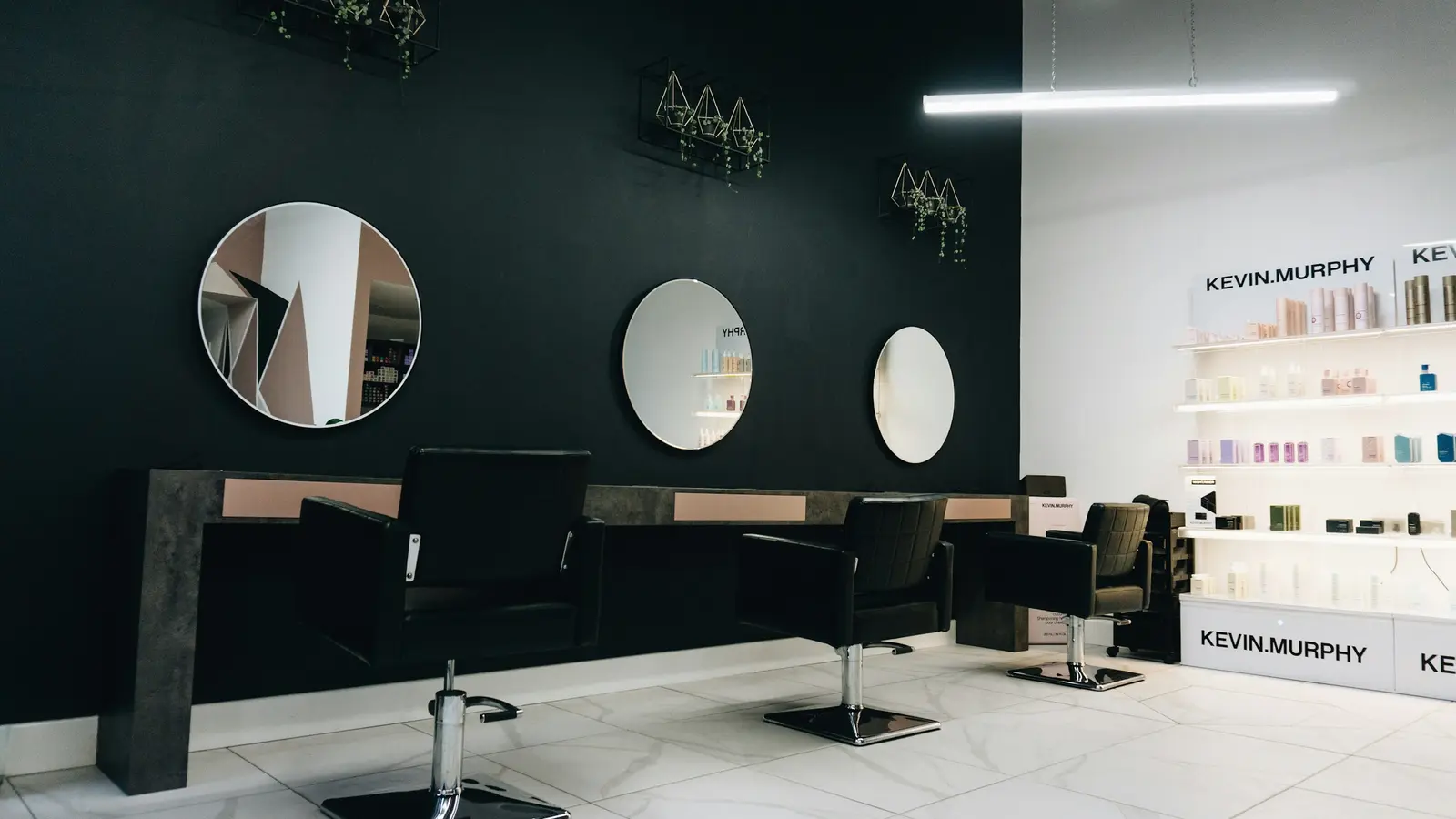
2,000 salon owners and workers have asked for VAT on hair and beauty to be halved to 10%. What the campaign says and the funding options for salon owners.
This article is for hair salon, barbershop and beauty salon owners who want to know what the VAT campaign means for them and how to manage cash flow while they wait for the Budget. The hair and beauty industry is labour intensive, so VAT and employment costs weigh heavily. Below we set out the figures and the funding options for salons. Smart Funding Solutions is a broker, not a lender: we compare whole-of-market options across 300+ lenders, arranging funding from £10,000 to £20 million.
As Business Matters reported on 6 October 2026, around 2,000 salon owners and workers have signed an open letter, organised by the British Hair Consortium (BHC), asking for VAT on hair and beauty salons to be cut to 10%. The BHC, which represents more than 50,000 professionals, wants a split-rate VAT model like Ireland's, with a lower rate for labour-intensive services.
According to the BHC:
Toby Dicker, co-founder of the BHC, said: "The root cause is the impact VAT has on a service-based industry like ours."
The trade body the National Hair & Beauty Federation (NHBF) has made the same call. As Hairdressers Journal reported in July, the NHBF says the sector has more than 50,000 VAT and PAYE registered businesses, supports more than 178,000 people and turns over about £6.1 billion. Its president, Fiona Johnston, said: "The first and most urgent step should be a VAT cut."
Salons were left out of the 20% business rates cut for pubs, social clubs and live music venues that starts in April 2027. Ireland, meanwhile, cut its VAT rate for hairdressing from 13.5% to 9% on 1 July 2026. Whether the UK follows will be clear at the Budget on 28 October. See our Autumn Budget 2026 article for what else is expected.
Most of a salon's costs are wages, and VAT is charged on the full price of each service once turnover passes the £90,000 registration threshold. That means a large quarterly VAT bill for many owners, which can be hard to meet after a slow month. The run-up to Christmas is usually busy, but January and February are often quiet, while rent, wages and VAT keep coming.
Owners who plan for the VAT quarter and the quiet weeks, rather than reacting when a bill lands, have more options. Our page on Time to Pay or a tax loan compares two ways to spread an HMRC bill.
Our beauty salon finance page explains how lenders view salons, and our aesthetics clinic finance page covers clinics. Self-employed stylists can see our page on self-employed loans.
Lenders look at how long your salon has traded, your monthly turnover and card takings, and how your business bank account is run. Because many salons rent chairs or rooms to self-employed stylists, lenders may ask how your income is split between your own services and chair rental. A full appointment book, regular clients and a steady retail product line all help. For refits and equipment, suppliers' quotes and a plan for how the investment will lift bookings or prices make an application stronger. Any HMRC arrears, including late VAT, will be checked, so it pays to arrange funding before a bill falls overdue.
The Budget may or may not bring a VAT cut, but your next VAT bill is certain. Get your Instant Quotes to see which lenders could back your salon. Lenders make every decision, and all finance is subject to status.
This guide is general information, not financial advice. Lenders set their own criteria, rates and terms, and all finance is subject to status.
Not ready for the full application? Leave a few details and a broker will call you to talk it through. It is free, with no obligation.
A cut in VAT on hair and beauty services from 20% to 10%. Around 2,000 salon owners and workers signed an open letter organised by the British Hair Consortium, Business Matters reported.
No. The 20% business rates cut from April 2027 covers pubs, social clubs and live music venues in England. Hairdressers, barbers, beauty salons and aesthetics clinics are not included.
When its taxable turnover passes the VAT registration threshold, currently £90,000 over 12 months.
A VAT loan spreads the bill over several months, and HMRC's Time to Pay is another option. Instant Quotes shows which lenders could fund your salon, with no credit check.
The Autumn Budget 2026 will be delivered on Wednesday 28 October 2026. Nothing in it is confirmed until the Chancellor speaks,…

The Bank of England held Bank Rate at 3.75% on 17 September 2026, by six votes to three, with three members voting to raise it…

UK retail sales rose by 1.3% year on year in September 2026, down from 2.3% growth a year earlier, according to the BRC-KPMG…

Hospitality goes into the 28 October Budget under pressure. The British Beer & Pub Association says 295 pubs closed permanently…

Nearly two thirds of dentists in England (63%) expect to reduce their NHS work after this year's contract changes, and just 1%…

The UK construction PMI rose to 46.1 in September 2026 from 44.3 in August, the slowest decline in activity for eight months…
Our clients say
Trusted by UK businesses across every sector.
Simon was fast, kept us updated at all stages and was a real pleasure to work with on our asset finance. I highly recommend this company: excellent service all round.
Spoke with Simon, who managed to get me the loan I needed promptly. The whole process was very smooth and was completed within a few days.
Getting a business loan can feel like a bit of a minefield, but everything was broken down for me in great detail. Will use again in the future!
Simon was a pleasure to deal with and helped us find a business loan that matched our growth goals and future expansion plans.
I couldn’t source funding for my business, but the team got in touch within an hour and had it sorted within 24 hours. Fantastic service, and I would definitely use them again.
A short conversation is often enough to know which lenders will look at your case and how to present it. There is no obligation, and it is free to enquire.