
Pub mortgage: finance to buy a freehold pub
A pub mortgage is a long-term commercial loan used to buy or refinance the freehold of a pub, secured on the property. Lenders…
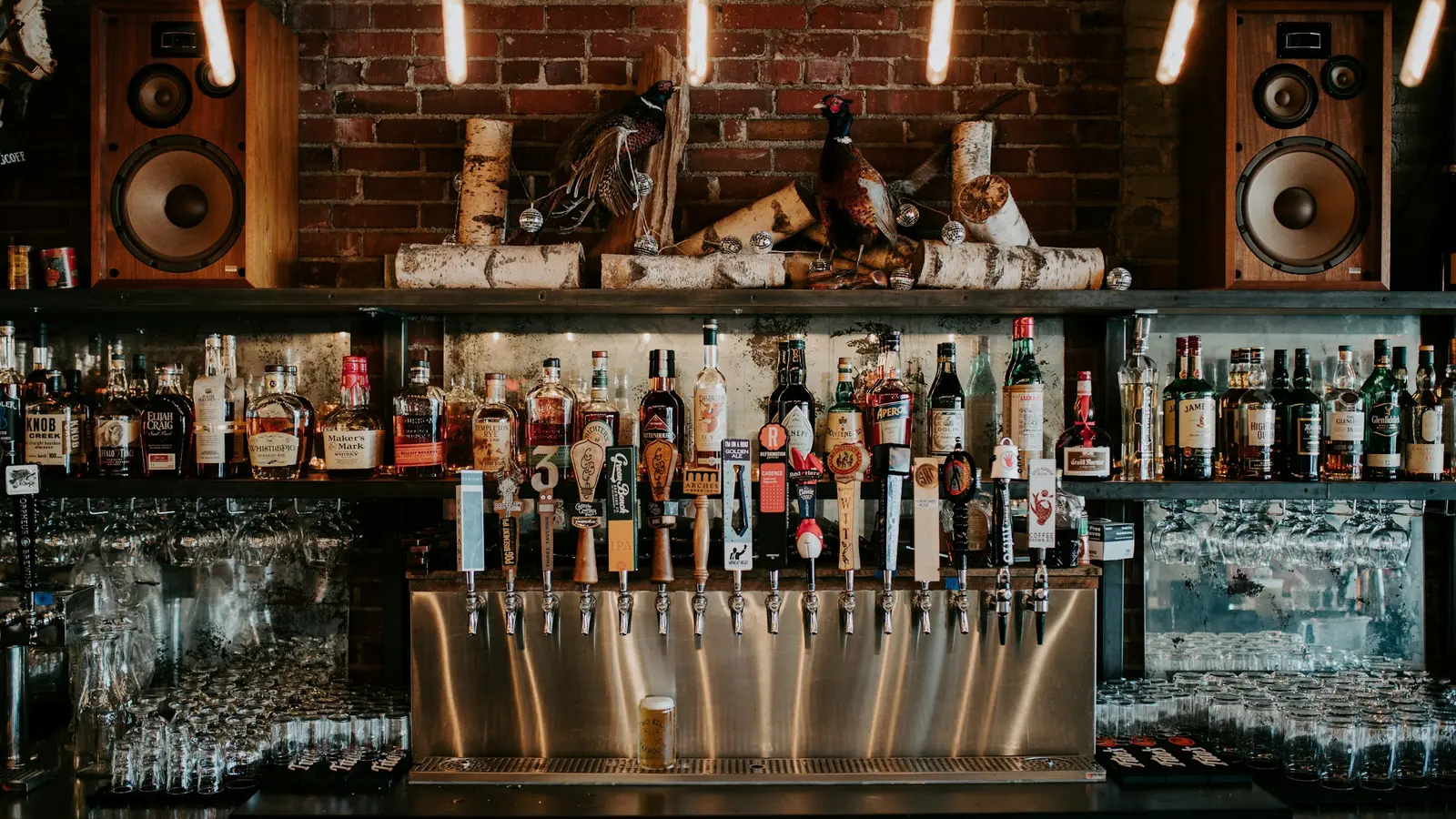
Buying a pub in the UK: freehold vs leasehold vs tied tenancy, due diligence checks, how purchases are funded, what lenders assess and the licensing steps.
Buying a pub means acquiring either the freehold of the building and business, the lease of a free-of-tie pub, or a tied tenancy from a pub company or brewery. This guide is for first-time buyers and experienced licensees who want to understand the steps, the costs and how pub purchases are usually funded. Smart Funding Solutions is a commercial finance broker: we search our panel of lenders for commercial mortgages, loans and equipment finance that fit the deal you are buying.
| Freehold | Free-of-tie leasehold | Tied lease or tenancy | |
|---|---|---|---|
| What you buy | Building and business | The lease and business | The right to trade under the pub company's agreement |
| Capital needed | Highest | Medium (premium, fixtures, stock) | Lowest |
| Supplier choice | Full | Full | Some or all drinks bought from the landlord |
| Typical finance | Commercial mortgage plus deposit | Business loan and asset finance | Personal funds, smaller loan, asset finance |
The structure you choose shapes how much you need to raise and what type of finance lenders will consider.
Research the area: local population, competition, footfall, parking and tourism. Specialist licensed-trade agents can help. Look closely at the building's condition, kitchen and cellar, any letting rooms or living accommodation, and the existing premises licence and its conditions.
Build your own forecast rather than relying on the seller's. Include:
A clear business plan built on these figures is what lenders will assess.
Most buyers combine a personal deposit with one or more types of finance. Our pub and bar loans page explains each option for established pubs in more depth.
Once a pub is trading, takings can support further funding, as in our case studies on four facilities for a pub, topped up as each was repaid, £256,000 for a pub company and £158,000 for a public house. Pubs that brew their own beer can see brewery finance.
Instruct a solicitor experienced in licensed premises to deal with the purchase or lease. In England and Wales, a pub needs a premises licence, and the designated premises supervisor must hold a personal licence. You will need to transfer or vary the licence into your name and check its conditions. Your local council handles licensing; GOV.UK explains the basics. You will also need to register as a food business if you serve food. Scotland and Northern Ireland have separate licensing systems.
This guide is general information, not financial advice. Lenders set their own criteria, rates and terms, and all finance is subject to status.
Not ready for the full application? Leave a few details and a broker will call you to talk it through. It is free, with no obligation.
It depends on whether you are buying a freehold or a lease, the lender, the property and your experience. Freehold purchases funded with a commercial mortgage usually need a substantial deposit, while tied tenancies need far less upfront capital. Lenders confirm the loan-to-value they can offer only after reviewing your plan, the valuation and the pub's figures.
It is harder but not impossible. Lenders prefer licensed-trade or management experience. Without it, a larger deposit, a detailed business plan, relevant training such as a personal licence qualification, or an experienced manager on the team can strengthen your application. Some pub companies also provide training for new tenants, which lenders may take into account.
Yes, but it is usually harder to finance. With no recent trading figures, lenders rely on your experience, forecasts and the property's value, and may lend less against it. Check whether the premises licence is still in force, the condition of the building and any planning restrictions. Budget for reopening costs and a longer period before trade builds.
The cost of buying a pub depends mainly on whether you buy the freehold, a free-of-tie lease or a tied tenancy. A freehold needs the most capital, a lease involves a premium plus fixtures and stock, and a tenancy needs the least. On top, budget for legal and survey fees, licensing, any refurbishment and working capital for the first months. Our pub and bar loans page covers how each route is funded.
Yes, a freehold pub is usually bought with a commercial mortgage plus a deposit from the buyer. Because a pub is valued as a trading business, lenders look closely at the accounts, the wet and dry split, your licensed trade experience and the building's condition, as well as the property value. Lenders set their own deposit and term requirements. Our commercial mortgages page explains how lenders assess trading property.
A pub mortgage is a long-term commercial loan used to buy or refinance the freehold of a pub, secured on the property. Lenders…

Most people buy a trading B&B with a commercial or semi-commercial mortgage, because the owner lives on site and the lender…

How a hotel is funded depends on the job. A purchase or freehold usually needs a commercial mortgage with a deposit; a large…

Wedding venues are usually bought or refinanced with a commercial mortgage, converted with staged or bridging finance, and…
Most cafes combine two or three types of finance rather than one loan: equipment finance or leasing for the espresso machine…
Choose hire purchase if you want to own long-life items such as a combi oven or cold room, leasing if you want a lower up-front…
Our clients say
Trusted by UK businesses across every sector.
“Simon was fast, kept us updated at all stages and was a real pleasure to work with on our asset finance. I highly recommend this company: excellent service all round.”
“Spoke with Simon, who managed to get me the loan I needed promptly. The whole process was very smooth and was completed within a few days.”
“Getting a business loan can feel like a bit of a minefield, but everything was broken down for me in great detail. Will use again in the future!”
“Simon was a pleasure to deal with and helped us find a business loan that matched our growth goals and future expansion plans.”
“I couldn’t source funding for my business, but the team got in touch within an hour and had it sorted within 24 hours. Fantastic service, and I would definitely use them again.”
A short conversation is often enough to know which lenders will look at your case and how to present it. There is no obligation, and it is free to enquire.