
Crop finance for arable and combinable crop farms
Crop finance covers the gap between autumn drilling and the sale of the harvest, which on a combinable crop farm can be the…
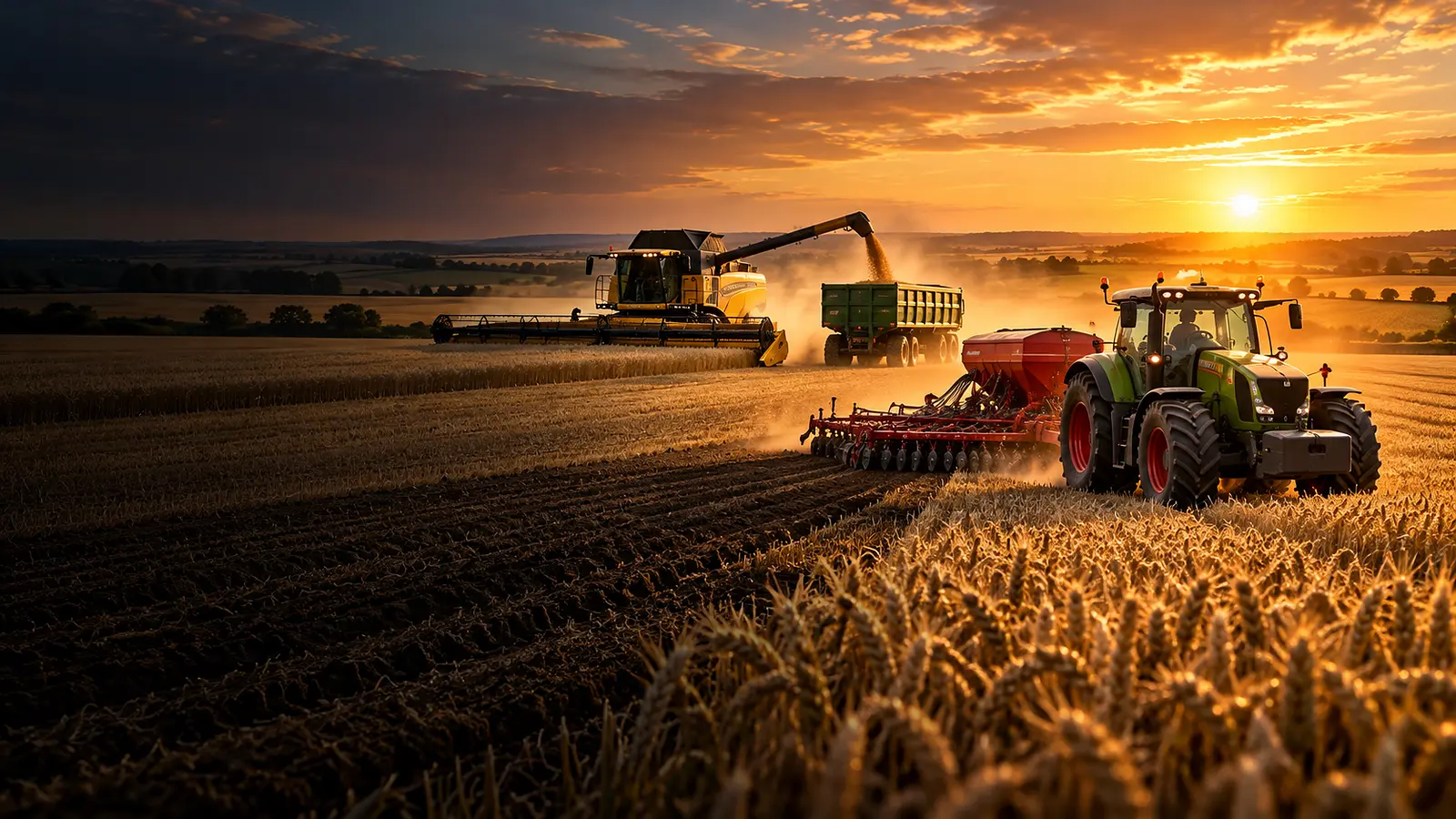
Spread the cost of a new or used combine, headers included, with payments timed around harvest. Compare hire purchase, balloon HP, leasing and refinancing.
Explore funding options Prefer a quick call back? Leave your number
“He knows his stuff and is easy to deal with.”
In short
Supporting arable farms at every stage.
A finance lease suits those who never want ownership, and refinancing releases cash from machinery already owned. The key difference from other machinery finance is timing: payments can be set annually or after harvest to match when grain and contracting income are paid.
The operating cycle
Cash leaves the business at every stage before it comes back. Each stage below is a point where the right facility can carry the gap.
“He is fair and always gives advice that is in the best interest of his clients.”
Orders, contracts or customers secured.
Stock, materials and equipment paid for up front.
Asset finance →Wages and suppliers paid on time.
Working capital →The work is done or the goods are sold.
Customers pay, sometimes weeks later.
Invoice finance →VAT and Corporation Tax fall due.
HMRC loans →Growth, a new site or new equipment.
Business loans →About combine harvester finance
Specialist knowledge. Better outcomes.
Combine harvester finance lets arable farmers and agricultural contractors spread the cost of a new or used combine, with its headers and attachments, over the machine's working life. The main options are hire purchase, finance leases and refinancing machinery you already own, often with seasonal repayments that match harvest income. Smart Funding Solutions is a broker, not a lender: we search our panel of 300+ lenders, including agricultural specialists, for terms that suit your farm.
Choose the need, and we’ll show you how lenders usually structure it.
You pay a deposit, often including the VAT, and then fixed instalments over an agreed term. You own the combine once the final payment is made. Hire purchase is the most common route for farm machinery because you keep the machine for the long term. As the owner for tax purposes you may be able to claim capital allowances; your accountant can confirm the position.
Deferring part of the cost to a final balloon payment lowers the regular instalments. At the end you pay the balloon, refinance it, or sell or part-exchange the machine to settle it.
The lender owns the combine and rents it to you for most of its working life. Rentals are fixed and generally treated as a business expense. At the end you can usually continue renting at a reduced rate or arrange a sale of the machine.
If you own a combine or other machinery outright, asset refinancing can release cash from it while you keep using it. This can fund a machinery upgrade, land purchase or working capital.
A combine is one of the largest investments an arable farm or contractor makes, and it earns its money over a short window each year. Finance spreads that cost so you:
Many agricultural lenders offer repayment profiles built around the farming year: annual or half-yearly payments, larger payments after harvest, or payment holidays in the months before income arrives. To agree a seasonal profile, lenders will want a cash flow forecast showing when your income actually arrives. Grain is often stored and sold on forward contracts months after harvest, so base the payment dates on when sales are paid, not on when the crop comes in. This flexibility is one of the main advantages of using a lender that understands agriculture.
New combines come with manufacturer warranties and the latest yield-mapping and automation technology. Used combines cost less and can be financed too, but lenders look closely at age, engine and drum hours, condition and expected resale value, and terms may be shorter. Buying through an established dealer with full service history makes approval easier.
If your acreage does not justify owning a combine, using a contractor or sharing a machine may be more cost-effective. Contractors themselves often finance several machines, and lenders will look at the strength of their contracts and customer base. If you do own, compare the total cost of hire purchase against a lease over the period you expect to keep the machine.
A combine is often one part of a wider investment. See our guide to agricultural finance and farm loans for land, buildings, livestock and working capital, and our article on tractor finance for other machinery.
Farm or contracting accounts for recent years
Recent bank statements and a cash flow forecast
Acreage farmed or contracted, and income sources
Existing machinery finance and other borrowing
Credit history of the business and its owners
The machine: make, model, age, hours and supplier quote
A combine is one of the most expensive machines on a farm and works for only a few weeks a year, so lenders focus on its value and on when the money to repay it arrives.
Our panel includes an agricultural specialist bank as well as general asset lenders. Scheme income that supports farm cash flow is covered in our news on the SFI26 application window.
Engine and threshing hours drive value, and the header is often valued separately. Lenders ask for hours, service records and any major repairs before setting the advance.
A machine that also cuts for neighbours earns contract income that can support the repayments. Lenders like written agreements or a history of the same customers each year.
Agricultural machines can still use rebated fuel for farming work, which keeps running costs down; see Excise Notice 75.
Many lenders will set annual or seasonal payments that fall after grain is sold, rather than equal monthly sums.
It is free to enquire; any broker fee is disclosed separately before you proceed.
Agricultural contractors are a significant part of the market for combine finance, and specialist lenders will consider them. They look at trading history, the contracts or regular customers in place, the acreage covered, existing machinery finance and recent accounts. Repeat customer relationships help show that repayments remain affordable across good and poor harvests, and a spread of customers reduces the risk of relying on one farm.
Combine harvester finance terms are usually matched to the machine's expected working life and resale value, so new combines tend to qualify for longer terms than older used ones. Lenders weigh the age, engine and drum hours, condition and your farm's cash flow. A balloon payment can reduce the regular instalments. Lenders set their own maximum terms, so it is worth comparing more than one agricultural lender.
Usually, yes. With hire purchase you normally pay a deposit, often including the VAT, which VAT-registered farms can then reclaim. A trade-in of an existing combine can count towards the deposit. The size required depends on the machine, its age and your accounts. A finance lease may need a smaller upfront payment. Our asset finance calculator helps you estimate instalments for different deposits.
It can be possible, but options narrow and terms are usually less favourable. Lenders look at the credit history of the business and its owners, so missed payments or CCJs lead to closer scrutiny, a larger deposit or a shorter term. Strong accounts, a good cash flow forecast and an explanation of past problems help. Our guide to bad credit asset finance covers what lenders consider.
Yes, if you own a combine outright or have significant equity in it, asset refinancing can release cash while you keep using the machine. Lenders base the amount on its current value, age and hours. The money can fund other machinery, land or working capital. Our page on asset refinancing explains how it works and what lenders check.
You can see which lenders on our panel are likely to fit your farm, with no credit search, using Instant Quotes. For a combine, the lender will also want the machine details, its age and hours before confirming terms.
Usually yes. Under hire purchase your business is treated as the owner, so the combine can qualify for capital allowances such as the Annual Investment Allowance once it is in use (GOV.UK: Annual Investment Allowance). Check the timing with your accountant.
Crop finance covers the gap between autumn drilling and the sale of the harvest, which on a combinable crop farm can be the…
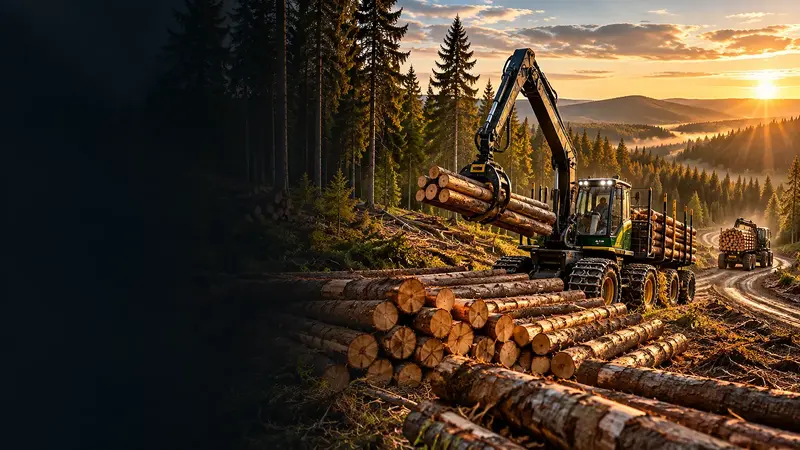
Forestry finance depends on which part of the timber chain you are in. Harvesting contractors mostly use asset finance on…
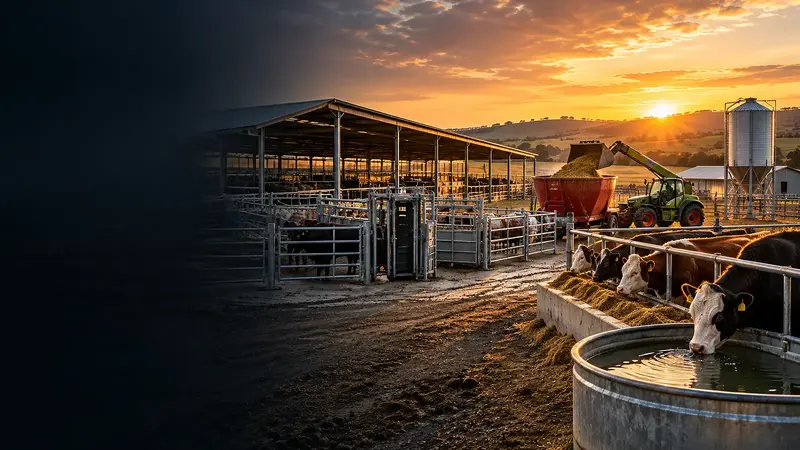
Buying stock ties up cash for months before it earns: heifers take time to come into milk, and store cattle or lambs need a…
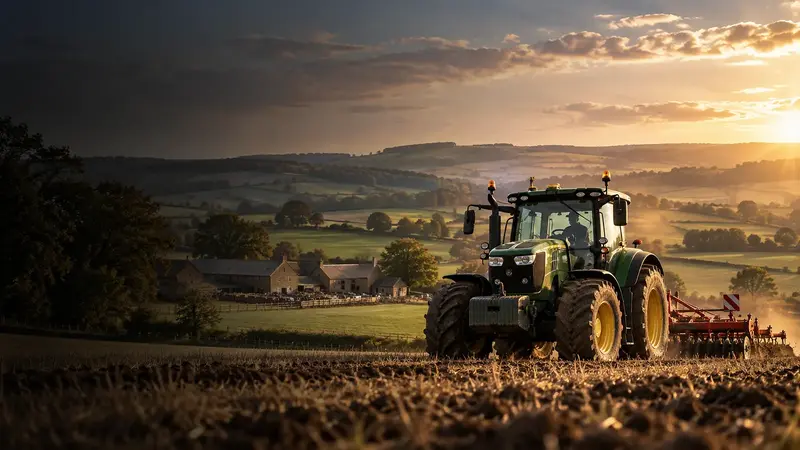
Count the hours. A tractor that will work most of the year is usually best bought on hire purchase, so the farm owns it at the…
Agricultural equipment finance spreads the cost of farm machinery, from drills and sprayers to telehandlers, feed wagons and…
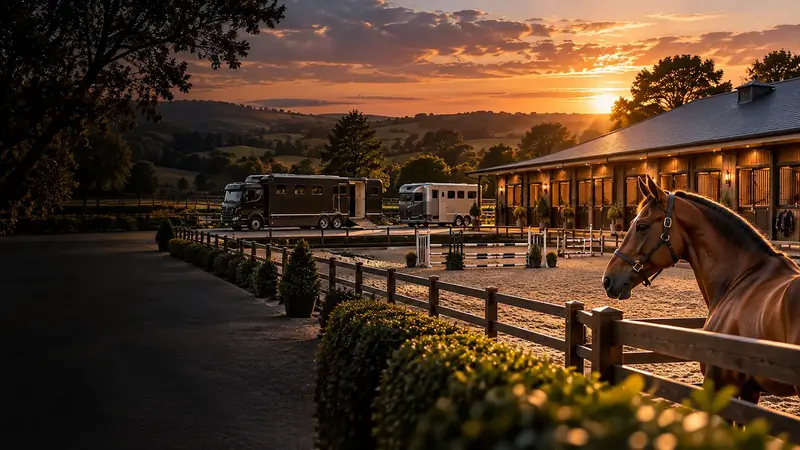
Farm diversification finance funds a new, non-farming income stream on the holding: barn conversions to workshops or homes,…
What our clients say
“Simon was fast, kept us updated at all stages and was a real pleasure to work with on our asset finance. I highly recommend this company: excellent service all round.”
“Spoke with Simon, who managed to get me the loan I needed promptly. The whole process was very smooth and was completed within a few days.”
“Getting a business loan can feel like a bit of a minefield, but everything was broken down for me in great detail. Will use again in the future!”
“Simon was a pleasure to deal with and helped us find a business loan that matched our growth goals and future expansion plans.”
“I couldn’t source funding for my business, but the team got in touch within an hour and had it sorted within 24 hours. Fantastic service, and I would definitely use them again.”

Chat with Smart Funding
We usually reply in seconds
Please don't share bank details or passwords here. Calls on 01244 267694.