
Agricultural equipment finance for a whole farm machinery fleet
Agricultural equipment finance spreads the cost of farm machinery, from drills and sprayers to telehandlers, feed wagons and…
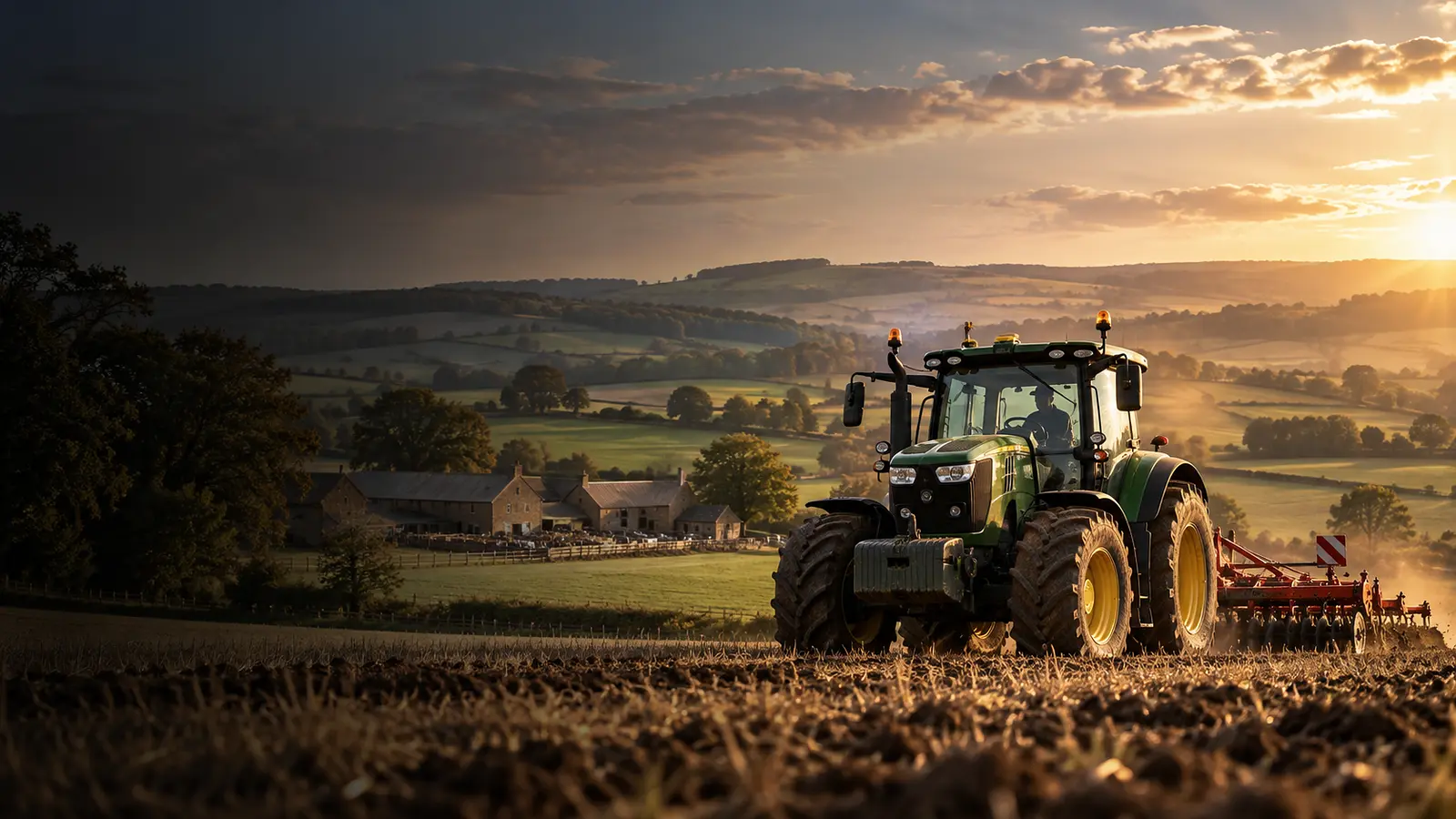
Should you buy a tractor on hire purchase, lease it or hire one for the season? How each option works, seasonal payments, and what lenders need from farms.
Tractor finance lets farms and agricultural contractors spread the cost of a new or used tractor over time instead of paying in full upfront. The main options are hire purchase, where you own the tractor once the final payment is made, and leasing, where you pay to use it for an agreed period. Smart Funding Solutions is a broker, not a lender: we approach lenders, including agricultural specialists, and look for payment profiles that follow your farm's income.
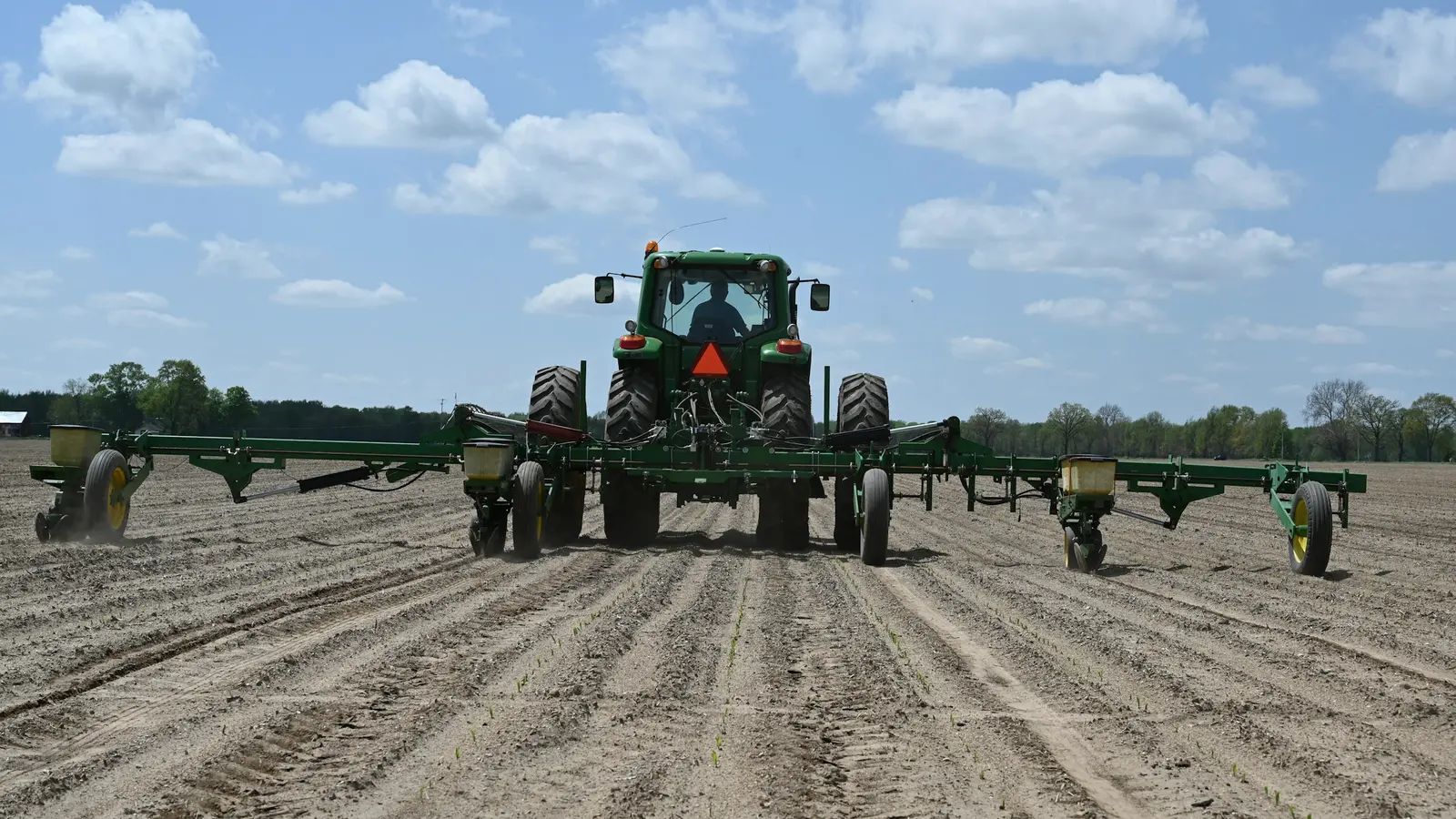
Tractor finance is a form of asset finance. Unlike a general business loan, which may be unsecured or need other security, it is secured against the machine being bought. Terms are usually set with the tractor's value and expected working life in mind. You choose the tractor, the lender pays the dealer or seller, and you repay over the agreed term.
You pay a deposit, then fixed instalments. Ownership passes to your business once all payments and any option fee are made. Hire purchase suits farms that plan to keep a tractor for many years. Some agreements include a larger final balloon payment to lower monthly costs.
The lender owns the tractor and you pay rentals to use it. At the end, you may be able to extend the lease or share in the sale proceeds, depending on the agreement. Leasing can lower monthly costs and suits businesses that change machinery regularly.
You pay to use the tractor for a fixed period and hand it back at the end. Some agreements include maintenance. This suits businesses that want predictable costs and no resale risk.
If you own a tractor outright or have equity in it, asset refinancing can release cash for working capital or restructure existing borrowing into more manageable payments.
Many tractor manufacturers offer finance through their dealer networks, sometimes with promotional terms on new machines. It is worth comparing these against the wider market, particularly for used tractors or mixed-brand fleets.
| Option | Suits | Watch for |
|---|---|---|
| Short-term or seasonal hire | Extra capacity at drilling or harvest, or a one-off job | Highest cost per day; availability at peak times |
| Contract hire or operating lease | Predictable costs and regular upgrades | Hours limits and return conditions |
| Finance lease | Lower monthly costs on a tractor used for most of its life | You do not own it at the end |
| Hire purchase | A tractor you will keep and work hard for years | Deposit and VAT usually payable at the start |
| Buying outright | Farms with spare cash and no better use for it | Ties up capital needed for seed, feed and fuel |
A simple test: estimate the hours you will run the tractor each year. If it will be busy most of the year, owning through hire purchase usually makes sense; if you need it for a few weeks, hire is often cheaper overall. Tax treatment differs between hire purchase, leasing and outright purchase, so speak to your accountant before deciding.
Farm income often arrives in lumps, around harvest or livestock sales. Some agricultural lenders can structure repayments to match, for example with lower payments in lean months and higher payments after harvest, or annual or quarterly repayments. Ask about this if your income is seasonal.
Deposit levels, rates and terms vary by lender, credit profile, the tractor's age and value, and the product. A finance calculator gives a rough idea of repayments, but the actual offer depends on the lender's assessment. Check:
The process usually runs from enquiry to document review, lender decision, signing and payment to the supplier. Decisions can come within a few working days once a lender has everything it needs.
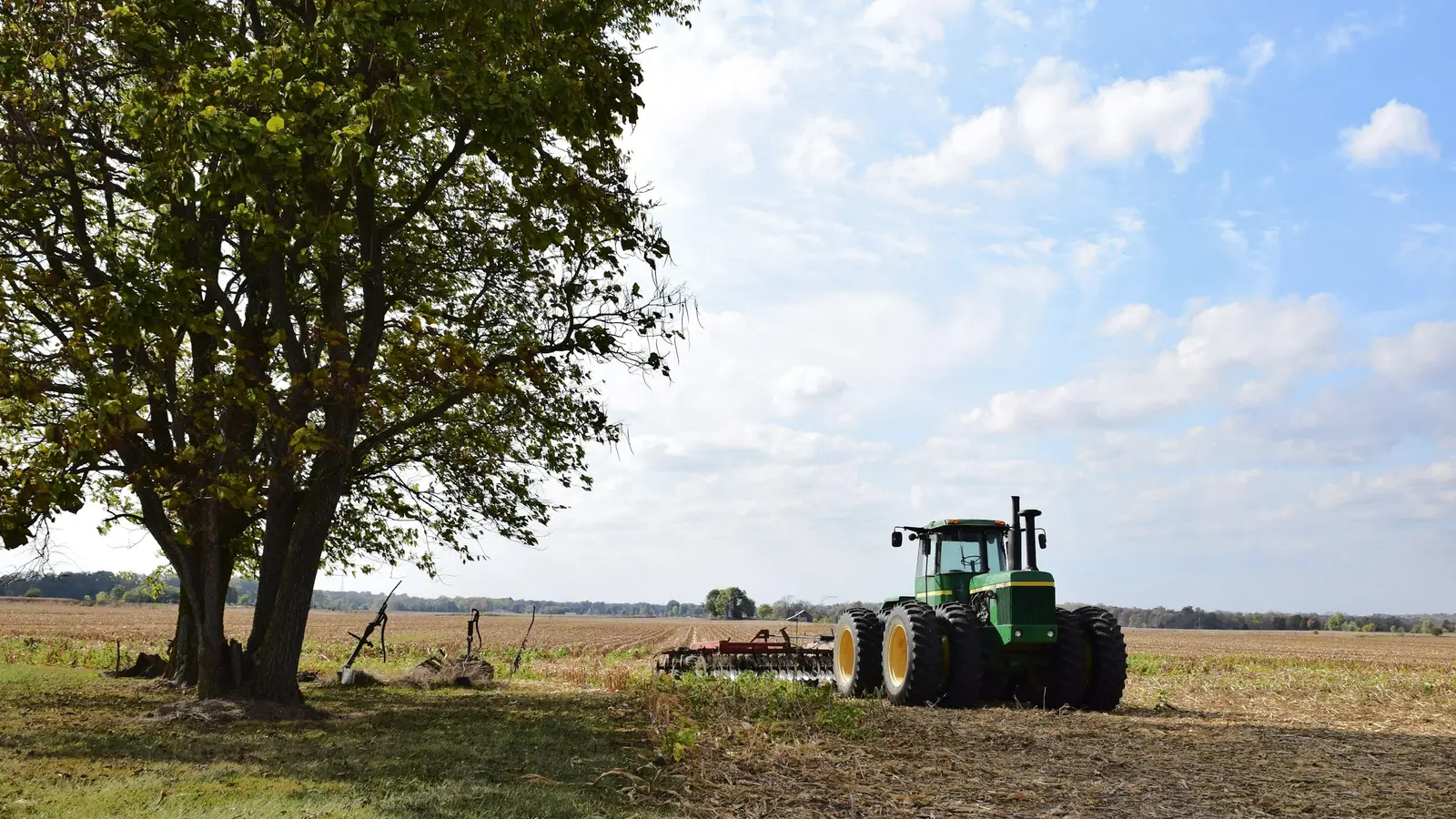
To lease a tractor, you choose the machine and the dealer, agree the type of lease and the annual hours you expect to run, and the lender buys the tractor and rents it to your business for a fixed term. The detail of the agreement matters more on a tractor than on most assets, because hours and wear drive its value.
| Term | Why it matters |
|---|---|
| Annual hours allowance | Excess hours can be charged at the end, or affect your share of sale proceeds |
| Return condition | Tyres, bodywork and wear standards define what counts as damage |
| Maintenance and repairs | Whether servicing is included or your responsibility |
| Insurance | Lenders require the tractor to be insured, often with their interest noted |
| End of term | Whether you can extend, return or sell the tractor and share in the proceeds |
| Early termination | What you pay if the farm's needs change mid-term |
Leasing spreads VAT across the rentals rather than paying it upfront, and the tax treatment differs from hire purchase, so check with your accountant which suits your farm.
The amount you can borrow is usually the price of the tractor, plus any loader or implements bought with it, less your deposit or part-exchange. Whether it is a compact tractor for a smallholding or a 130 ps tractor for a mixed farm, lenders weigh the same things: the price, the tractor's age and hours, and whether the farm's income covers the repayments through the year.
Lenders usually set the term so the agreement ends well within the tractor's working life, so a new machine can often be spread over a longer term than an older, high-hours one. The deposit, the term and any balloon payment all move the monthly cost, so ask for quotes on more than one structure before you choose.
How you finance a tractor changes how it is taxed, so the cheapest agreement on paper is not always the cheapest after tax.
Your accountant can tell you which suits your farm's profits. Our guide to whether business loans are tax deductible explains the interest rules in more detail.
Tractor finance comes from three main kinds of provider, and comparing across them is where most of the saving lies.
We search the market across these lenders for you and set the offers side by side, so you can see how a dealer's deal compares with the rest of the market before you sign.
Most tractor finance is a business agreement and is not regulated by the Financial Conduct Authority. In written evidence to Parliament, the FCA explains that loans to limited companies are unregulated, that lending to sole traders and small partnerships is regulated only up to £25,000, and that lending above £25,000 is unregulated if it is wholly or mainly for business purposes.
In practice, a farming partnership or sole trader financing a smaller tractor may be covered by consumer credit rules, while a limited company or a larger agreement usually is not. Either way, read the agreement in full, including the hours allowance, balloon and early settlement terms.
Have the tractor's make, model, age, hours and price ready, together with recent bank statements and accounts. You can see which lenders on our panel fit your farm in minutes with Instant Quotes, or read our pages on farm machinery finance and hire purchase. Any broker fee depends on the lender and is never paid upfront.
This guide is general information, not financial advice. Lenders set their own criteria, rates and terms, and all finance is subject to status.
Not ready for the full application? Leave a few details and a broker will call you to talk it through. It is free, with no obligation.
Yes. Lenders commonly finance used tractors bought from dealers, at auction or privately. They will consider the make, model, age, hours and condition, along with your business records and affordability. Older machines or private sales may mean a shorter term or larger deposit, so have the tractor's details and seller information ready when you apply.
The deposit for tractor finance varies by lender, the age of the tractor and your farm's trading record, and a part-exchange can often count towards it. Established farms with good accounts may be offered lower deposits, while newer businesses or older machines may need more. A larger deposit lowers repayments and widens the choice of lenders. Our farm machinery finance page covers other kit too.
Yes, new farmers and agricultural contractors can get tractor finance, although fewer lenders consider businesses without trading accounts. Because the tractor itself is the security, lenders can be more flexible than for an unsecured loan, but they will look at your experience, personal credit, any contracts or land you farm and your deposit. Agreements of £25,000 or less to sole traders and small partnerships can be regulated consumer credit.
Tractor finance with bad credit is sometimes possible, because the tractor acts as security and lenders can rely partly on its resale value. Expect a narrower choice of lenders, a larger deposit and higher costs. Lenders want to know what caused the credit problem, whether it has been resolved and whether farm income comfortably covers repayments. Our asset finance page explains how security affects lender appetite.
You can usually claim capital allowances on a tractor bought through hire purchase, because the business is normally treated as the owner for tax from the start. Under a lease, the lessor claims the allowances and you deduct the rentals instead. The right choice depends on your profits and tax position, so check with your accountant. GOV.UK explains the Annual Investment Allowance.
Yes. Farms and agricultural contractors can lease tractors through a finance lease, operating lease or contract hire. The lender owns the tractor and your business pays rentals to use it for an agreed term, often with an annual hours allowance. Some leases include maintenance. We approach lenders, including agricultural specialists, and compare how each structures hours, rentals and end-of-term options.
It depends mainly on hours and how long you keep machines. A tractor worked hard for many years usually suits hire purchase, because you own it at the end. If you replace tractors regularly, want fixed running costs or prefer not to pay VAT upfront, leasing often suits better. Ask your accountant how each option affects your tax position before deciding.
Most tractor leases set an annual hours allowance. If you exceed it, the agreement may charge for the extra hours at the end, or the higher hours may reduce the tractor's sale value and any share of proceeds you receive. If you expect your workload to change, raise it early, as some lenders can amend the allowance during the term.
Usually, yes. Lenders can often include a front loader, and implements bought at the same time, in one agreement, provided they appear on the dealer invoice or quotation. Each item is valued in its own right, so older or specialist implements may need a larger deposit. Ask for the full specification to be itemised when you get your quote.
A full application usually involves a credit search that is recorded on your file, and several in a short period can make lenders cautious. Checking which lenders are likely to accept you first avoids unnecessary applications. Our Instant Quotes tool shows your matches without a credit check.
Yes. If you own a tractor outright or have equity in it, a lender may advance cash against it through a sale and HP back or refinance agreement, with the tractor as security. This can release working capital ahead of a busy season. Our asset refinancing page explains how it works.
Agricultural equipment finance spreads the cost of farm machinery, from drills and sprayers to telehandlers, feed wagons and…
Most farms buy a combine on hire purchase, often with a balloon to reduce instalments, because they keep the machine for years…
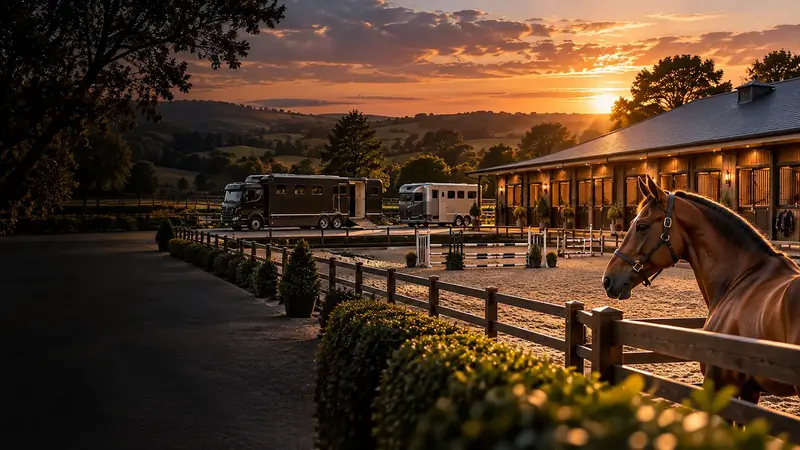
Equestrian finance funds horse businesses such as livery yards, riding schools, competition and breeding yards, and horse…
Crop finance covers the gap between autumn drilling and the sale of the harvest, which on a combinable crop farm can be the…
Farm diversification finance funds a new, non-farming income stream on the holding: barn conversions to workshops or homes,…
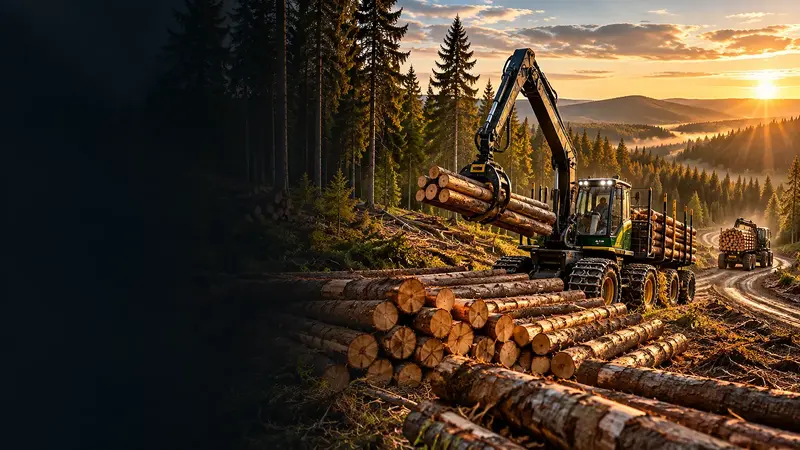
Forestry finance depends on which part of the timber chain you are in. Harvesting contractors mostly use asset finance on…
Our clients say
Trusted by UK businesses across every sector.
“Simon was fast, kept us updated at all stages and was a real pleasure to work with on our asset finance. I highly recommend this company: excellent service all round.”
“Spoke with Simon, who managed to get me the loan I needed promptly. The whole process was very smooth and was completed within a few days.”
“Getting a business loan can feel like a bit of a minefield, but everything was broken down for me in great detail. Will use again in the future!”
“Simon was a pleasure to deal with and helped us find a business loan that matched our growth goals and future expansion plans.”
“I couldn’t source funding for my business, but the team got in touch within an hour and had it sorted within 24 hours. Fantastic service, and I would definitely use them again.”
A short conversation is often enough to know which lenders will look at your case and how to present it. There is no obligation, and it is free to enquire.