
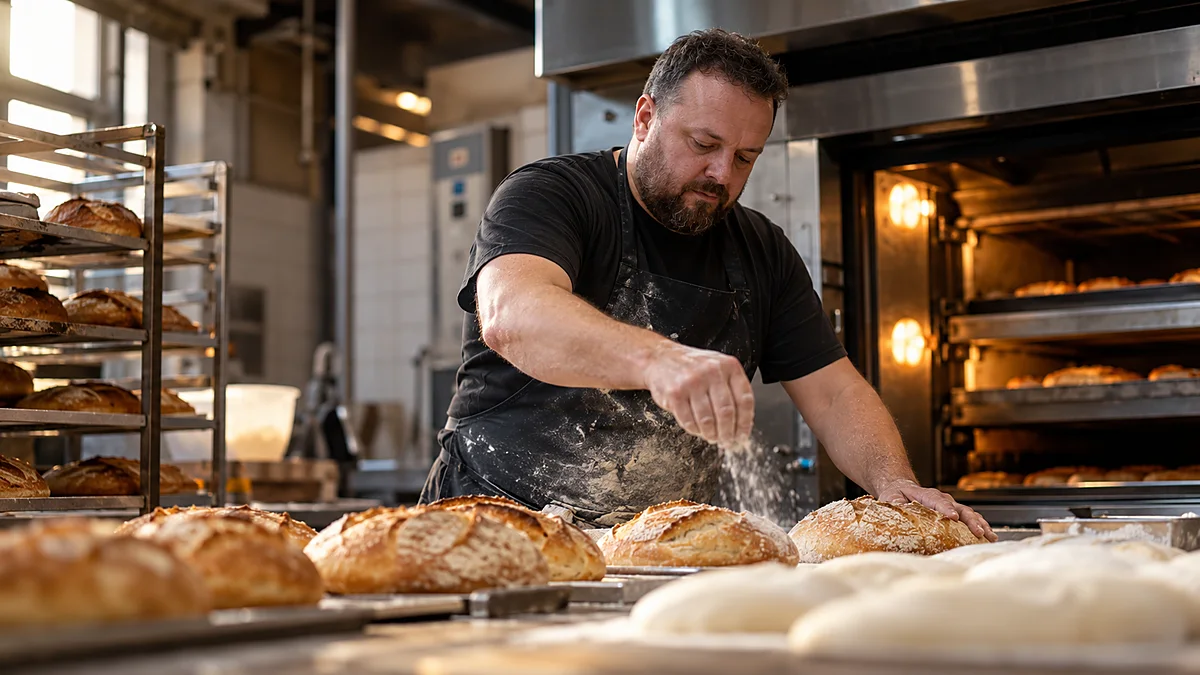
Bakery equipment finance: funding ovens, provers and shop fit-outs
Bakery equipment finance spreads the cost of ovens, provers, mixers, slicers and shop counters over fixed monthly payments,…
How meat processing equipment finance works for cutting plants, abattoirs and butchers: cold chain, FSA approval, what lenders assess and the security needed.
Explore funding options Prefer a quick call back? Leave your number
“The team provided a very helpful and professional service.”
In short
Supporting meat processing businesses at every stage.
Lenders look closely at FSA approval or local authority registration, audit results, margins, customer concentration and cold chain resilience, and usually take the equipment as security, often with a director's guarantee.
The operating cycle
Cash leaves the business at every stage before it comes back. Each stage below is a point where the right facility can carry the gap.
“He is fair and always gives advice that is in the best interest of his clients.”
Orders, contracts or customers secured.
Stock, materials and equipment paid for up front.
Asset finance →Wages and suppliers paid on time.
Working capital →The work is done or the goods are sold.
Customers pay, sometimes weeks later.
Invoice finance →VAT and Corporation Tax fall due.
HMRC loans →Growth, a new site or new equipment.
Business loans →About meat processing equipment finance
Specialist knowledge. Better outcomes.
This page is for abattoirs, cutting plants, meat processors, sausage and charcuterie producers, and wholesale and retail butchers that need to invest in plant, cold chain or premises, or fund the gap between buying livestock and being paid by customers. Meat processing equipment finance spreads the cost of saws, mincers, packing lines, chillers and refrigerated vehicles over their working life, so cash stays available for stock and wages. Smart Funding Solutions is a broker, not a lender. We approach lenders on our panel of 300+ that understand food production, arranging facilities from £10,000 to £20 million. For food production more broadly, start with our food manufacturing finance page.
Choose the need, and we’ll show you how lenders usually structure it.
Meat processing equipment finance means a lender funds the purchase of production or cold chain equipment and you repay it in instalments, with the equipment usually acting as the main security. Most agreements are hire purchase, where you own the item after the last payment, or leasing, where the lender keeps ownership and you rent it for most of its working life.
Meat businesses rarely need just one machine. A typical investment combines production kit, refrigeration, building work and sometimes vehicles. Each part has a different value to a lender, so the funding is often split: asset finance for the machinery and vehicles, a loan or commercial mortgage for premises, and a working capital facility for stock and debtors. Our machinery finance page explains the general principles that apply across sectors.
Lenders are most comfortable with stainless steel processing equipment from established manufacturers, because it has a working life of many years and a recognised resale market. Examples include:
Bespoke or heavily installed equipment, such as a custom rail layout built into a particular building, has less resale value. Lenders may fund it, but they often look for a larger deposit, a shorter term or additional security.
Meat processing finance suits businesses with an established operation, the right approvals in place and a customer base that will absorb the extra capacity. Good fits include:
It is harder for a new venture with no trading record, approval not yet granted or a plan that depends on one unsigned contract. If you are buying livestock rather than processing it, our livestock finance page is a better starting point.
For standard equipment such as a vacuum packer or band saw from an established supplier, decisions can come within a few working days in straightforward cases. Larger projects take longer.
A new cutting room, packing line or refrigeration plant often involves several suppliers, building work and staged payments, so arranging funding typically takes a few weeks, depending on the lender and how quickly information is provided. Where premises are involved, a valuation and legal work add further time. Plan the funding alongside your installation timetable so that deposits and stage payments do not fall due before the facility is in place.
The equipment is normally the primary security for hire purchase and leasing. Lenders may also ask for:
Insurance matters too. Lenders usually require the equipment to be insured, and stock loss cover for a refrigeration failure protects both you and the lender's position.
Meat processing finance costs are made up of the same core elements as other asset finance, and comparing the full package is more useful than looking only at the monthly payment.
The asset finance calculator helps you compare terms. Ask your accountant how capital allowances apply to the structure you choose.
Many meat businesses combine equipment finance with other facilities to cover the whole cycle from buying stock to being paid:
Lenders assess the meat sector more carefully than many others, because margins can be thin, input prices move quickly and a food safety failure can stop trading overnight. They usually look at:
Establishments that handle meat for supply to other businesses, such as slaughterhouses, cutting plants and many processing sites, generally need approval from the Food Standards Agency or Food Standards Scotland, while a retail butcher selling direct to consumers is typically registered with the local authority. Lenders want to see the correct status and a clean record of inspections.
Third-party certification such as BRCGS, and audits by retail and food service customers, give lenders comfort that the operation is well run.
How sensitive profit is to livestock and carcass prices, energy costs and labour, and whether customer contracts allow price changes.
Supplying one supermarket or wholesaler can drive volume but leaves the business exposed if that customer moves elsewhere.
Backup refrigeration, temperature monitoring and insurance for stock loss.
The availability of skilled butchers and operatives, which affects whether new capacity can actually be used.
Accounts, management information and bank conduct, plus the credit records of the directors.
Every food business must register with its local authority, and the gov.uk food business registration page explains the process. Approval requirements for meat establishments are set out by the food safety regulators, and your environmental health officer or consultant can confirm which applies to your site.
Lenders usually ask for evidence of the equipment, the business's finances and its regulatory standing:
A larger meat project is usually funded in parts, with each element matched to the type of finance that suits it best. Illustration only. The figures are round and hypothetical, and no lender is committed to any structure like this. A family-owned cutting plant plans a £400,000 upgrade to win a food service contract.
| Element | Amount | Likely funding route |
|---|---|---|
| Packing line, tray sealer and X-ray inspection | £220,000 | Hire purchase, secured on the equipment |
| Blast freezer and refrigeration plant | £100,000 | Hire purchase or lease, depending on expected life |
| Drainage, wall cladding and electrical work | £50,000 | Business cash or a small unsecured loan |
| Extra stock and wages while volume builds | £30,000 | Existing overdraft or working capital facility |
The lender's question is whether the plant can meet all the new repayments if the contract starts slower than planned. A forecast that tests a weaker first year, and a customer letter confirming volumes, make the case far stronger. Lenders that know packaging and food processing kit are often more comfortable with the specialist items in a list like this.
For most meat businesses, equipment finance is the starting point for plant, while an unsecured loan covers spending that has no resale value.
| Feature | Meat processing equipment finance | Unsecured business loan |
|---|---|---|
| Best for | Saws, packing lines, chillers, refrigerated vehicles | Building work, drainage, consultancy, mixed spending |
| Security | The equipment, often with a guarantee | Personal guarantee; no specific asset |
| Payment | Lender pays the supplier | Funds paid to the business |
| Term | Matched to the equipment's life | Typically shorter |
| Amount available | Linked to the cost and value of the kit | Linked to turnover, profit and credit profile |
We start with the whole project: the equipment, the building work, the approvals and the customers you are serving. We then approach lenders on our panel that understand food production, present the case with the compliance evidence lenders expect, and structure the funding so that each element sits with the most suitable type of facility. Where cash flow is the pressure point, we look at whether invoice or stock finance should run alongside the equipment.
We compare offers with you, including deposits, guarantees, terms and any covenants, and lenders make every credit decision. It is free to enquire; any broker fee is disclosed separately before you proceed.
It is more difficult. Approval usually depends on the premises and equipment being in place, so there is a timing gap. Lenders may consider funding if conditional approval has been given, the business already operates another approved site, or the directors have a strong track record. Expect a larger deposit or extra security in these cases.
Yes, standalone refrigeration assets such as reefer trailers and modular cold rooms are commonly financed, because they have a recognised resale market. Lenders check the age and specification of the refrigeration unit as well as the body or structure, and may set a shorter term for older units.
Price swings affect lenders' view of risk rather than ruling out an application. They will look at how the business has managed previous price movements, whether customer contracts allow price changes and how much cash headroom remains in a poor month. Management accounts that show margins month by month help a great deal here.
Yes. Lenders typically treat it as a farm diversification or retail project, so they look at the farm's overall finances as well as the shop's trading. Cutting room kit, chillers and display counters can all be funded. If the shop sells to other businesses, check whether approval rather than registration is needed.
Yes, in principle. Game dealers and producers of specialist products such as cured or smoked meats use much of the same equipment as other processors, so lenders treat it in a similar way. They will want to see the relevant approval for the activity, seasonal trading patterns explained, and evidence of established sales channels for the finished product.
Yes. Buying an established butchery or meat processing business is usually funded with acquisition finance: a loan sized on the business's recent profits, your own contribution and sometimes part of the price paid to the seller after completion. Lenders look most closely at the FSA approval of the premises, the customer contracts, the cold chain equipment and margins against livestock prices. You can see which lenders on our panel fund purchases like yours with Instant Quotes.
Bakery equipment finance spreads the cost of ovens, provers, mixers, slicers and shop counters over fixed monthly payments,…

Lease the gym kit that dates and buy the kit that lasts. Cardio machines with screens and software usually suit an operating…
Electrical equipment manufacturers typically fund surface-mount lines, test rigs and wiring equipment through asset finance,…
Oil and gas service companies usually fund rental tools, inspection kit, lifting equipment and offshore containers through…

To open a day nursery in England you need premises with enough indoor and outdoor space for the EYFS requirements, a qualified…
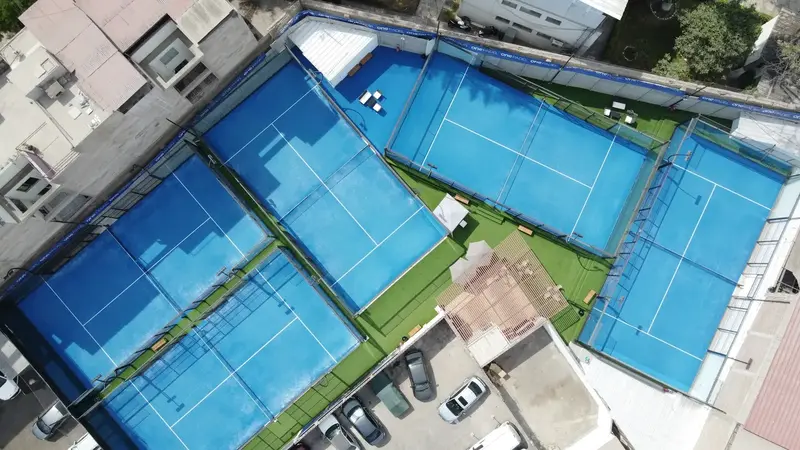
To open a padel club, test local demand, choose between an indoor unit and an outdoor site, secure planning consent and a lease…
What our clients say
“Simon was fast, kept us updated at all stages and was a real pleasure to work with on our asset finance. I highly recommend this company: excellent service all round.”
“Spoke with Simon, who managed to get me the loan I needed promptly. The whole process was very smooth and was completed within a few days.”
“Getting a business loan can feel like a bit of a minefield, but everything was broken down for me in great detail. Will use again in the future!”
“Simon was a pleasure to deal with and helped us find a business loan that matched our growth goals and future expansion plans.”
“I couldn’t source funding for my business, but the team got in touch within an hour and had it sorted within 24 hours. Fantastic service, and I would definitely use them again.”