

Healthcare practice acquisition finance for private clinics
Healthcare practice acquisition finance funds the purchase of an established private clinic, physiotherapy, aesthetics, private…
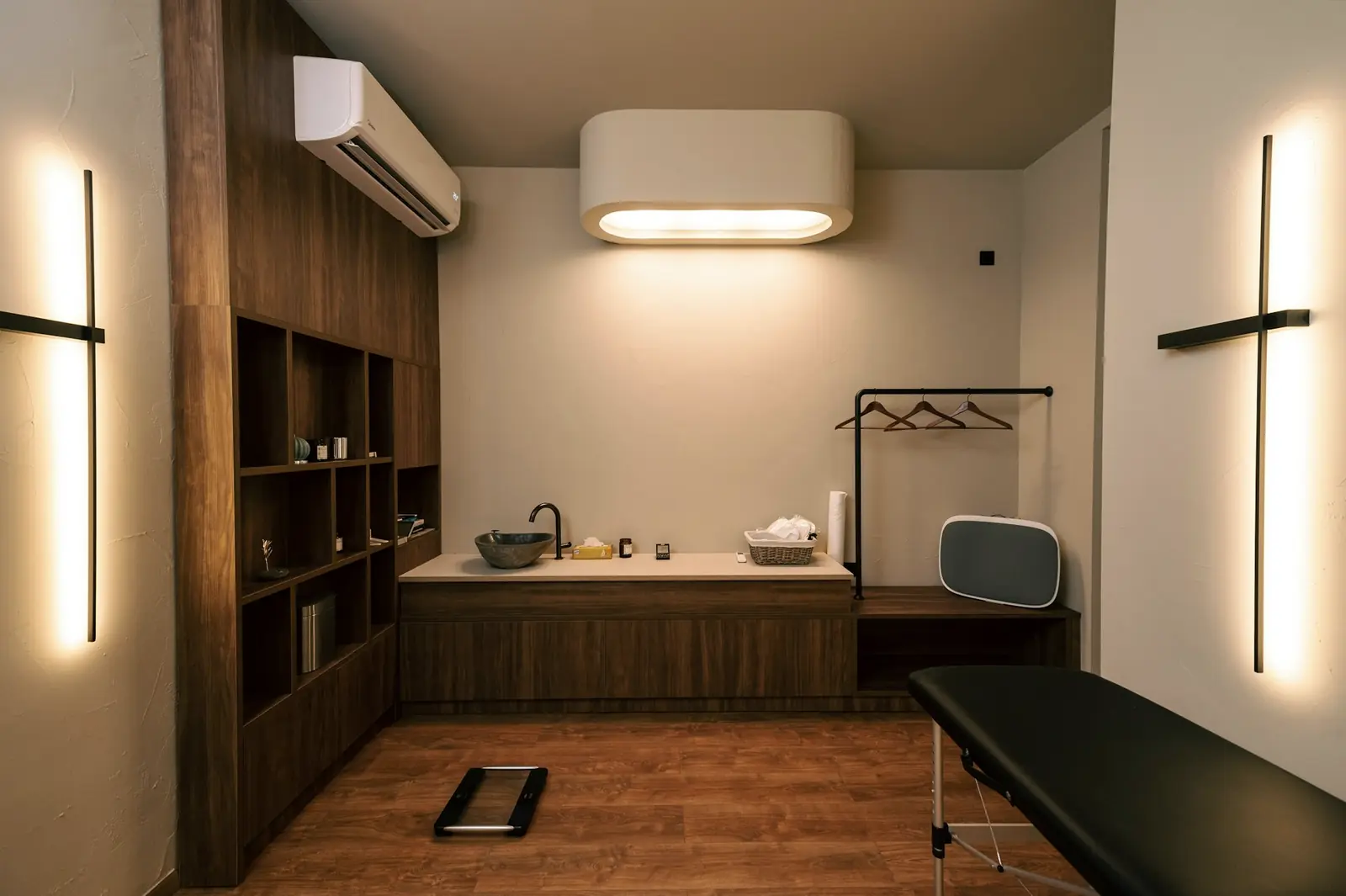
How private clinics fund a refit or extension: splitting equipment from building work, VAT on exempt services, lease issues and what lenders need to see.
Explore funding options Prefer a quick call back? Leave your number
“I highly recommend this company: excellent service all round.”
In short
What you need to know.
Most practices split the project: removable equipment and plant on asset finance, and building work, finishes and professional fees on an unsecured or secured term loan. Lenders focus on how the works will raise capacity or income, a costed contractor quote with contingency, the lease term remaining, and the fact that most clinics cannot reclaim VAT on the build.
About practice refurbishment finance
Specialist knowledge. Better outcomes.
This page is for private clinics and independent practices planning a refurbishment: adding treatment rooms, upgrading to clinical-grade finishes ahead of a CQC inspection, fitting a procedure room for minor surgery or laser work, reconfiguring a reception after a merger, or bringing an ageing building up to modern accessibility standards. Clinical refurbishment costs more per square metre than an office refit and has less resale value, so how it is funded matters. Smart Funding Solutions is a broker, not a lender: we search our panel of 300+ lenders and arrange facilities from £10,000 to £20 million. This page sits within our healthcare practice finance hub. Pharmacies planning a consultation room or dispensary refit should start from pharmacy finance, and dentists from dental practice loans.
Funding the whole project on one loan is simple, but usually not the cheapest or most flexible option. Separating the parts by what can be secured tends to work better.
Clinics that own equipment outright can sometimes raise part of the budget through asset refinancing rather than new borrowing. Clinics that own their building may borrow against it through a secured facility, often at a lower cost than unsecured lending, but with the property at risk. Our general page on fit-out and refurbishment finance covers the non-clinical side in more depth, and specialist clinical kit is covered on medical equipment finance.
A clinic refit is judged against infection prevention, privacy and access standards that an ordinary commercial fit-out never meets. The NHS England design guidance on flooring, walls, ceilings and sanitary ware (HBN 00-10) is written for NHS buildings but is widely used as the benchmark for private clinics too. In practice that means:
These items are what drive cost overruns. A contractor who normally fits out shops may price the job lower and then meet the standards late, so lenders favour quotes from firms with healthcare experience.
Medical care provided by registered health professionals is generally exempt from VAT, as HMRC's guidance on health professionals and VAT (Notice 701/57) explains. A clinic making only exempt supplies cannot reclaim the VAT charged by its builder, so a quote that looks affordable before VAT becomes a fifth higher in cash terms. Clinics that also make taxable supplies, such as purely cosmetic aesthetic treatments or retail products, may be able to recover part of the VAT under partial exemption. Ask your accountant for the recoverable proportion before you set the loan amount, and borrow against the gross figure where VAT is a real cost.
Most practices cannot afford to close. Phasing the job room by room, working evenings and weekends, or moving some clinicians to temporary rooms keeps income coming in but adds to the contractor's price and stretches the programme. Build the lost appointments into your cash flow forecast and consider a small standby facility so that a delay does not force you to cut clinical hours or delay paying staff. Our page on healthcare practice working capital covers facilities that suit this.
Illustration only, with round hypothetical figures and no rates. A private musculoskeletal and podiatry clinic is turning away bookings and plans to convert an unused storage area into two treatment rooms and a small procedure room. The budget is £150,000 including VAT, which the clinic cannot recover.
Separating the equipment keeps the unsecured loan smaller, and the lease extension means the term loan ends well before the lease does.
Some elements of a refit, such as certain plant, fixtures and integral features, may qualify for capital allowances, which reduce taxable profit; the general rules are set out in HMRC's guidance on claiming capital allowances. Tax relief does not make an unnecessary project worthwhile, though. Unsecured borrowing for fit-out usually needs personal guarantees, and a refit in premises with a short lease may leave you repaying for improvements you then have to remove. If the clinic's cash flow is already tight, a smaller first phase paid from reserves, or a landlord contribution in return for a longer lease, may be better than borrowing the full sum. If you are opening new premises rather than refitting existing ones, see clinic start-up finance.
extra rooms, longer opening hours, new services, or higher-value treatments that a procedure room allows. A refit that only replaces tired finishes is still fundable, but on the clinic's existing profit alone.
accounts, management figures and bank statements showing the clinic can carry the repayments even if the new capacity fills slowly.
contractor quotes, a programme, and a contingency. Lenders are wary of budgets with no allowance for surprises in older buildings.
enough unexpired term to outlast the loan, landlord's consent for alterations, and a clear view of dilapidations at the end of the lease, since you may have to strip out what you are paying to install.
where the refurbishment changes how a CQC-registered service is delivered, such as adding surgical procedures or a new floor, lenders may ask whether a registration change is needed.
How the main business finance structures work. Lenders set their own terms, so treat this as a guide to the questions to ask.
| Option | How you repay | Security | Often used for |
|---|---|---|---|
| Unsecured business loan | Fixed instalments, usually monthly | No charge over assets; a personal guarantee is usually required | Growth, stock, tax bills and cash flow |
| Secured business loan | Fixed instalments, often over a longer term | A charge over property or other assets | Larger sums, property and refinancing |
| Revolving credit facility | Interest on what you draw; repay and redraw | Varies by lender and case | Recurring or uneven cash flow gaps |
| Merchant cash advance | A share of future card takings | No charge over assets | Card-taking businesses with uneven months |
| Asset finance | Regular payments over the life of the asset | The asset being financed | Equipment, vehicles and machinery |
| Invoice finance | Settled as customers pay their invoices | Your unpaid invoices | Businesses waiting on customer payment |
General information only. Every lender has its own criteria, and all finance is subject to status.
We look at the full project, split it into the parts different lenders will fund on the best terms, and approach lenders that are comfortable with clinical fit-outs. We present the business case and the schedule of works together, and manage the process through to drawdown, including staged payments where the lender offers them. Lenders make the decision. It is free to enquire; any broker fee is disclosed separately before you proceed.
Yes. Most clinic refits are in leased buildings. Lenders will want to see the lease, the landlord's consent to the works and enough unexpired term to cover the loan. A lease extension agreed alongside the works often helps.
Some will, releasing funds against invoices or a surveyor's sign-off, which protects both sides on a larger project. Others advance the full amount on completion of the loan, in which case agree stage payments with your contractor and hold the balance yourself.
You can, but it is often better to keep equipment on separate asset finance. The equipment then secures its own agreement, and the unsecured loan for building work stays smaller and easier to place.
Routine redecoration usually does not require a registration change, but adding services, rooms at a new address or procedures outside your current regulated activities may. Check with CQC before the works start. If the refit is part of moving to premises you are buying, see healthcare premises finance.
An unsecured refurbishment loan can often be decided within a few working days in straightforward cases, once the lender has your accounts and a costed contractor quote. Delays usually come from elsewhere: landlord consent for works in leased premises, final specifications and any property security. Arranging funding before you commit to a contractor avoids gaps. See our guide to fit-out and refurbishment finance.
Healthcare practice acquisition finance funds the purchase of an established private clinic, physiotherapy, aesthetics, private…
Private clinic start-up finance usually comes from several sources at once, because few lenders will fund a clinic with no…
Healthcare premises finance helps a private clinic or practice buy, extend or refinance the building it trades from, usually…
Healthcare practice working capital covers the gap between paying clinicians, laboratories, stock and rent and being paid by…

How a vet practice is funded depends largely on its income mix. Companion animal clinics with steady card takings have the…
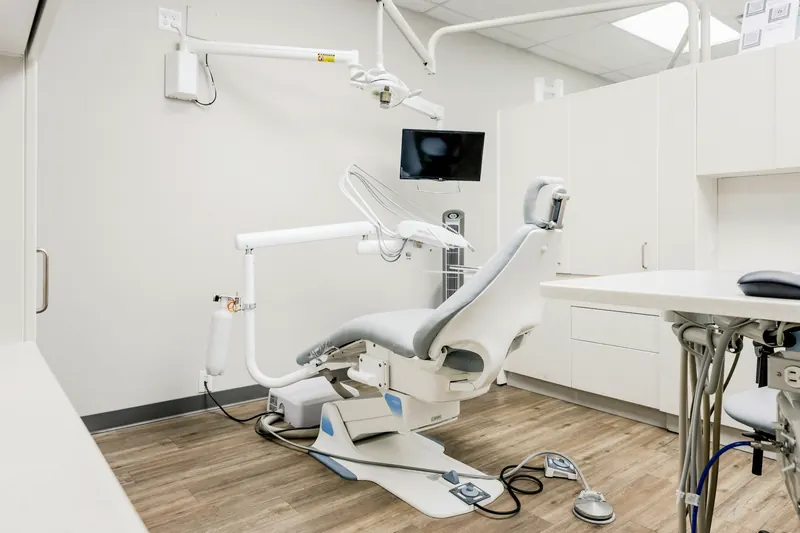
Dental surgery refurbishment finance funds the building works, services and equipment needed to refit surgeries, add a…
What our clients say
“Simon was fast, kept us updated at all stages and was a real pleasure to work with on our asset finance. I highly recommend this company: excellent service all round.”
“Spoke with Simon, who managed to get me the loan I needed promptly. The whole process was very smooth and was completed within a few days.”
“Getting a business loan can feel like a bit of a minefield, but everything was broken down for me in great detail. Will use again in the future!”
“Simon was a pleasure to deal with and helped us find a business loan that matched our growth goals and future expansion plans.”
“I couldn’t source funding for my business, but the team got in touch within an hour and had it sorted within 24 hours. Fantastic service, and I would definitely use them again.”