
Dental surgery refurbishment finance: funding refits, decontamination rooms and new surgeries
Dental surgery refurbishment finance funds the building works, services and equipment needed to refit surgeries, add a…
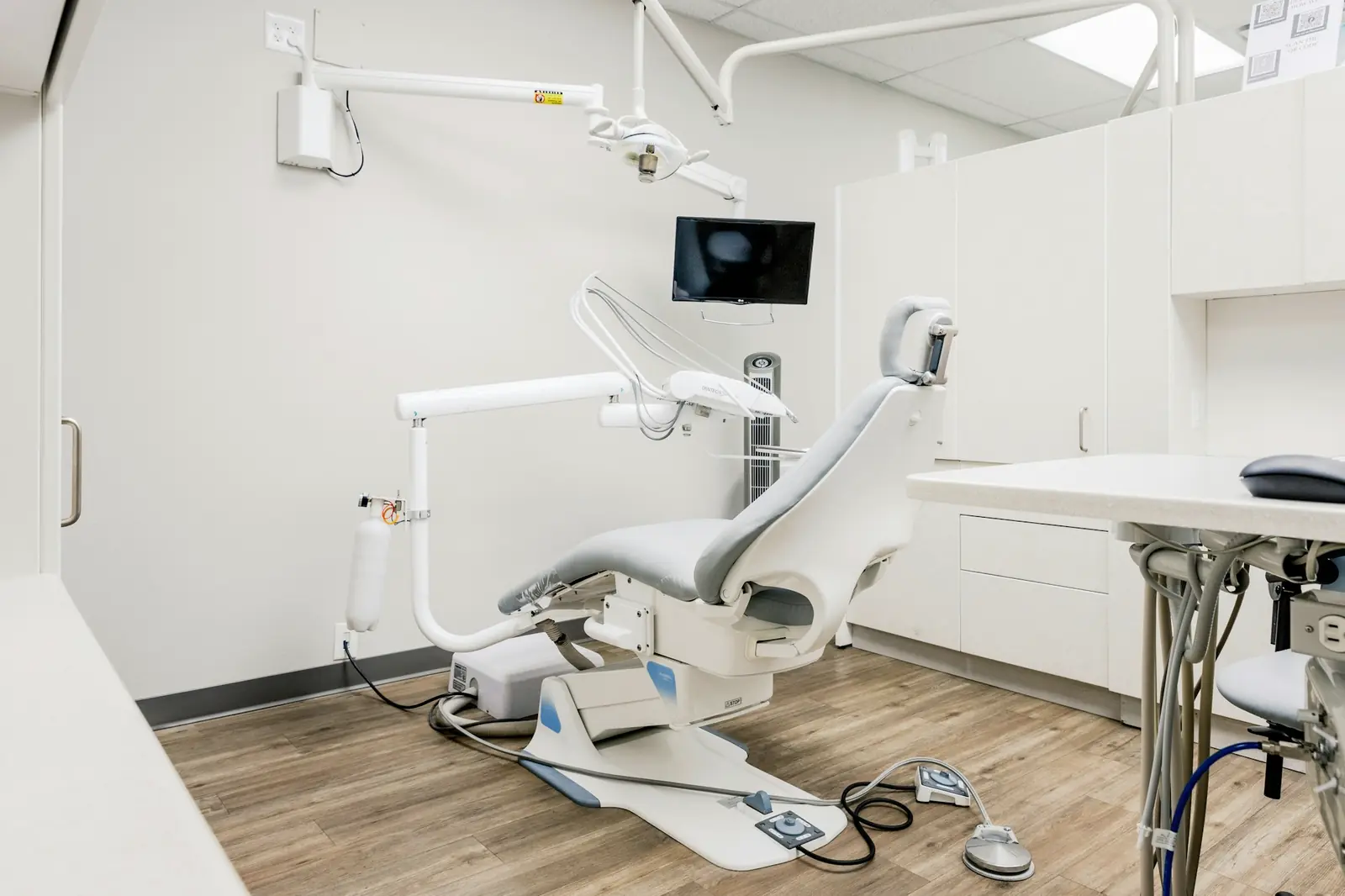
How dentists fund a squat practice: the real start-up costs, what lenders will fund, the timetable to opening and what makes a new practice fundable.
Explore funding options Prefer a quick call back? Leave your number
“A very quick and efficient service from Simon.”
In short
What you need to know.
With no trading record, lenders judge the dentist rather than the practice: clinical experience, personal credit, the size of your own contribution and a realistic plan for attracting private patients.
About squat dental practice finance
Specialist knowledge. Better outcomes.
It suits associates who cannot find the right practice to buy, principals opening a second site in a growing town, and clinicians building a private or specialist practice around their own reputation. The finance is harder to arrange than for a purchase, because there are no accounts to lend against, but the total cost is usually lower. Smart Funding Solutions is a broker, not a lender: we approach lenders on our panel of 300+ that will consider start-up practices and arrange facilities from £10,000 to £20 million. For every other kind of practice borrowing, see our dental practice loans hub.
Chairs, imaging and decontamination equipment are the easiest part of a squat to fund, because the equipment itself secures the agreement and has a resale market. Putting it on asset finance keeps the rest of your borrowing smaller. Our guide to dental equipment finance explains how VAT falls under each option for an exempt practice, and used equipment finance covers refurbished chairs, which can reduce the start-up bill.
Building works have little resale value, so lenders fund them against your personal strength and a guarantee rather than the asset. Fit-out and refurbishment finance and start-up business loans are the usual routes. Some lenders will only fund works once the practice has traded for a period, which is why your own contribution often goes here.
The government-backed Start Up Loans programme lends personally to founders of new businesses, up to £25,000 each, with mentoring. It will not fund a whole practice, but it can form part of the deposit alongside savings. It is a personal loan, so it counts against your affordability with other lenders.
A landlord keen to let a vacant unit may offer a rent-free period or a contribution towards the fit-out in return for a longer lease. This is cheap money, but it ties you to the building, so make sure the break clauses and term suit a practice you expect to grow.
An overdraft or small revolving facility for the early months is harder to arrange before trading starts. Where it cannot be arranged, the buffer has to come from your own funds, which is one reason lenders want to see savings left over after the deposit.
Doctors setting up or joining a surgery can see GP practice loans.
Buying an established practice means paying for goodwill, often the largest part of the price. A squat avoids that, lets you design the surgeries and workflow you want, and gives you a brand and patient base that is entirely your own. The trade-off is time and risk: a new practice has to find its patients one by one, and costs start months before income does.
There is also the NHS question. In England, NHS dental contracts are commissioned by integrated care boards and new contracts are generally awarded through a procurement process, so a squat cannot count on NHS income. Most squats open as private practices, often with a membership plan, and some later bid for NHS work if it is offered locally. That makes the practice's early income entirely dependent on attracting private patients, which is exactly what lenders probe.
The last item is the one most squat plans underestimate, and the one that causes most start-up practices real stress.
Delays to CQC registration or the fit-out push back opening while costs continue, so build a contingency into the timetable as well as the budget.
Illustration only, with round hypothetical figures. A dentist with ten years' experience and an established following for cosmetic work leases a ground-floor unit on a busy road. The budget is £350,000: £160,000 of fit-out, £130,000 of equipment, £20,000 for software, signage and launch marketing, and a £40,000 reserve for the first months. The landlord gives a rent-free period in return for a fifteen-year lease with a break at ten. The equipment goes on hire purchase. The dentist puts £90,000 of savings towards the works and the reserve, and a term loan funds the balance of the fit-out. Only two of the three surgeries are equipped at first, with plumbing and services run to the third so it can be fitted once demand is proven. The dentist keeps two days a week as an associate for the first year.
The biggest risk is a slow ramp-up: patient numbers that take twice as long to arrive as planned, while loan repayments, rent and wages are fixed. Personal guarantees are normal for start-up lending, so if the practice fails, you remain liable; read our guide to personal guarantees first. Overbuilding is the other common mistake: fitting four surgeries on day one when two would do.
A squat is not the only way into ownership. Buying a small established practice costs more upfront but brings income from the first day, and lenders find it easier to fund; compare the two using our dental practice acquisition finance page. Buying into an existing practice as a partner or shareholder is a third route. Many squats begin as sole traders: borrowing of £25,000 or less by sole traders and small partnerships can be regulated consumer credit, which brings additional protections, and our page on sole trader loans explains more.
Years qualified, the kind of treatment you provide and whether you can show a following of private patients or referrers.
A meaningful contribution, evidenced as your own, with a reserve beyond it.
With no business history, your personal credit file and household commitments carry more weight than in a purchase.
How many new patients a month you expect, how many will join a plan, the treatment mix and the evidence behind those numbers: local demographics, competitors, waiting lists for NHS care nearby.
Many squat owners keep associate sessions elsewhere during the first year. Lenders like this because it reduces the risk that you depend on the practice for living costs while it is still loss-making.
A principal opening a second site as a squat is a very different credit, because the first practice's profits can support the borrowing.
Our guide to writing a business plan for funding explains how lenders read projections.
How the main business finance structures work. Lenders set their own terms, so treat this as a guide to the questions to ask.
| Option | How you repay | Security | Often used for |
|---|---|---|---|
| Unsecured business loan | Fixed instalments, usually monthly | No charge over assets; a personal guarantee is usually required | Growth, stock, tax bills and cash flow |
| Secured business loan | Fixed instalments, often over a longer term | A charge over property or other assets | Larger sums, property and refinancing |
| Revolving credit facility | Interest on what you draw; repay and redraw | Varies by lender and case | Recurring or uneven cash flow gaps |
| Merchant cash advance | A share of future card takings | No charge over assets | Card-taking businesses with uneven months |
| Asset finance | Regular payments over the life of the asset | The asset being financed | Equipment, vehicles and machinery |
| Invoice finance | Settled as customers pay their invoices | Your unpaid invoices | Businesses waiting on customer payment |
General information only. Every lender has its own criteria, and all finance is subject to status.
We look at your plan, your budget and your personal position, then separate the equipment from the works and the working capital so each goes to lenders with the right appetite. Some lenders on our panel will consider start-up practices led by experienced dentists; others will only fund the hard assets. We present the case with your clinical record and patient plan at the front, compare the offers with you and keep drawdowns in step with the fit-out. Lenders make the final decision. It is free to enquire; any broker fee is disclosed separately before you proceed. For equipment outside the surgery, see our business equipment financing page.
Not automatically. In England, integrated care boards commission NHS dental services and new contracts are usually awarded through procurement when a board decides it needs more capacity in an area. Plan your finances on private income, and treat any NHS contract as an upside rather than an assumption.
It varies with location, the owner's existing patient following and how much is spent on launch marketing. Lenders expect your projections to show a realistic ramp-up rather than a full appointment book in the first few months, and they want to see enough of your own reserve to survive if patient numbers build more slowly than planned.
Much easier. A second site opened by a principal with a profitable first practice can be supported by that practice's accounts and cash flow, and some lenders will fund the works as well as the equipment. The main question becomes whether the existing practice can carry the new site's early losses.
Almost always, yes. A squat has no trading accounts or goodwill for a lender to rely on, so lenders usually ask the dentist to guarantee the borrowing personally, even when the practice trades through a limited company. Some may also ask for a charge over property or other assets for larger sums. Read the guarantee terms carefully and consider whether personal guarantee insurance is worth having.
There is no fixed figure, because lenders set their own criteria, but they generally expect a meaningful personal contribution to show commitment and to cover costs they will not fund. The amount depends on your experience, the business plan, the fit-out budget and how much of the cost goes on equipment finance, which is secured on the chairs and imaging. See our page on dental equipment finance.
Dental surgery refurbishment finance funds the building works, services and equipment needed to refit surgeries, add a…

Dental practice working capital is short or medium term finance that covers timing gaps in a practice's cash, such as NHS…
Selling a dental practice means agreeing a price for goodwill, which buyers and their lenders base on profit after replacing…
Most dental practices are financed in layers rather than with one loan: a long-term loan for goodwill when buying, a commercial…
Dental practice acquisition finance funds the purchase of an existing practice, mostly its goodwill. Buyers typically combine…
Dental practice premises finance is usually an owner-occupier commercial mortgage used to buy the building a practice trades…
What our clients say
“Simon was fast, kept us updated at all stages and was a real pleasure to work with on our asset finance. I highly recommend this company: excellent service all round.”
“Spoke with Simon, who managed to get me the loan I needed promptly. The whole process was very smooth and was completed within a few days.”
“Getting a business loan can feel like a bit of a minefield, but everything was broken down for me in great detail. Will use again in the future!”
“Simon was a pleasure to deal with and helped us find a business loan that matched our growth goals and future expansion plans.”
“I couldn’t source funding for my business, but the team got in touch within an hour and had it sorted within 24 hours. Fantastic service, and I would definitely use them again.”