
Dental practice acquisition finance for buyers and groups
Dental practice acquisition finance funds the purchase of an existing practice, mostly its goodwill. Buyers typically combine…

How UK dentists fund a purchase, squat, new surgery, premises or partner exit: which finance fits each cost, how lenders size loans and what to prepare.
This guide is for dentists planning how to pay for the big moments in a career of practice ownership: a first purchase, a squat, a new surgery, the building, a partner leaving, and eventually a sale. It explains how each cost is usually financed, how lenders do the arithmetic, and where dentists most often lose money through the wrong structure. Smart Funding Solutions is a broker, not a lender: we search our panel of 300+ lenders and arrange facilities from £10,000 to £20 million. For an overview of every product dentists use, see our dental practice loans hub.
The single most useful rule in dental finance is that the term and type of borrowing should follow the life of the thing it pays for. Goodwill earns for many years, so it suits a long loan. A scanner may be out of date in five, so it should be paid off in five. Wages and lab bills recur every month, so they belong in a facility you can draw and repay. Put a short-lived cost on a long loan and you are still paying for it after it has gone; put a long-lived cost on a short loan and the repayments squeeze the practice for no reason.
| What you are paying for | Finance that usually fits | What secures it |
|---|---|---|
| Goodwill when buying a practice | Term loan, often over a longer term than ordinary business loans | Debenture over the practice and personal guarantees |
| The freehold | Owner-occupier commercial mortgage | A legal charge over the building |
| Chairs, OPG, CBCT, scanners, autoclaves | Hire purchase or leasing | The equipment itself |
| Building works, cabinetry, software | Unsecured term loan or fit-out finance | Usually a personal guarantee |
| Wages, lab bills and materials between receipts | Overdraft or revolving credit | Usually a guarantee or debenture |
| A corporation tax or self-assessment bill | Short tax loan, or HMRC Time to Pay | Usually a personal guarantee |
Most real transactions combine several rows. A purchase of a leasehold practice with two tired surgeries, for example, might use a goodwill loan, a separate hire purchase agreement for the replacement chairs and a small working capital line for the first few months of ownership.
Lenders like dentistry because the income is recurring, but they read each income stream differently.
The cost side matters just as much. Associate pay, usually a share of the fees each associate generates, lab bills and nurse wages absorb most of a practice's turnover. Two practices with identical fee income can support very different levels of debt if one pays its associates a noticeably higher share.
GP partnerships read NHS income in a similar way; see GP practice loans.
The largest and most complex borrowing most dentists ever take on. The price is mainly goodwill, lenders adjust profit for the seller's departure, and CQC registration and NHS contract confirmation set the completion timetable. Our guide to dental practice acquisition finance covers deposits, valuations and deal structure in detail.
A squat costs less than buying goodwill but carries no trading record, and in England a new practice cannot assume it will receive an NHS contract, so most squats are private from day one. See squat practice finance for how lenders approach a start-up.
Adding a surgery, bringing in CBCT to support implant work or replacing a decontamination room. Hard assets are usually easiest to fund; building works are harder. Our page on dental equipment finance explains why VAT matters so much for an exempt practice.
Often triggered by a landlord offering to sell or a lease nearing its end. Who owns the building (the practice company, the principal personally or a pension scheme) has lasting tax and exit consequences, covered in dental practice premises finance.
A partner retiring, a shareholder leaving or the whole practice being sold. Continuing owners often need to borrow to pay out a colleague; see dental partner buyout finance. Sellers should read how to sell a dental practice, because how a buyer is funded affects the price and timing they can offer.
The mechanics are similar across most lenders on our panel, even though each applies its own thresholds.
Because goodwill has a long earning life, lenders who specialise in healthcare often allow it to be repaid over longer terms than a general business loan, while owner-occupier commercial mortgages commonly run for up to 20 or 25 years. Both depend on the lender and the case. Longer terms lower the monthly payment but increase the total interest paid.
Illustration only, with round hypothetical figures. An associate buys a three-surgery mixed practice for £450,000, leasehold, putting in £70,000 of savings. A term loan funds most of the goodwill and the seller agrees to defer a small part of the price. In year three, a fourth surgery is added: £80,000 of equipment goes on hire purchase and £40,000 of building work on an unsecured loan. In year five the landlord offers the freehold for £300,000, funded with a commercial mortgage and the owner's retained profits as the deposit. In year eight, with the goodwill loan well paid down and profits higher, the owner refinances the remaining balance onto better terms. In year ten, an associate buys a share of the company, part-funded by their own buy-in loan.
At no point did the practice use one loan for everything, and at every stage the question the lender asked was the same: after paying a fair wage for the clinical work, does the practice comfortably cover every repayment?
£92,000A transaction we arrangedNew clinical equipment without emptying the practice’s cash reserves.An established practice financed scanners, chairs and technology so its cash could go on the wider refurbishment.Most dental borrowing is backed by more than the practice itself. Lenders funding goodwill usually take a debenture over a practice company and personal guarantees from the owners, and sometimes a charge over other property. Read our explanation of personal guarantees before signing one, and understand whether it is capped and when it falls away.
Structure also changes who borrows. A limited company borrows in its own name and repays from company profit; a sole trader or partnership borrows personally. Many principals incorporate after buying, which can mean transferring the practice and its borrowing into a new company, with consent from the lender and, where the practice holds an NHS contract, the commissioner. Borrowing of £25,000 or less by sole traders and small partnerships can be regulated consumer credit, which brings additional protections.
Dental lenders differ more than most dentists expect: some are comfortable with NHS-heavy practices, others prefer plan income, and a few will look at first-time buyers or squats. We model the adjusted profit a lender will use, split the requirement into the right layers, and approach the lenders on our panel whose appetite matches, then compare the offers with you. Lenders make the final decision. It is free to enquire; any broker fee is disclosed separately before you proceed. For deal structures beyond dentistry, see our general acquisition finance guide, and for kit outside the surgery, business equipment financing.
This guide is general information, not financial advice. Lenders set their own criteria, rates and terms, and all finance is subject to status.
Not ready for the full application? Leave a few details and a broker will call you to talk it through. It is free, with no obligation.
There is no fixed figure. Lenders fund part of the independent valuation of goodwill and expect the buyer to put in the rest, plus fees and costs. First-time buyers, mainly private practices and practices dependent on the seller usually need a larger contribution than an experienced principal buying a practice with strong NHS delivery. Seller deferral can reduce the cash you need upfront.
Yes, many first purchases are made by associates. Lenders compensate for the lack of management history by looking harder at clinical experience, personal credit, the deposit, a realistic business plan and whether the seller will stay on for a handover period. Using a practice manager or buying a practice with an established team also helps.
Interest on borrowing used wholly for the business is generally an allowable expense for a trading business, and in some cases interest on a personal loan used to buy into a partnership can qualify for relief. The capital repayments are not deductible. The position depends on your structure, so confirm it with your accountant; our guide on whether business loans are tax deductible sets out the basics.
They can. Lenders price the risk that contract terms change nationally, which is one reason some prefer practices with a mix of NHS and private or plan income. A practice that consistently delivers its contract and has a plan for a change in NHS funding is easier to finance than one wholly reliant on the contract.
It can be possible to finance a dental practice with a poor credit history, but fewer lenders will consider it and terms are usually less favourable. Lenders look at what caused the problem, how long ago it was and whether it has been settled, alongside the practice's income and your clinical track record. A clear written explanation and an up-to-date credit file help. Our dental practice loans hub covers the lending options.
Dental practice acquisition finance funds the purchase of an existing practice, mostly its goodwill. Buyers typically combine…
Selling a dental practice means agreeing a price for goodwill, which buyers and their lenders base on profit after replacing…
Dental practice refinance replaces an existing acquisition loan, commercial mortgage or collection of short-term facilities…
Dental practice premises finance is usually an owner-occupier commercial mortgage used to buy the building a practice trades…
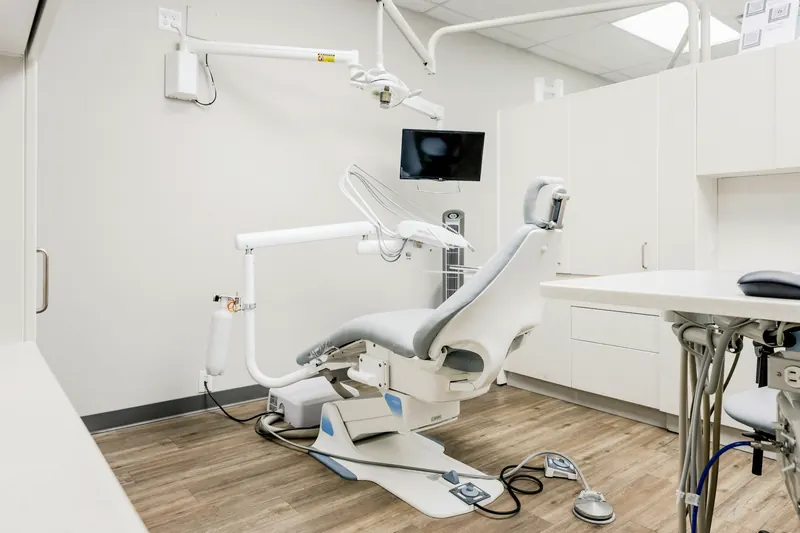
A squat dental practice is usually funded in layers: hire purchase or leasing for chairs, imaging and decontamination…
Dental practice working capital is short or medium term finance that covers timing gaps in a practice's cash, such as NHS…
Our clients say
Trusted by UK businesses across every sector.
“Simon was fast, kept us updated at all stages and was a real pleasure to work with on our asset finance. I highly recommend this company: excellent service all round.”
“Spoke with Simon, who managed to get me the loan I needed promptly. The whole process was very smooth and was completed within a few days.”
“Getting a business loan can feel like a bit of a minefield, but everything was broken down for me in great detail. Will use again in the future!”
“Simon was a pleasure to deal with and helped us find a business loan that matched our growth goals and future expansion plans.”
“I couldn’t source funding for my business, but the team got in touch within an hour and had it sorted within 24 hours. Fantastic service, and I would definitely use them again.”
A short conversation is often enough to know which lenders will look at your case and how to present it. There is no obligation, and it is free to enquire.