
Laser cutting machine finance for fabricators and manufacturers
Laser cutting machine finance spreads the cost of fibre, CO2 and tube lasers, press brakes and automated sheet-metal cells over…
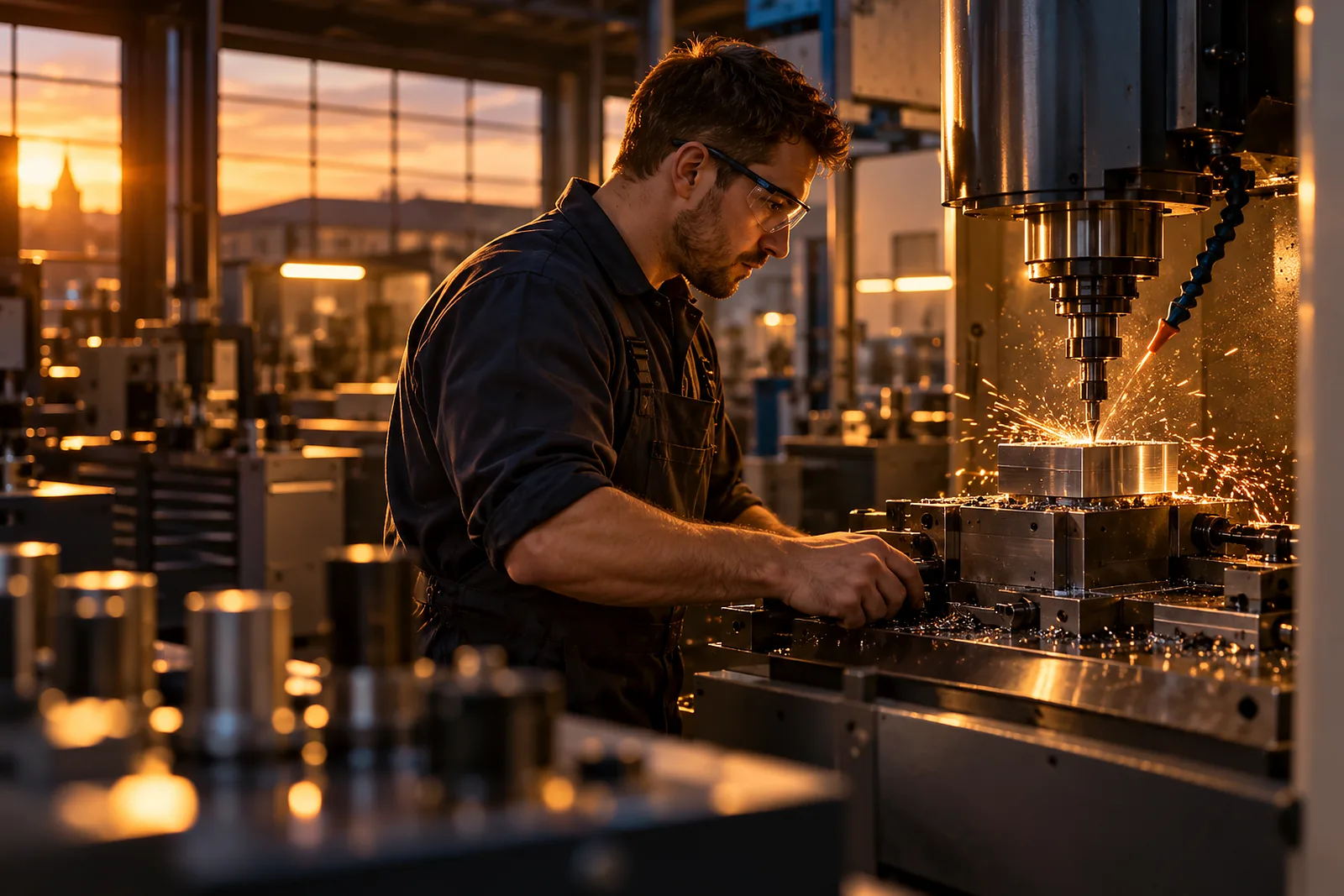
How to finance a CNC mill, lathe or laser cutter: hire purchase vs leasing, hidden costs such as VAT and installation, what lenders check and how to apply.
CNC machine finance lets a manufacturer spread the cost of a CNC mill, lathe, router, laser cutter or machining centre over monthly payments instead of paying the full price upfront. The most common routes are hire purchase, where you own the machine at the end, and leasing, where you pay to use it. The machine itself usually acts as security.
This guide is for engineering firms, fabricators and subcontract machine shops weighing up a new or used CNC purchase. It covers the CNC-specific points that affect cost and approval; our machinery finance page explains asset finance for production equipment more generally. Smart Funding Solutions is a broker: we approach lenders on our panel that understand engineering assets and help you compare what they offer.
For fibre lasers, press brakes and sheet-metal cells, see laser cutting machine finance.
CNC equipment is specialist, so lenders that understand engineering and fabrication assets tend to offer a better fit than general lenders.
The right structure depends on how long you will use the machine and whether you want to own it.
| Feature | Hire purchase | Lease finance |
|---|---|---|
| Main aim | Own the machine at the end of the term | Use the machine with more flexibility |
| Monthly payments | Often higher | Often lower |
| End of term | Ownership once all payments and any option fee are made | Return, extend, upgrade or sometimes buy |
| Best fit | Long-term use of a core machine | Cash flow focus or regular technology refresh |
You pay an initial deposit, then fixed monthly instalments. Ownership passes to you once the final payment is made. Hire purchase suits machines you expect to run for many years and that will hold their value.
The lender owns the machine and you pay to use it for an agreed period. Payments are often lower because you are not paying off the full value. Leasing suits businesses that want to upgrade as technology moves on or that prioritise monthly cash flow.
If you already own CNC machinery outright, asset refinancing can release cash tied up in it, which you can use as working capital or towards further equipment.
Hire purchase and leasing are treated differently for tax and accounting purposes. With hire purchase, the business is usually treated as the owner for capital allowances. With leasing, rental payments are generally treated as a business expense. The value of any tax benefit depends on your business structure, profits and the timing of the purchase.
Speak to your accountant before you sign so the structure fits your year-end and tax planning. Current guidance on capital allowances is available on GOV.UK.
Lenders weigh the business and the asset together. Typical checks include:
Stronger profiles generally see a wider choice of lenders and more competitive terms. Weaker cases may still be considered, for example with a larger deposit or a different structure.
Newer businesses are not automatically excluded. Lenders will look closely at the directors' experience, affordability and the quality of the machine, and may ask for a larger deposit or additional security. A clear proposal showing how the machine will generate income, backed by orders or contracts where possible, strengthens the case. Our start-up business loans page covers other options for new firms.
£185,000A transaction we arrangedThe machine could increase capacity. Paying £185K in cash would have reduced it.An engineering firm wanted a new CNC machine without draining working capital. We arranged asset finance against the machine.Terms, rates and deposits vary by lender and depend on credit quality, time trading, asset type and the length of agreement. Typical choices include:
A longer term lowers monthly payments but usually increases the total cost. A shorter term costs more each month but finishes sooner. Choose a structure that fits your order pipeline and how quickly the machine will contribute to income.
The quoted machine price is rarely the full cost of getting a CNC machine into production. Check these points before you commit:
Straightforward cases with a clean document pack move fastest. Decisions can come within a few working days once a lender has everything it needs; larger or more complex deals take longer.
This guide is general information, not financial advice. Lenders set their own criteria, rates and terms, and all finance is subject to status.
Not ready for the full application? Leave a few details and a broker will call you to talk it through. It is free, with no obligation.
Yes. Many lenders will fund used CNC machinery, often through hire purchase. They will consider the machine's age, condition, make and resale value, and whether it is bought from a dealer or privately. Older machines or private sales may mean a shorter term or a larger deposit.
Sometimes, yes. Because the CNC machine secures the agreement, some lenders will consider weaker credit profiles, especially for well-known, in-demand machines with a strong resale value. Expect a larger deposit, higher pricing or a different structure, and be ready to explain past problems. Older or very specialist machines are harder to fund in these cases. Our guide to bad credit asset finance explains what lenders look for.
CNC machine finance can be arranged within a few working days in straightforward cases, once the lender has the supplier quote, recent bank statements and business and director details. Used machines, private sales or larger and more specialist systems can take longer, as the lender may want more information on the asset's age, condition and value. Having the full quote, including tooling and installation, ready at the start avoids delays.
It can be. CNC machine finance of £25,000 or less to a sole trader or a small partnership of two or three partners can be regulated consumer credit, which brings formal affordability checks and extra statutory protections. Larger agreements, and those with limited companies, follow different rules. The lender will confirm which applies before you sign, and we go through the terms with you when comparing offers.
Yes, some lenders will fund more than one CNC machine under a single agreement or facility when you are adding capacity for a larger contract or extra shifts. Approval still depends on affordability across all the machines, your existing finance commitments and the value of each asset. Evidence of the contract or orders behind the investment strengthens the case. Our page on engineering business finance covers wider funding for machine shops.
Laser cutting machine finance spreads the cost of fibre, CO2 and tube lasers, press brakes and automated sheet-metal cells over…

Coffee machine finance spreads the cost of a commercial bean-to-cup or traditional espresso machine, grinders and water…

Commercial refrigeration finance spreads the cost of cold rooms, blast chillers, display chillers, refrigerated counters and…
The right way to fund a 3D printer depends mostly on how long it will stay commercially useful. Hire purchase suits a system…
The main decision in asset finance is whether you want to own the equipment. Hire purchase ends in ownership, a finance or…
Cherry picker finance spreads the cost of a mobile elevating work platform, such as a van-mounted boom, self-propelled boom,…
Our clients say
Trusted by UK businesses across every sector.
“Simon was fast, kept us updated at all stages and was a real pleasure to work with on our asset finance. I highly recommend this company: excellent service all round.”
“Spoke with Simon, who managed to get me the loan I needed promptly. The whole process was very smooth and was completed within a few days.”
“Getting a business loan can feel like a bit of a minefield, but everything was broken down for me in great detail. Will use again in the future!”
“Simon was a pleasure to deal with and helped us find a business loan that matched our growth goals and future expansion plans.”
“I couldn’t source funding for my business, but the team got in touch within an hour and had it sorted within 24 hours. Fantastic service, and I would definitely use them again.”
A short conversation is often enough to know which lenders will look at your case and how to present it. There is no obligation, and it is free to enquire.