
Operating lease: use the asset, leave the residual risk with the lessor
An operating lease is a rental agreement in which a business pays to use an asset for part of its working life and then returns…
Defaults, CCJs or a thin credit file? How lenders weigh adverse credit for equipment and vehicle finance, what helps an application and the risks to watch.
Bad credit asset finance is funding to buy or lease equipment, vehicles or machinery where the asset itself acts as security for the lending. This guide is for business owners and directors with defaults, CCJs, missed payments or a thin credit file who need an asset to trade and are worried they will be turned down. Because a lender can recover the asset if repayments stop, some will look past a weaker history if the rest of the application stands up. Smart Funding Solutions knows which lenders on its panel take that approach and can approach them for you.
For how asset finance works in general, including hire purchase and leasing, see our asset finance hub.
Not all adverse credit is treated alike. As a general guide:
| Credit issue | How lenders tend to see it |
|---|---|
| Late or missed payments, now up to date | Often acceptable with an explanation and stable recent bank statements |
| Satisfied CCJs or settled defaults | Considered by many specialist lenders, especially if older and explained |
| Unsatisfied CCJs or recent defaults | Harder; some lenders will want them cleared or a larger deposit |
| Thin file or new company | Lenders lean on the directors' personal credit and experience |
| Past insolvency, IVA or bankruptcy | Fewer options; time since discharge and current trading matter most |
Our guide to getting a business loan with a CCJ goes into judgments in more depth.
Asset finance is often one of the more realistic routes where a director has an insolvency history. Our guide to raising finance when a director is in an IVA covers what lenders ask about the arrangement and what the supervisor may need to approve.
Credit checks still take place, and every lender makes its own decision.
Most business assets with a reliable resale value can be financed, including vans and commercial vehicles, construction plant, manufacturing machinery, agricultural equipment and catering equipment. Hard assets that hold their value are much easier to fund with weak credit than soft assets such as software or fit-outs. If you already own equipment, asset refinance may raise cash against it.
Sector guides: bus and coach finance and motor trade finance.
Our guide to improving your business credit score has more on the first step.
Depending on your situation, invoice finance, a merchant cash advance or a secured loan may fit better. Our page on bad credit business loans compares them.
Vans, commercial vehicles and mainstream machinery are usually the easiest assets to finance with bad credit, because they hold their value and are easy for a lender to resell. How a lender treats your application still depends on the type of asset and on whether you borrow as a limited company or as a sole trader.
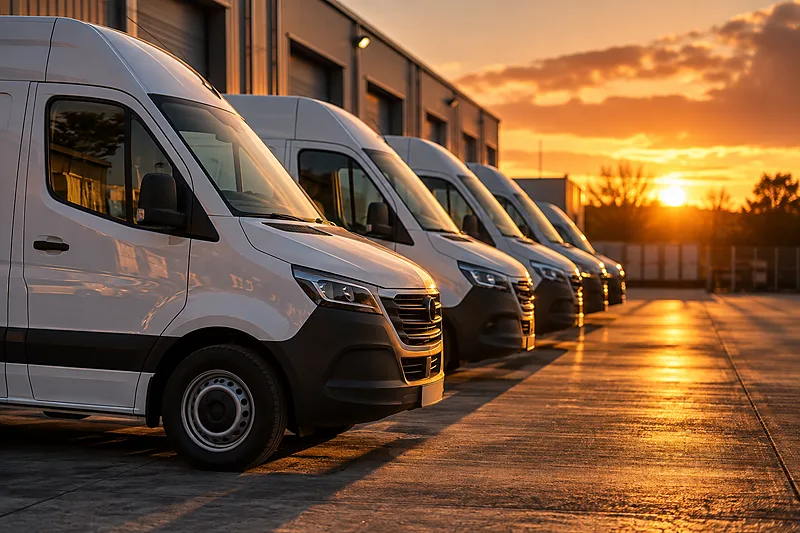
Panel vans, pickups and light commercials are widely financed by lenders that consider adverse credit, often on hire purchase. Lenders look at the vehicle's age and mileage, your deposit and recent bank statements. See van finance for the options.
Lenders weigh your licence, your platform or circuit income and the vehicle's suitability for licensing. Our taxi finance page covers this in more detail.
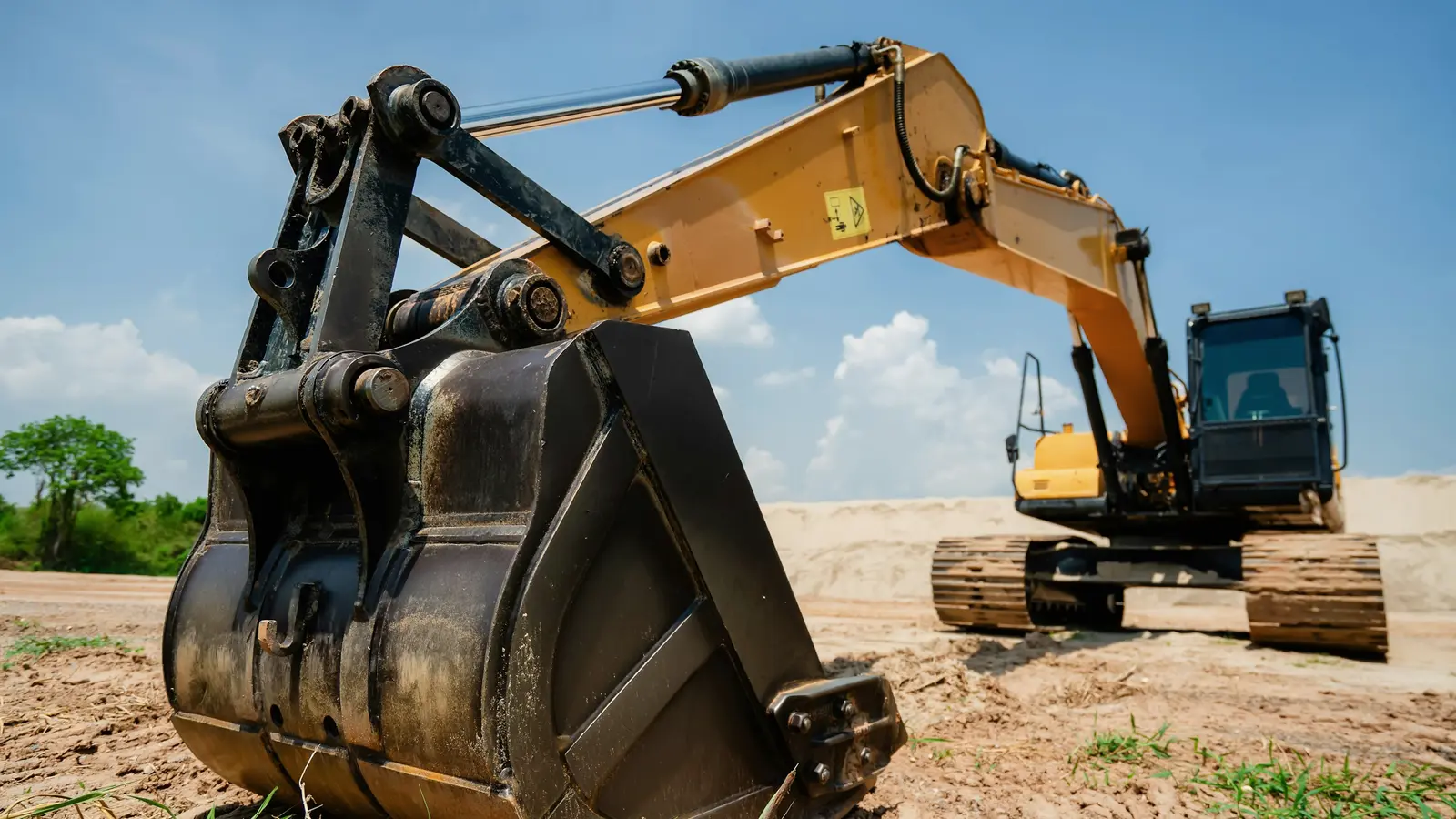
Excavators, telehandlers, forklifts and production machinery from recognised makes are often fundable, even used, if the lender can value them. Older or bespoke machines are harder, and a larger deposit may be needed.
| Borrower | What changes |
|---|---|
| Sole trader or small partnership | Your personal credit file is the main record. Finance of £25,000 or less can be regulated consumer credit, which brings extra checks and protections. |
| Limited company | The company's file is checked, but directors' personal credit and a personal guarantee usually matter too. |
Whichever you are, a recent, settled credit problem with a clear explanation is treated far better than one that is ongoing. We approach lenders on our panel that consider weaker profiles, so the asset is matched to a lender that funds it.
This guide is general information, not financial advice. Lenders set their own criteria, rates and terms, and all finance is subject to status.
Not ready for the full application? Leave a few details and a broker will call you to talk it through. It is free, with no obligation.
The lender can repossess the asset. If it sells for less than you owe, you may still be liable for the shortfall, and missed payments will be recorded on your credit file. If you are struggling, contact the lender early, as it may be able to agree a temporary arrangement.
Yes, some specialist lenders will consider bad credit asset finance with a County Court Judgment, particularly if it is satisfied, older and explained. Unsatisfied or recent CCJs are harder, and lenders may want them cleared first or ask for a larger deposit. The asset's resale value, your current bank statements and a clear explanation of what happened carry a lot of weight. Our guide to getting a business loan with a CCJ covers judgments in more depth.
The deposit for bad credit asset finance depends on the lender, the asset and how serious the credit problems are, so there is no single figure. A larger deposit reduces the amount the lender has at risk and can make the difference between a decline and an offer. Assets that hold their value, such as vans and mainstream plant, usually need less upfront than older or niche equipment that lenders find hard to resell.
Yes, but lenders will lean heavily on the directors' personal credit history and experience in the sector, because the company has no record of its own. A personal guarantee is common, and a deposit may be required. Choosing a well-known asset with good resale value from a reputable supplier improves the chances. See start-up business loans for other funding routes for new companies.
Some lenders may use a soft search at the early stage to give an indication, which does not show to other lenders, but a full credit search is usually carried out when you formally apply. With weaker credit, avoiding several full searches in a short space of time matters, because multiple applications can make lenders more cautious. Approaching only lenders likely to consider your profile helps keep your credit file cleaner.
Often, yes. Vans hold their value well, so lenders that consider adverse credit are more comfortable funding them than many other assets. Expect them to look at the van's age and mileage, your deposit, recent bank statements and the reasons for past credit problems. Costs are usually higher than for a clean credit profile, and a personal guarantee may be required.
Yes, some lenders will consider sole traders with adverse credit, although your personal credit file carries more weight because there is no separate company record. Finance of £25,000 or less to sole traders and small partnerships can be regulated consumer credit, which adds affordability checks. A stable income, a sensible deposit and an asset that holds its value all improve your chances.
Often, yes. Lenders are more comfortable with recognised makes and models that hold their value, including used machines, because the asset itself secures the deal. Older, specialist or bespoke machines are harder to resell, so expect a larger deposit or fewer options. Recent bank statements showing the repayments are affordable help as much as the credit history.
An operating lease is a rental agreement in which a business pays to use an asset for part of its working life and then returns…

How much you can raise depends mainly on what the asset would sell for today, not what you paid for it. Vans, HGVs, plant and…

Business hire purchase is a way to buy a vehicle, machine or piece of equipment over time. A lender buys the asset, you pay a…

Used equipment finance funds second-hand machinery, plant, vehicles and specialist kit through hire purchase, leasing or a…
A finance lease is a form of equipment leasing in which a lender buys an asset and rents it to your business for most of its…

IT equipment finance spreads the cost of laptops, desktops, servers, networking and phone systems over monthly payments,…
Our clients say
Trusted by UK businesses across every sector.
“Simon was fast, kept us updated at all stages and was a real pleasure to work with on our asset finance. I highly recommend this company: excellent service all round.”
“Spoke with Simon, who managed to get me the loan I needed promptly. The whole process was very smooth and was completed within a few days.”
“Getting a business loan can feel like a bit of a minefield, but everything was broken down for me in great detail. Will use again in the future!”
“Simon was a pleasure to deal with and helped us find a business loan that matched our growth goals and future expansion plans.”
“I couldn’t source funding for my business, but the team got in touch within an hour and had it sorted within 24 hours. Fantastic service, and I would definitely use them again.”
A short conversation is often enough to know which lenders will look at your case and how to present it. There is no obligation, and it is free to enquire.