
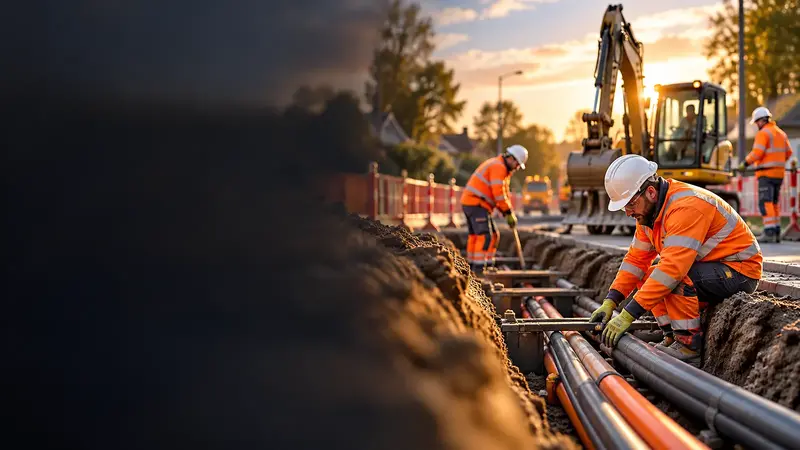
Used equipment finance for second-hand machinery and kit
Used equipment finance funds second-hand machinery, plant, vehicles and specialist kit through hire purchase, leasing or a…
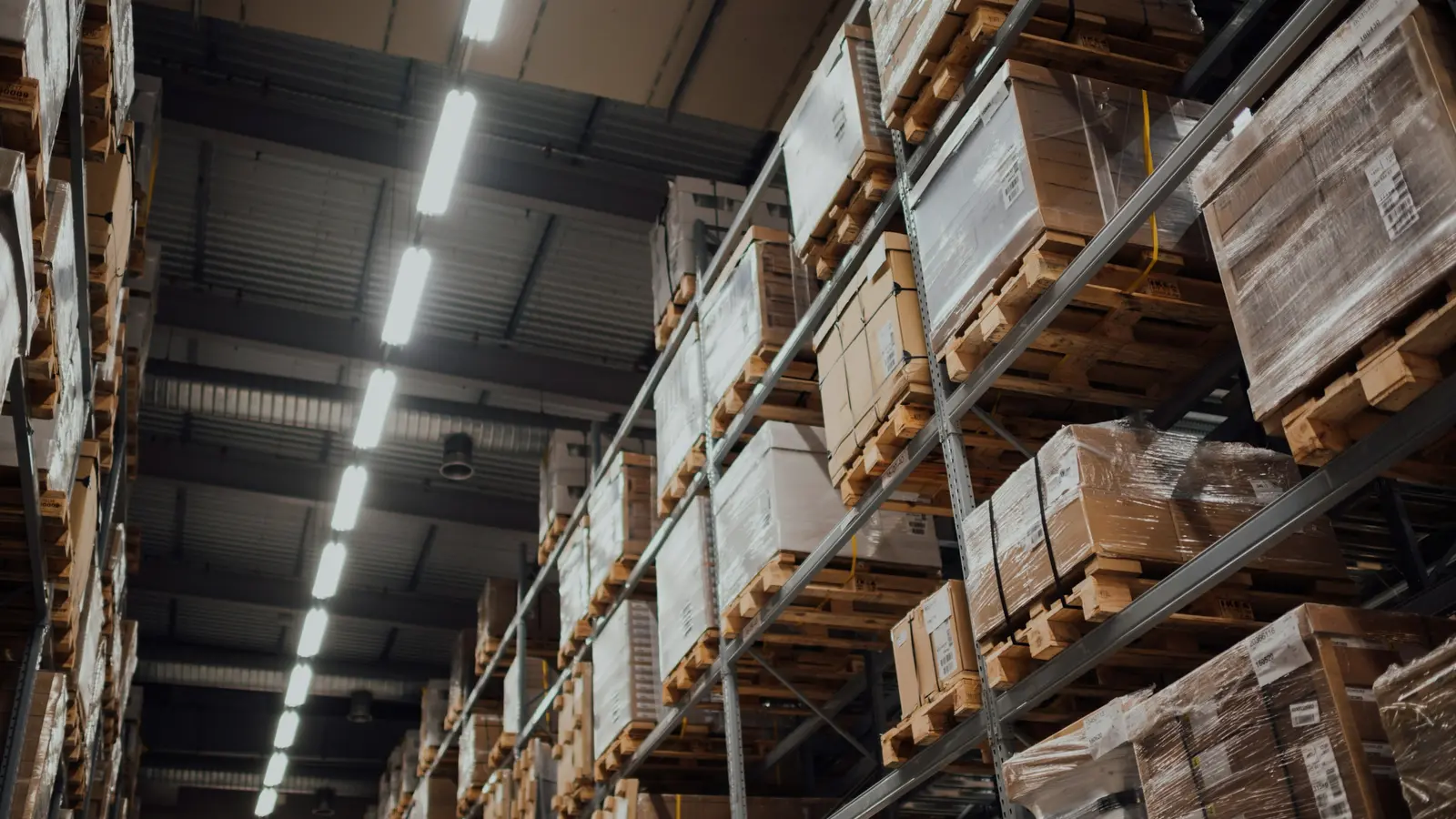
Warehouse equipment finance for racking, reach trucks, stackers, dock levellers and wrappers: how lenders treat the asset mix, security, costs and timing.
Explore funding options Prefer a quick call back? Leave your number
“I highly recommend this company: excellent service all round.”
In short
What you need to know.
The equipment is the lender's main security. Mobile kit is easiest to fund; racking, fixed loading bay equipment and software are fundable but may need a deposit, a landlord's waiver or a shorter term.
About warehouse equipment finance
Specialist knowledge. Better outcomes.
This page is for warehouse operators, distributors, third-party logistics providers, manufacturers and e-commerce businesses that need to equip or expand a storage and fulfilment operation without paying for everything upfront. Warehouse equipment finance spreads the cost of racking, reach trucks, stackers, order pickers, dock levellers, pallet wrappers, conveyors and similar kit over an agreed term, so cash stays available for stock, staff and new contracts. Smart Funding Solutions is a broker, not a lender. We approach lenders on our panel of 300+ and arrange facilities from £10,000 to £20 million. For all equipment funding options, start with our asset finance hub.
Counterbalance forklifts have their own page: see forklift finance. This page covers everything else that makes a warehouse work, and how lenders treat a mixed package of mobile, fixed and software assets.
Warehouse equipment is usually funded through one of four asset finance structures, chosen according to whether you want to own the kit and how long you will use it.
The lender pays the supplier directly once the equipment is delivered or installed and you have signed an acceptance. For larger installations, some lenders will make stage payments to the supplier during the project, which avoids you funding deposits from cash.
Warehouse equipment finance suits established businesses expanding storage, throughput or capability, where the new equipment supports identifiable revenue. Common situations include:
A warehouse fit-out is usually best funded as a set of linked agreements rather than one loan, with each asset type matched to the structure and term that suits it.
Illustration only. The figures are round and hypothetical. A distributor moving into a larger unit needs £300,000 of equipment: £150,000 of pallet racking and a mezzanine, £100,000 of reach trucks and stackers, £30,000 of dock levellers and shelters, and £20,000 for a warehouse management system and scanners.
Whether any lender would agree to that structure depends on the business and the case, but splitting the package this way often produces better overall terms than forcing everything into a single agreement.
For individual items of mobile equipment, such as a reach truck or pallet wrapper, credit decisions can come within a few working days in straightforward cases, with payment to the supplier on delivery. Larger fit-outs involving racking, mezzanines or automation typically take from around two to six weeks to arrange, depending on the lender, the size of the project, whether a landlord's waiver is needed and how stage payments are structured. Supplier lead times for racking and automation are often longer than the finance process, so it helps to agree funding in principle while you are still finalising the specification.
The equipment itself is the primary security, as the lender owns it, or holds title to it, until the agreement ends. For warehouse projects, a few extra points apply:
Costs depend on the agreement type, the asset mix, the term and your business's risk profile. We do not quote figures, but the structure is usually:
Buying equipment through hire purchase can bring capital allowances into play; see our guide to asset finance and capital allowances. Our asset finance calculator lets you compare monthly payments over different terms.
Lenders assess the equipment, the installation and the strength of the business behind it. The specific questions in warehouse deals are:
The proportion of the package that is mobile, removable equipment with resale value, against installation, software and fixed items.
Established brands and reputable installers support resale values and reduce delivery risk.
Whether you own or lease the warehouse, the length of the lease remaining compared with the finance term, and whether the landlord will allow the lender to recover fixed equipment if needed. A landlord's waiver is often requested for racking, mezzanines and dock equipment.
For logistics providers, the length and quality of the contracts the equipment will serve, and how dependent the business is on one client.
Accounts, management information and whether cash flow comfortably covers the new payments alongside existing commitments.
Business and director credit records, and payment history on any existing finance.
A clear breakdown between hard equipment and installation or software helps lenders price the deal and avoids delay later.
How the main business finance structures work. Lenders set their own terms, so treat this as a guide to the questions to ask.
| Option | How you repay | Security | Often used for |
|---|---|---|---|
| Unsecured business loan | Fixed instalments, usually monthly | No charge over assets; a personal guarantee is usually required | Growth, stock, tax bills and cash flow |
| Secured business loan | Fixed instalments, often over a longer term | A charge over property or other assets | Larger sums, property and refinancing |
| Revolving credit facility | Interest on what you draw; repay and redraw | Varies by lender and case | Recurring or uneven cash flow gaps |
| Merchant cash advance | A share of future card takings | No charge over assets | Card-taking businesses with uneven months |
| Asset finance | Regular payments over the life of the asset | The asset being financed | Equipment, vehicles and machinery |
| Invoice finance | Settled as customers pay their invoices | Your unpaid invoices | Businesses waiting on customer payment |
General information only. Every lender has its own criteria, and all finance is subject to status.
Warehouse equipment finance covers the mobile handling equipment, storage systems, loading bay equipment and packaging machinery a warehouse needs, funded through asset finance agreements secured on the equipment itself. Typical items include:
| Category | Examples | How lenders usually view it |
|---|---|---|
| Mobile handling equipment | Reach trucks, pallet stackers, powered pallet trucks, order pickers, very narrow aisle trucks, tow tractors | Strong security: identifiable, movable and with an active second-hand market |
| Storage systems | Pallet racking, shelving, mezzanine floors, cantilever racking, mobile racking | Fundable, but installed value is higher than resale value, so lenders may want a deposit or shorter term |
| Loading bay equipment | Dock levellers, dock shelters, loading ramps, high-speed doors | Often fixed to the building, which raises questions about ownership and landlord consent |
| Packaging and end-of-line kit | Pallet wrappers, strapping machines, carton erectors, labelling systems | Generally good security, especially from mainstream manufacturers |
| Conveyors and automation | Conveyors, sortation systems, automated storage and retrieval, goods-to-person systems | Fundable by specialist lenders; project size and installation content drive the structure |
| Software and soft costs | Warehouse management systems, scanners, installation, project management | Treated as soft assets; usually funded alongside hard assets rather than alone |
Most warehouse projects mix these categories. A lender comfortable with reach trucks may treat a large racking installation more cautiously, so it often pays to structure the package so that each element sits with a lender that values it properly.
The nearest alternative is a standalone forklift agreement, and the main difference is the asset mix. The comparison below shows where each fits.
| Feature | Warehouse equipment package | Forklift finance |
|---|---|---|
| Assets | Racking, reach trucks, stackers, dock equipment, wrappers, conveyors, software | Counterbalance forklifts and closely related trucks |
| Security quality | Mixed: strong for mobile kit, weaker for installation and fixed items | Generally strong, with a deep resale market |
| Premises issues | Landlord waiver often needed for fixed items | Rarely relevant |
| Typical structure | Hire purchase or finance lease, sometimes with stage payments | Hire purchase, finance lease or operating lease with maintenance |
| Arrangement time | Longer for large fit-outs | Usually shorter |
If you only need trucks, go straight to our forklift finance page.
We start with the full list of equipment and the project timetable, then work out how the package is best structured: which items suit hire purchase, which suit a lease, and whether fixed items or software should be funded differently. We approach lenders on our panel with experience of warehouse and logistics equipment, handle landlord waiver and stage payment questions, and compare offers on cost, term, deposit, security and flexibility. Lenders make every credit decision. It is free to enquire; any broker fee is disclosed separately before you proceed. To discuss your fit-out, contact us.
Illustrative figures from the numbers you enter, before you speak to a lender.
Sometimes, through refinancing, though lenders are cautious with installed racking because much of its original cost was labour. Equipment bought within recent months can often be funded retrospectively if invoices and proof of payment are available. Older racking is usually treated as part of a wider refinance including more mobile assets.
Lenders do not usually inspect racking themselves, but they expect it to be installed to recognised standards and maintained safely, as your health and safety duties require. Regular inspections by a competent person protect both your staff and the equipment's value, and evidence of them can help if you later refinance or sell.
Yes. Lenders will want to see the agreed lease terms, or heads of terms, to check the length remaining compares sensibly with the finance term. Where fixed items are involved, it is worth raising the lender's need for a landlord's waiver during lease negotiations, when the landlord is more likely to agree.
Usually, yes. Battery chargers, lithium-ion batteries and charging stations for reach trucks and stackers are commonly included in the same agreement as the trucks themselves. Some suppliers offer battery-as-a-service arrangements, so compare total cost over the term rather than the truck price alone.
Yes, but they are normally separate facilities. The building would be funded through a commercial mortgage, and the fit-out through asset finance secured on the equipment. Keeping them separate often helps, because each lender can focus on the asset it understands. See our commercial mortgages page.
Used equipment finance funds second-hand machinery, plant, vehicles and specialist kit through hire purchase, leasing or a…

The right structure depends on whether you want to own the kit. Hire purchase suits equipment you will use for most of its…

A finance lease is a form of equipment leasing in which a lender buys an asset and rents it to your business for most of its…

IT equipment finance spreads the cost of laptops, desktops, servers, networking and phone systems over monthly payments,…

Medical equipment finance spreads the cost of clinical kit, from ultrasound and endoscopy stacks to lab analysers, OCT scanners…
How much you can raise depends mainly on what the asset would sell for today, not what you paid for it. Vans, HGVs, plant and…
What our clients say
“Simon was fast, kept us updated at all stages and was a real pleasure to work with on our asset finance. I highly recommend this company: excellent service all round.”
“We were looking for finance for new equipment. Simon is excellent and objective-driven, without the horrendous form filling of your usual high street bank. The whole thing took just a few days.”
“Spoke with Simon, who managed to get me the loan I needed promptly. The whole process was very smooth and was completed within a few days.”
“Getting a business loan can feel like a bit of a minefield, but everything was broken down for me in great detail. Will use again in the future!”
“Simon was a pleasure to deal with and helped us find a business loan that matched our growth goals and future expansion plans.”
“I couldn’t source funding for my business, but the team got in touch within an hour and had it sorted within 24 hours. Fantastic service, and I would definitely use them again.”