
How to use a business loan to fund marketing
Most unsecured business loans can be used for any legitimate business purpose, including advertising, a new website, content…
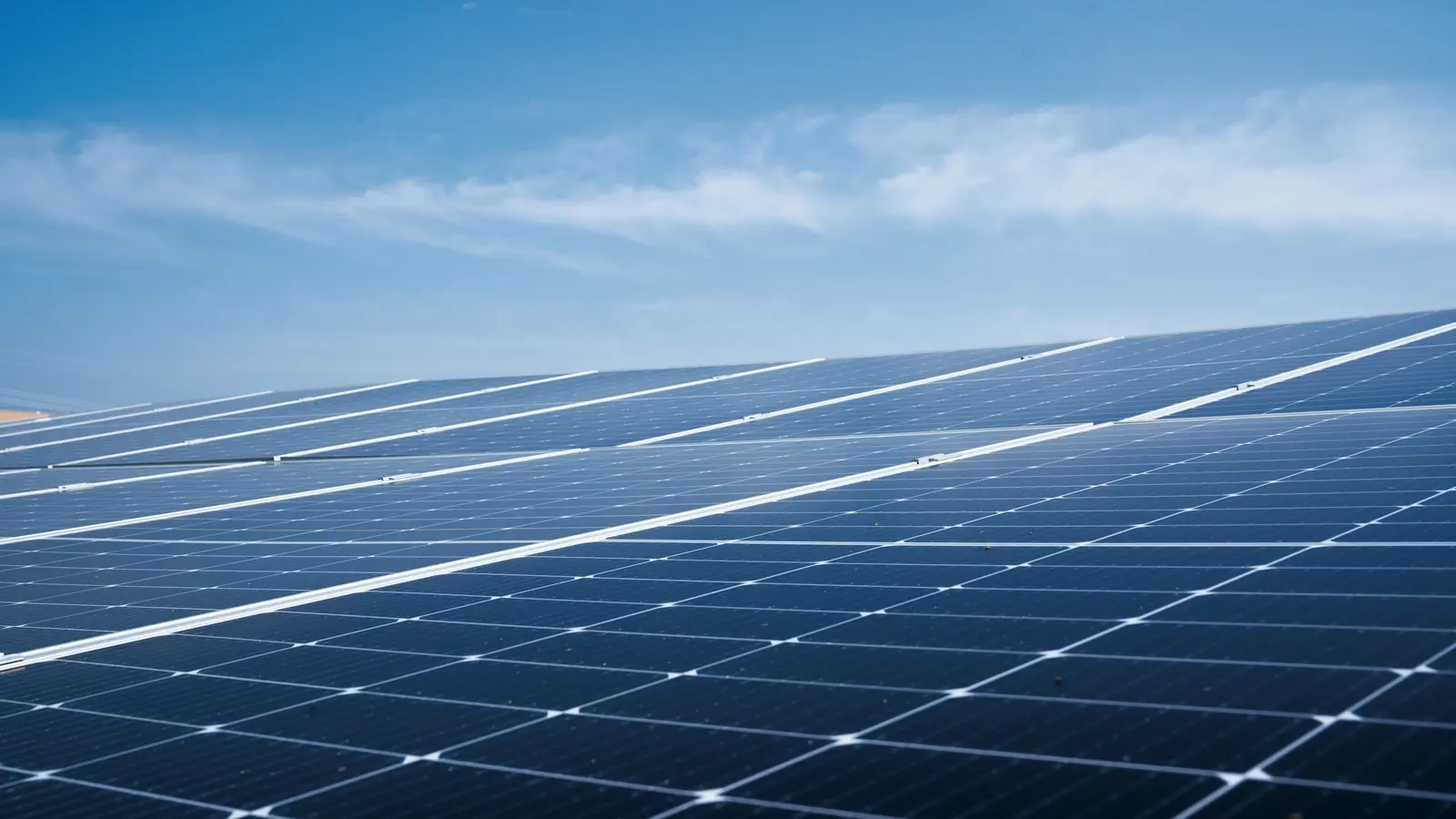
How UK businesses fund solar panels, heat pumps, EVs and waste reduction with green business loans or asset finance, and how to check savings cover repayments.
A green business loan is finance used to pay for projects that cut a business's energy use, emissions or waste. In practice, standard business loans and asset finance can pay for sustainability projects, such as solar panels, heat pumps, LED lighting, electric vehicles and waste-reduction equipment, that cost money upfront but reduce running costs over time.
This guide is for UK business owners planning energy, vehicle or waste improvements who need to spread the cost. Smart Funding Solutions is a broker that sources finance for these projects from a panel of 300+ lenders; for an overview of every product type, see our business finance guide.
For many firms, the strongest case for a green project is financial: lower energy and fuel bills, less waste to dispose of, and equipment that lasts longer. Sustainability improvements can also help you win contracts where buyers assess suppliers' environmental credentials, and keep you ahead of changing regulations.
The obstacle is usually cost. Solar arrays, new plant or a fleet of electric vans need capital that smaller businesses may not have available. Finance spreads that cost over the life of the asset, ideally so that savings help cover repayments.
LED lighting, insulation, smart heating controls, efficient boilers, heat pumps and upgraded machinery all reduce energy use. Because savings are measurable, these projects are often easiest to justify to a lender.
Solar panels, battery storage and, for larger sites, wind or biomass systems let you generate some of your own power. Our guide to renewable energy business loans covers this in more detail.
Electric and hybrid cars, vans and trucks reduce fuel costs and emissions, and charging points can be financed alongside them. See electric car finance for business-specific options.
Balers, compactors, recycling equipment, reusable or recyclable packaging systems and more efficient production lines cut waste and disposal costs.
Changing suppliers, reorganising logistics or investing in more efficient systems may need working capital during the transition.
The strongest green projects pay for themselves, or close to it. Two quick checks help before you apply:
Illustrative example only — not a quote or offer of finance.
A £30,000 installation expected to save £6,000 a year has a simple payback of five years. Financing it over a term close to or longer than that payback period keeps the monthly cost near the monthly saving. For a real project, use supplier quotes and your own bills, and estimate savings conservatively.
Some energy-saving equipment and zero-emission vehicles may also qualify for tax relief through capital allowances, which can improve the return. Check the current rules with your accountant.
£212,300A transaction we arrangedApproved, then nearly lost at completion. £212K consolidated.A property-title requirement threatened a consolidation deal at the last hurdle. We worked it through and kept the structure intact.Lenders assess a green project in the same way as any other borrowing. They will look at affordability, trading history, credit, and the value and resale market of any asset being financed. A clear project plan helps, including:
Whether it is a single piece of equipment or a wider programme, we can compare lenders that fund this kind of project, help you present the expected savings clearly and review the offers with you. Lenders make the final decision. Discuss your requirement with us.
This guide is general information, not financial advice. Lenders set their own criteria, rates and terms, and all finance is subject to status.
Not ready for the full application? Leave a few details and a broker will call you to talk it through. It is free, with no obligation.
Not automatically. Most green business loans are standard loans or asset finance used for sustainability projects, so pricing depends on your trading history, credit profile, the term and any security, not just the purpose. Some lenders and schemes may offer better terms for qualifying projects, but compare the total amount repayable across offers. Strong projected savings can help with affordability. See green business finance for equipment-based options.
Yes, energy efficiency projects such as LED lighting, insulation and smart heating controls are commonly funded through unsecured business loans or asset finance. Because savings are measurable, they are often among the easiest sustainability projects to justify to a lender. Get supplier quotes and estimate savings conservatively, then compare the monthly repayment with the expected monthly saving to see how close the project comes to paying for itself.
Often yes. Many businesses use a grant or government scheme to cover part of a sustainability project and borrow for the rest, though grants are competitive and may have conditions on how the remaining cost is funded. Check grant rules before committing to finance. The Find a grant service on GOV.UK lists current government grants.
It depends on the finance type. Asset finance on solar panels, vehicles or equipment uses the asset as security, so a guarantee may be smaller or not needed for stronger businesses. Unsecured loans for mixed projects usually require a personal guarantee from the directors, while secured loans rely on property or other assets. Read what any guarantee covers before you sign, and take independent advice if unsure.
Most unsecured business loans can be used for any legitimate business purpose, including advertising, a new website, content…
A £1 million business loan is usually a negotiated facility package rather than a single loan, combining term debt, asset-based…
A £100,000 business loan is usually a term loan repaid monthly over about one to six years. Established businesses with two or…
A £250,000 business loan is usually a term loan, or a combination of facilities, repaid over several years. At this size…
A £500,000 business loan is usually a secured term loan, often combined with invoice finance, asset finance or a revolving…
Asset based lending is a revolving business facility secured on a company's working assets, usually trade debtors plus stock,…
Our clients say
Trusted by UK businesses across every sector.
“Simon was fast, kept us updated at all stages and was a real pleasure to work with on our asset finance. I highly recommend this company: excellent service all round.”
“Spoke with Simon, who managed to get me the loan I needed promptly. The whole process was very smooth and was completed within a few days.”
“Getting a business loan can feel like a bit of a minefield, but everything was broken down for me in great detail. Will use again in the future!”
“Simon was a pleasure to deal with and helped us find a business loan that matched our growth goals and future expansion plans.”
“I couldn’t source funding for my business, but the team got in touch within an hour and had it sorted within 24 hours. Fantastic service, and I would definitely use them again.”
A short conversation is often enough to know which lenders will look at your case and how to present it. There is no obligation, and it is free to enquire.