

Business hire purchase: spread the cost and own the asset
Business hire purchase is a way to buy a vehicle, machine or piece of equipment over time. A lender buys the asset, you pay a…

How to fund software licences, IT, EPOS and fit-outs that have little resale value: leasing vs hire purchase, what lenders need, SaaS and IP-backed lending.
Soft asset finance is funding for business assets that have little or no resale value once installed or used: software, IT hardware, telephone systems, EPOS, furniture, signage and office or shop fit-outs. It is for established businesses investing in systems and premises rather than machines, such as a practice rolling out new management software, a retailer replacing tills or an office moving to a new floor. Smart Funding Solutions knows which lenders on its panel are comfortable funding assets they cannot easily repossess and resell.
The term is also sometimes used for borrowing secured against intangible assets such as patents and trademarks, which is covered further down. For finance on vehicles, plant and machinery, see our main asset finance hub.
For laptops, servers and networks, see IT equipment finance.
Lenders divide equipment into hard assets, such as vehicles, plant and machinery, which hold value and can be resold, and soft assets, which cannot easily be recovered and sold if a borrower defaults. Common soft assets include:
A lender pays the supplier and you repay in fixed instalments over an agreed term, through one of two main routes:
Soft asset finance is secured on the assets themselves, through the lender owning them under a lease or keeping title under hire purchase, but because software and fit-outs are hard to recover, most lenders also look for a personal guarantee from the directors, a deposit, or both, particularly for younger companies.
Because soft assets have limited resale value, the lender relies more on the strength of your business than on the equipment. That typically means shorter terms than for hard assets, closer scrutiny of your accounts and credit history, and sometimes a deposit or personal guarantee.
Lenders most readily fund software with a clear, one-off cost, such as an ERP, CRM, accounting or practice management system. A single agreement can often cover:
Monthly cloud subscriptions (SaaS) are normally paid as a running cost and are rarely financed, although some lenders will fund an upfront multi-year subscription if the supplier offers a discount for paying in advance. Before you sign, check what happens to support, updates and your licence if the supplier changes its product or goes out of business, because your repayments continue regardless. Some software vendors offer their own payment plans; compare them with independent finance on total cost and flexibility.
Partitioning, lighting, flooring, furniture and shopfitting are among the hardest assets to recover, so lenders look closely at your trading record and, for rented premises, the length of your lease. Our guide to fit out finance covers office, warehouse and shop projects in detail.
Soft asset finance usually suits limited companies, LLPs and partnerships with at least two years of trading and filed accounts, clean credit and comfortable affordability; newer businesses can qualify but often need a deposit, a guarantee or a shorter term. Lenders look at:
A straightforward lease or hire purchase for IT hardware, EPOS or a phone system typically takes from a few days to two weeks once a lender has the supplier's quote, your latest accounts and bank statements. Larger software and fit-out projects usually take longer, often two to four weeks, because the lender reviews a bigger proposal more closely and may want to see the project plan, the lease on rented premises or a breakdown of how much of the cost is labour. Staged payments add a further step, as the lender releases funds to the supplier at agreed milestones or on signed completion. Vague quotes, newer businesses and recent credit issues are the usual causes of delay.
| Benefits | Drawbacks |
|---|---|
| Avoids a large upfront outlay | Total cost is higher than paying cash |
| Fixed repayments make budgeting simpler | Lenders are more selective than for hard assets, especially with newer businesses |
| Leasing makes it easier to refresh IT and software | Payments continue even if the system stops being useful |
| Hardware, software, installation and training can be bundled | A personal guarantee may be required |
Some businesses use "soft asset finance" to mean lending secured on intangible assets such as patents, trademarks, copyrights and software code. This is a specialist, relatively small market. Lenders value the intellectual property using market, income or cost-based methods and carry out legal due diligence to confirm you own it outright and that it is properly protected.
IP-backed lending can suit established companies whose value sits mainly in their technology, brands or content. The risks are real: valuations can move with technology and markets, ownership or validity challenges can complicate the deal, and repayments are due regardless of how the IP performs. Take specialist legal and valuation advice first, and see the Intellectual Property Office for registering and protecting IP. Software companies raising money for their own growth have different options, covered on our software company funding page.
This guide is general information, not financial advice. Lenders set their own criteria, rates and terms, and all finance is subject to status.
Not ready for the full application? Leave a few details and a broker will call you to talk it through. It is free, with no obligation.
It can be. Lease rentals are often treated as a business expense, while with hire purchase you may be able to claim capital allowances on the asset and deduct the interest. The treatment depends on the agreement and your business's circumstances, so confirm the position with your accountant before choosing between leasing and hire purchase.
It is harder, because soft assets have little resale value and lenders rely more on the business's own strength. Newer businesses can qualify but often need a deposit, a personal guarantee from the directors, a shorter term, or all three. A detailed supplier quote, strong personal credit and a clear business plan help. If soft asset finance is not available, a start-up business loan may fund software or fit-out costs instead.
Some lenders will fund soft assets for sole traders, though soft asset finance more usually suits limited companies, LLPs and partnerships with filed accounts. Sole traders should expect lenders to look closely at tax returns, bank statements and personal credit. Finance of £25,000 or less to a sole trader or small partnership can be regulated consumer credit, which affects how agreements are written. A general unsecured loan may be an alternative.
Soft asset finance often costs more than finance for vehicles or machinery, because the lender cannot easily repossess and resell software, signage or a fit-out if repayments stop. Pricing reflects that extra risk, and terms tend to be shorter. Your trading record, credit history and the size of any deposit all affect the cost. Compare the total amount payable with an unsecured loan or the supplier's own payment plan before you choose.
It is difficult to raise cash against soft assets you already own, because lenders struggle to value or resell software, fit-outs and signage. Asset refinancing works best on hard assets such as vehicles and machinery that hold their value. If you need to release cash after paying for software or a fit-out, an unsecured business loan or, where you own other equipment, asset refinancing against those items may be more realistic.
Business hire purchase is a way to buy a vehicle, machine or piece of equipment over time. A lender buys the asset, you pay a…
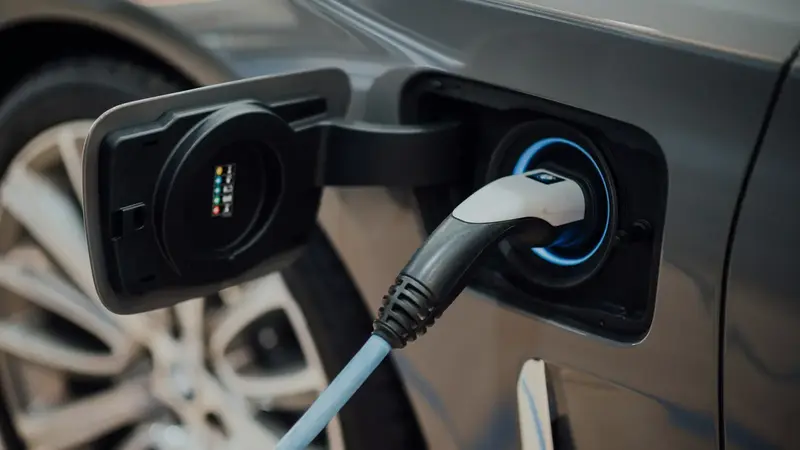
EV charger finance is asset finance that spreads the cost of buying and installing electric vehicle charge points, including…

An operating lease is a rental agreement in which a business pays to use an asset for part of its working life and then returns…

How much you can raise depends mainly on what the asset would sell for today, not what you paid for it. Vans, HGVs, plant and…
With hire purchase, your business is treated as the owner, so it can usually claim capital allowances on the full cost when the…

Yes, a weaker credit history does not automatically rule out equipment or vehicle finance. Lenders that consider adverse credit…
Our clients say
Trusted by UK businesses across every sector.
“Simon was fast, kept us updated at all stages and was a real pleasure to work with on our asset finance. I highly recommend this company: excellent service all round.”
“Spoke with Simon, who managed to get me the loan I needed promptly. The whole process was very smooth and was completed within a few days.”
“Getting a business loan can feel like a bit of a minefield, but everything was broken down for me in great detail. Will use again in the future!”
“Simon was a pleasure to deal with and helped us find a business loan that matched our growth goals and future expansion plans.”
“I couldn’t source funding for my business, but the team got in touch within an hour and had it sorted within 24 hours. Fantastic service, and I would definitely use them again.”
A short conversation is often enough to know which lenders will look at your case and how to present it. There is no obligation, and it is free to enquire.