
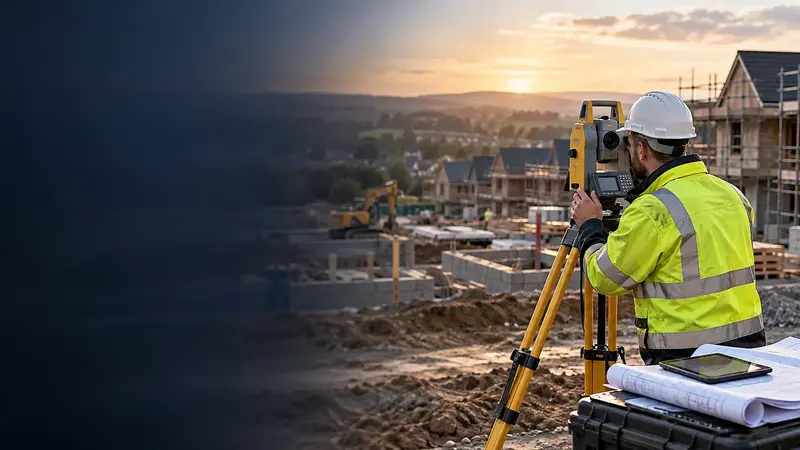
Civil engineering funding for groundworks and infrastructure contractors
Most civil engineering contractors fund each part of the cash gap separately. Plant goes on hire purchase or leasing; the wait…
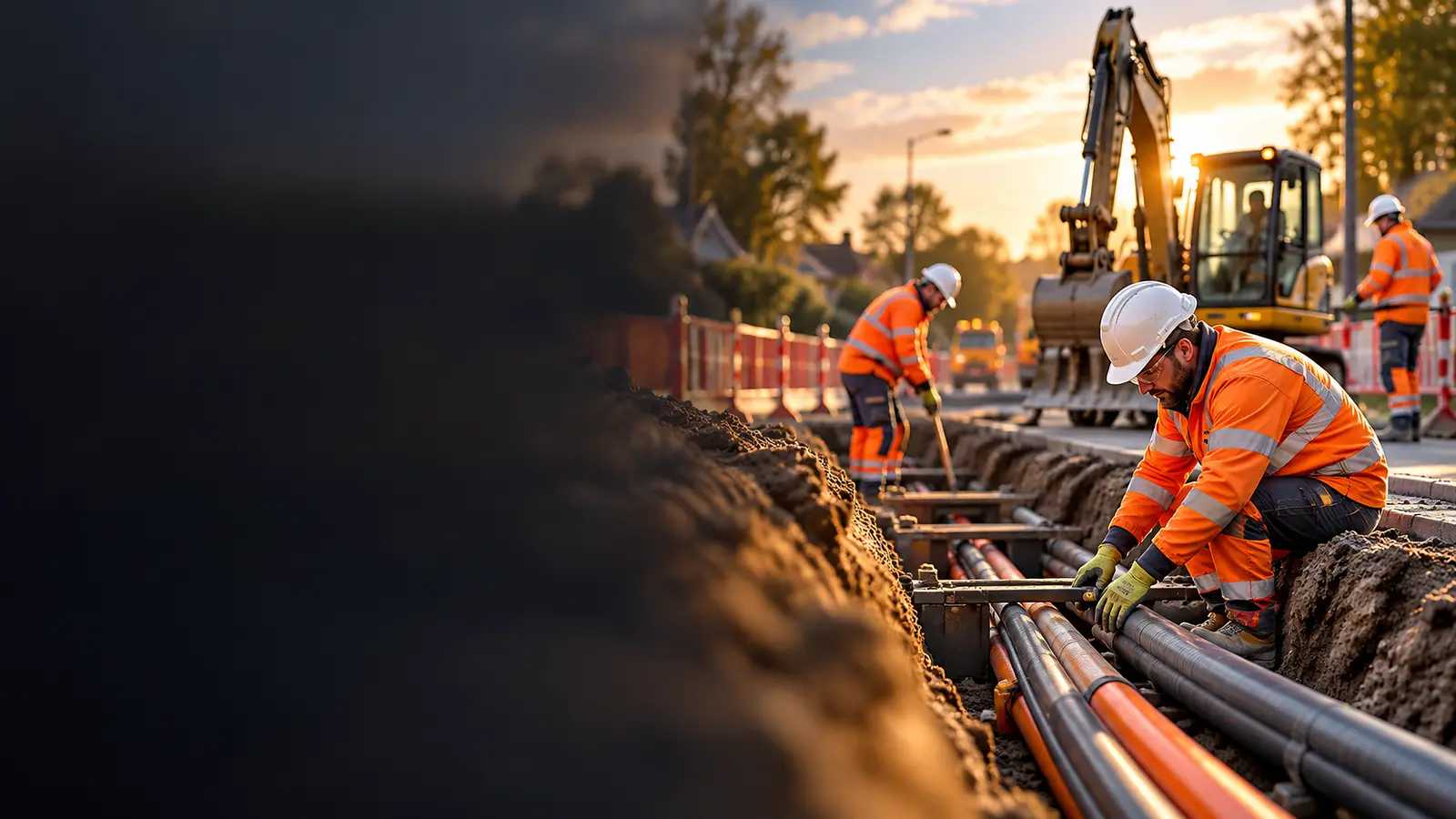
Hire purchase, leasing or refinance for excavators, bulldozers, dumpers and telehandlers: how each works, new vs used plant, and what to check before signing.
Construction equipment finance is funding that lets builders, contractors, groundworkers and plant hire firms acquire excavators, bulldozers, dumpers, telehandlers, rollers, cranes and other machinery through fixed monthly payments. The machine usually acts as security, so you keep cash free for labour, materials and the gaps between stage payments.
This guide compares the main agreements, explains how lenders treat new and used plant, and lists what to check before you sign. Smart Funding Solutions is a broker: we compare plant finance from our panel of 300+ lenders, including specialists that understand construction machinery. For other industrial kit, see our machinery finance page.
Plant is expensive, and construction cash flow is often uneven, with retentions and long payment terms on contracts. Financing equipment helps you:
| Option | How it works | Ownership |
|---|---|---|
| Hire purchase | Deposit (sometimes) then fixed instalments covering the cost and interest | Yours after the final payment |
| Finance lease | Rentals over most of the machine's working life; you usually share in sale proceeds at the end | Stays with the lender |
| Operating lease or contract hire | Rent for a set period, then return or upgrade | Stays with the lender |
| Asset refinance | Release cash from plant you already own while it keeps working | Yours again at the end |
| Business loan | A secured or unsecured loan used to buy the machine outright | Yours from the start |
You pay a deposit and fixed instalments, and own the machine after the final payment. It suits plant you will keep for its working life, such as a bulldozer or excavator used every week. Capital allowances may be available, and VAT is normally paid up front; ask your accountant.
A long-term rental where the lender owns the equipment. Rentals are generally treated as a business expense and VAT is spread across payments. At the end you usually continue renting or sell the machine on the lender's behalf.
A shorter rental where the lender takes the risk on the machine's end value. It suits firms that want to upgrade regularly or need equipment for a defined period, but expect conditions on hours and wear when it is returned.
Asset refinancing releases cash from plant you already own, which can fund a new contract, a tax bill or further equipment.
Used machines are widely financed, particularly from established plant dealers and auctions with good documentation; some lenders will also fund private sales. Lenders look at the make, model, age, hours and condition, and may offer shorter terms or ask for a deposit on older machines. New machines typically attract longer terms and come with warranties, but cost more. On any used purchase, confirm there is no outstanding finance on the machine before you pay.
Weaker credit or limited trading history does not always rule you out; see our guide to bad credit asset finance.
Plant and machinery bought on hire purchase usually qualifies for capital allowances in the same way as an outright purchase. GOV.UK states that the Annual Investment Allowance (AIA) can be claimed on most plant and machinery, up to an AIA amount of £1 million, and that for an item bought on hire purchase you can claim for all the payments you will make under the contract once you start using it, but not the interest.
| Agreement | Capital allowances | VAT |
|---|---|---|
| Hire purchase | Usually claimed by your business, as the machine becomes yours | Normally paid upfront on the price |
| Finance lease | Generally not claimed by you; rentals are usually treated as a business expense | Spread across the rentals |
| Operating lease or contract hire | Not claimed by you; rentals are usually an expense | Spread across the rentals |
| Business loan to buy outright | Claimed on the purchase; interest is a separate cost | Paid upfront on the price |
Tax treatment should support the decision, not drive it: choose the agreement that fits how long you will keep the machine, then check the tax position. For mini diggers and larger excavators, see our excavator finance guide; for plant hire fleets, see plant and machinery finance.
Construction firms often combine plant finance with other facilities, such as invoice finance to bridge long payment terms or a working capital loan for materials. Our construction finance page covers the wider options. It is free to enquire; any broker fee is disclosed separately before you proceed.
This guide is general information, not financial advice. Lenders set their own criteria, rates and terms, and all finance is subject to status.
Not ready for the full application? Leave a few details and a broker will call you to talk it through. It is free, with no obligation.
Often, yes. Because the machine secures the agreement, some lenders support start-ups, particularly where the owners have construction experience or secured contracts. Expect personal credit checks, and you may be asked for a larger deposit or a personal guarantee. Each lender sets its own criteria, so approval is never assured.
Construction equipment finance with bad credit is sometimes possible, because the machine acts as security and lenders can rely partly on its resale value. Expect fewer lenders, a larger deposit and higher costs. Lenders look at what caused the credit problem, whether it is resolved and whether contract income covers repayments. Our asset finance page explains how security affects lender appetite.
The deposit for construction equipment finance varies by lender, the age and type of machine and your trading record. Established contractors buying new, popular plant may need little or no deposit beyond the VAT, while newer businesses or older specialist machines may need more. A part-exchange can count towards it. Our plant and machinery finance page covers how lenders set terms.
Yes, asset refinancing lets you release cash from construction equipment you own outright or have equity in, with the machines as security. It is often used to fund working capital, a deposit on new plant or the gap between stage payments. Lenders value the machines and look at their age, condition and resale market. Our asset refinancing page explains how it works.
Construction equipment finance can often be arranged within a few working days in straightforward cases, once the lender has the supplier quote, bank statements and ID. Used plant, private sales, specialist machines or larger facilities take longer because the lender may inspect or value the equipment. Having accounts and a list of existing finance ready shortens the process.
Usually, yes. According to GOV.UK, if you buy an item under a hire purchase contract you can claim for all the payments you will make under the contract once you start using it, but you cannot claim on the interest. Most plant and machinery qualifies for the Annual Investment Allowance. Confirm the details with your accountant before you sign.
Hire purchase usually suits heavy equipment you will keep for most of its working life, such as an excavator used every week, because you own it at the end and can usually claim capital allowances. Leasing suits project-specific machines or kit you upgrade often, and spreads VAT across the rentals. The right choice depends on utilisation, cash flow and tax, so compare both before committing.
Most civil engineering contractors fund each part of the cash gap separately. Plant goes on hire purchase or leasing; the wait…

Scaffolding firms usually borrow for two reasons: to build stock and lorries before they can quote for bigger jobs, and to pay…
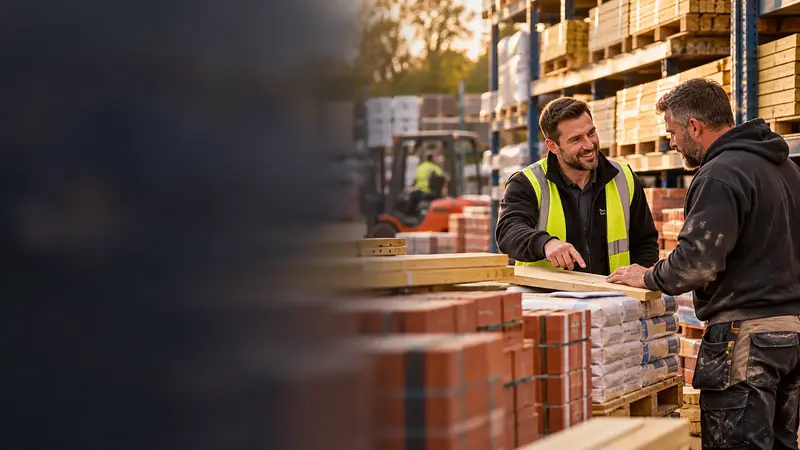
Builders' merchants are usually funded against what they hold: invoice finance on the trade ledger, stock finance for bulk buys…
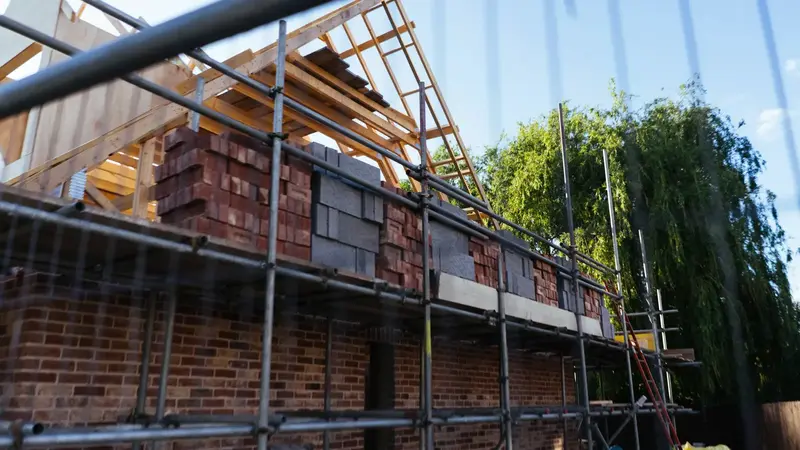
JCT contract finance funds the cash a contractor lays out between doing the work and being paid under a JCT or similar building…
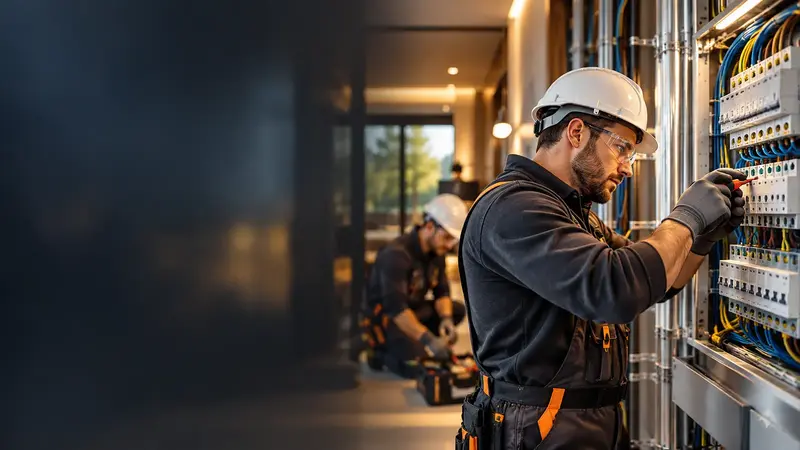
Electrical contractor finance covers vans and test equipment on asset finance, invoice finance against maintenance, testing and…
Plumbing and heating business finance helps plumbers, gas and heating engineers and heat pump installers fund vans, tools and…
Our clients say
Trusted by UK businesses across every sector.
“Simon was fast, kept us updated at all stages and was a real pleasure to work with on our asset finance. I highly recommend this company: excellent service all round.”
“Spoke with Simon, who managed to get me the loan I needed promptly. The whole process was very smooth and was completed within a few days.”
“Getting a business loan can feel like a bit of a minefield, but everything was broken down for me in great detail. Will use again in the future!”
“Simon was a pleasure to deal with and helped us find a business loan that matched our growth goals and future expansion plans.”
“I couldn’t source funding for my business, but the team got in touch within an hour and had it sorted within 24 hours. Fantastic service, and I would definitely use them again.”
A short conversation is often enough to know which lenders will look at your case and how to present it. There is no obligation, and it is free to enquire.