
Commercial property finance for UK businesses and investors
Commercial property finance is borrowing secured on business property: offices, industrial units, shops, trading premises and…
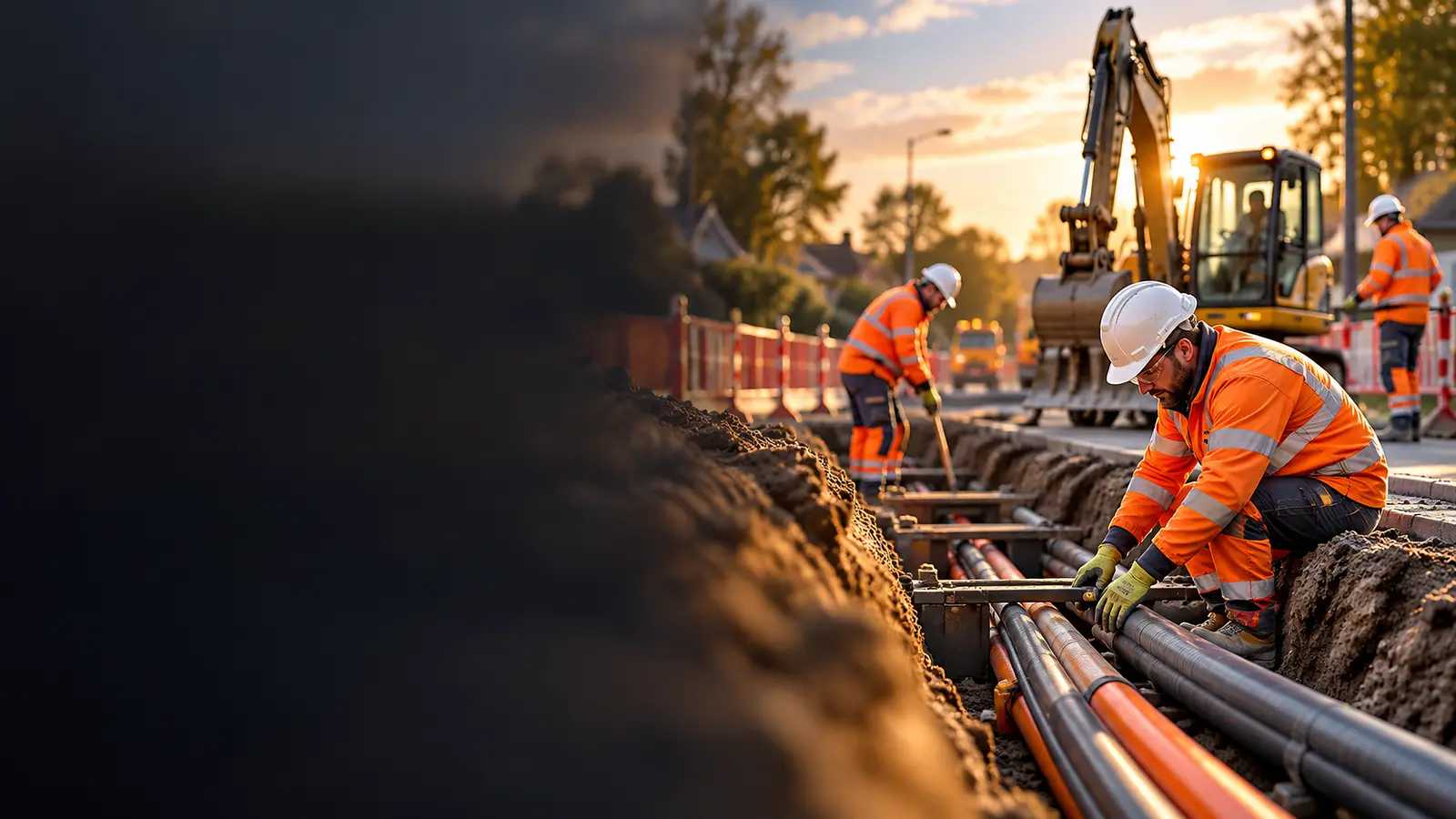
Compare hire purchase, leasing and refinance for new or used excavators and mini diggers, including deposits, VAT treatment, dealer finance and lender checks.
Excavator finance lets construction, groundworks, landscaping, utilities and plant hire businesses spread the cost of a new or used excavator, from a compact mini digger to a large crawler, over monthly payments instead of paying upfront. The excavator itself usually acts as security, which keeps other assets free.
This guide covers the choices specific to diggers: which agreement to use, how VAT and deposits work, and how dealer finance compares with the wider market. Smart Funding Solutions is a broker, not a lender; we approach lenders suited to the machine, including specialist plant finance providers. For all types of plant, see our main guide to construction equipment finance.
| Hire purchase | Finance lease | Operating lease | |
|---|---|---|---|
| Own at the end? | Yes, after the final payment and any option fee | No | No |
| VAT | Normally paid up front on the price | Charged on each rental | Charged on each rental |
| End of term | Keep the machine | Continue renting or sell on the lender's behalf | Return or upgrade |
| Suits | Machines you will run for many years | Lower up-front cost | Regular upgrades, no resale risk |
Some hire purchase agreements use a balloon payment at the end to reduce monthly costs. Operating leases may carry hours-of-use limits and charges for excess wear, so check them against how hard the machine will work.
If you own diggers outright or have equity in them, asset refinancing can release cash for working capital, a deposit on another machine or restructuring existing borrowing.
Mini diggers are well suited to asset finance because they hold their value and are straightforward for lenders to recover. The same agreements apply as for larger machines, and lower purchase prices often mean shorter terms. Sole traders and small partnerships should note that finance of £25,000 or less can be regulated consumer credit, which brings extra protections; most agreements with limited companies are not regulated.
| Lender type | Advantages | Considerations |
|---|---|---|
| Banks | Established, can be competitive for strong applicants | Stricter criteria, can be slower |
| Specialist asset finance lenders | Understand plant values and construction businesses | Pricing varies with risk |
| Manufacturer and dealer finance | Convenient, sometimes promotional terms on new machines | Tied to one brand, may be less flexible for used or mixed fleets |
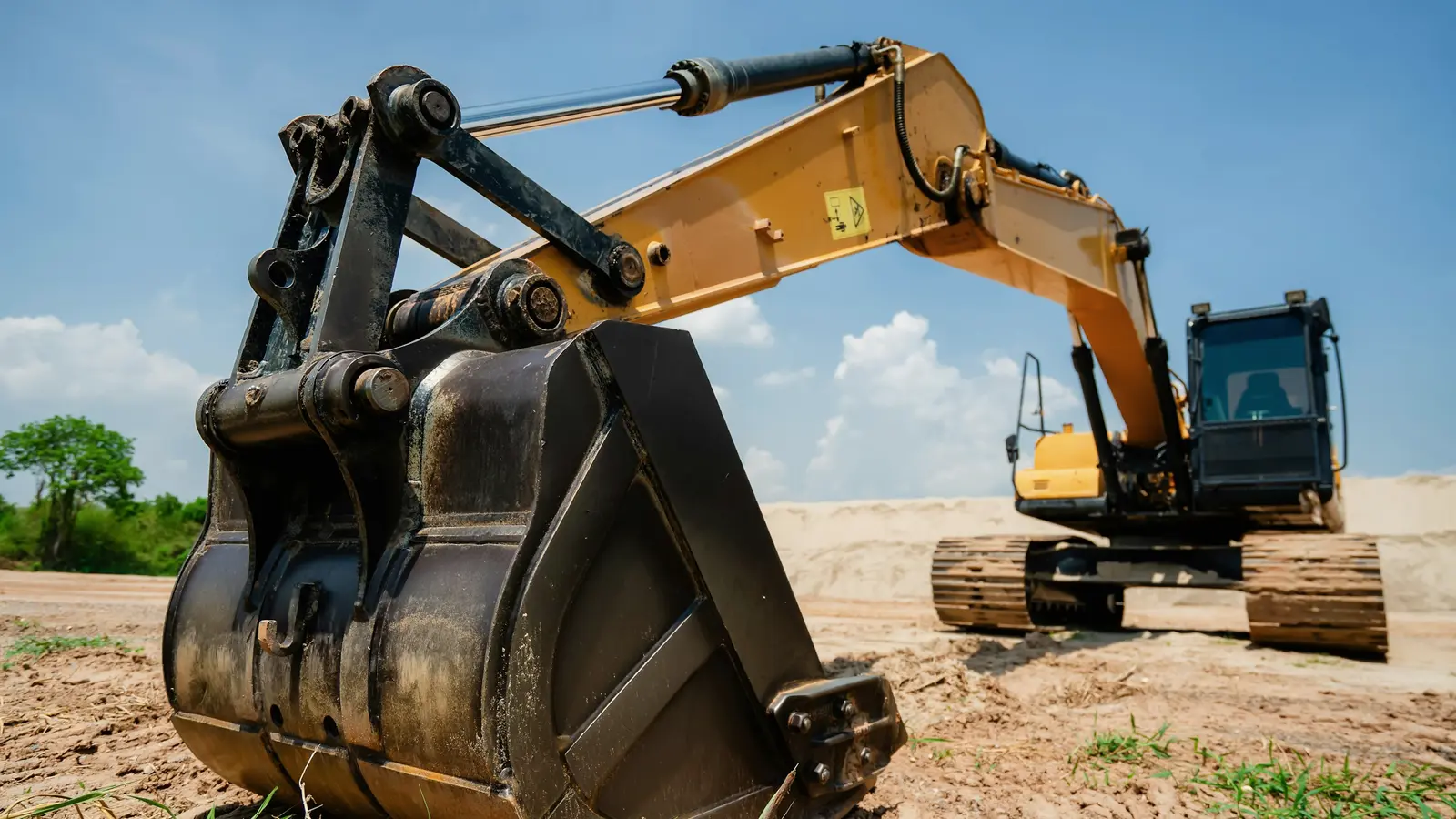
The same choice between banks, specialist lenders and manufacturer schemes applies to most business equipment, and our guide to asset finance companies and agreements in the UK compares hire purchase, leasing and refinancing across asset types.
New machines offer the latest efficiency, emissions standards and warranties, and occasionally dealer promotional finance. Used machines lower the upfront cost and can be available quickly when a contract starts.
For used excavators, lenders look closely at age, hours, condition, service history and market value. Very high hours may limit the term, as lenders generally avoid agreements that run beyond the machine's useful life. Buying from a dealer is often more straightforward than a private or auction purchase, though all can be funded. Always confirm there is no outstanding finance on a used machine.
Rates and deposits depend on risk, asset, term and lender, so there is no single market rate. If your credit history is patchy, our guide to bad credit asset finance explains what can still be possible.
Hire purchase and leasing are treated differently for tax. With hire purchase, the business is usually treated as the owner for capital allowances; with leasing, rentals are generally treated as a business expense. Speak to your accountant before choosing a structure.
When you have a machine and quote in mind, you can explore funding options online.
This guide is general information, not financial advice. Lenders set their own criteria, rates and terms, and all finance is subject to status.
Not ready for the full application? Leave a few details and a broker will call you to talk it through. It is free, with no obligation.
Sometimes. Businesses with strong trading and good credit may be offered finance with little or no upfront deposit, although some agreements require the first few payments in advance. Newer businesses, weaker credit or older machines are more likely to need a deposit. A larger deposit also reduces monthly payments and the total interest paid.
Yes, a new business can often get excavator finance, because the machine itself secures the agreement and diggers hold their value well. Lenders will usually ask for a short business plan or evidence of contracts, look closely at the directors' credit history and may want a larger deposit. A mini digger or a younger used machine is often easier to fund than an old, high-hours one. See start-up business loans for other options for new firms.
The term on excavator finance depends mainly on the machine's age, hours and expected working life, as lenders generally avoid agreements that run beyond the point the digger is still useful and saleable. New machines can usually be financed over longer terms than used ones, while very high hours can shorten the term. Lower purchase prices on mini diggers often mean shorter terms too. A balloon payment on hire purchase can reduce monthly costs.
Often, yes, because the excavator acts as security and lenders can recover it if payments stop. Specialist asset finance lenders that understand plant values are usually more flexible than banks, though pricing will be higher. A larger deposit helps, particularly on an older machine, and a clear purpose such as a new contract strengthens the case. Our guide to bad credit asset finance explains what lenders look for.
Excavator finance can be arranged within a few working days in straightforward cases, once the lender has the supplier quote, recent bank statements and company and director details. Buying from a dealer is usually quicker than a private or auction purchase, where the lender may need to confirm the machine's ownership and that no finance is outstanding. Older machines or weaker credit can mean more questions and a slightly longer timescale.
Commercial property finance is borrowing secured on business property: offices, industrial units, shops, trading premises and…
Most businesses finance a telehandler through hire purchase if they want to own it, or a finance or operating lease if they…
The right construction finance depends on which part of the cash cycle is under pressure. Plant, vans and tools usually go on…
A loan to buy business premises is usually an owner-occupier commercial mortgage, repaid from the profits of the business that…
A commercial mortgage is a long-term loan secured on business property, used to buy, hold or refinance offices, industrial…
A commercial investment mortgage is long-term borrowing secured on a building let to business tenants and repaid from the rent…
Our clients say
Trusted by UK businesses across every sector.
“Simon was fast, kept us updated at all stages and was a real pleasure to work with on our asset finance. I highly recommend this company: excellent service all round.”
“Spoke with Simon, who managed to get me the loan I needed promptly. The whole process was very smooth and was completed within a few days.”
“Getting a business loan can feel like a bit of a minefield, but everything was broken down for me in great detail. Will use again in the future!”
“Simon was a pleasure to deal with and helped us find a business loan that matched our growth goals and future expansion plans.”
“I couldn’t source funding for my business, but the team got in touch within an hour and had it sorted within 24 hours. Fantastic service, and I would definitely use them again.”
A short conversation is often enough to know which lenders will look at your case and how to present it. There is no obligation, and it is free to enquire.