
Veterinary practice acquisition finance and second-site funding
Veterinary practice acquisition finance funds buying an independent practice, merging with a neighbour or adding a second site.…
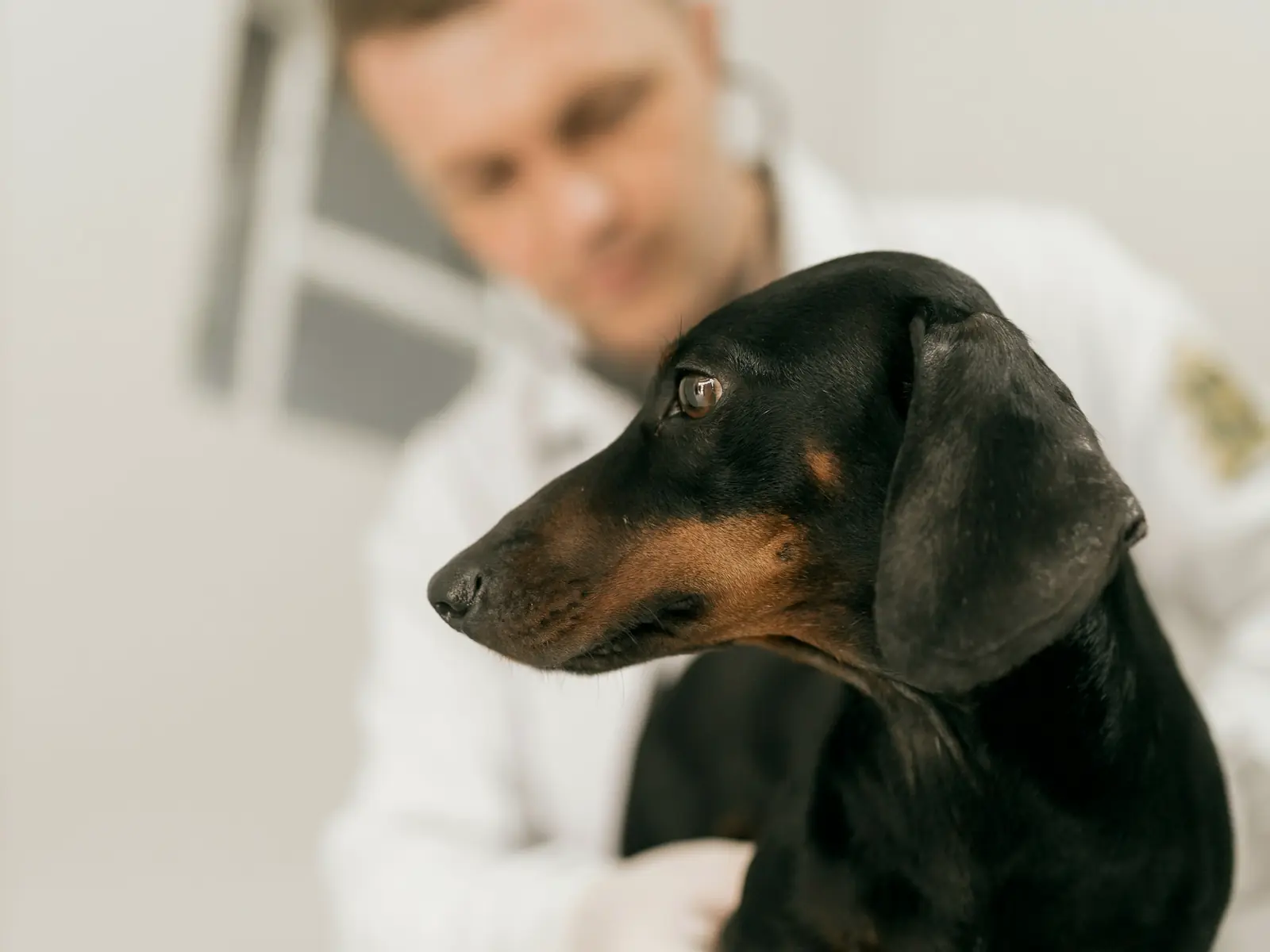
A breakdown of what it costs to open a veterinary practice, from fit-out, imaging and registrations to working capital, and how vets fund a start-up.
This guide is for vets planning to open their own practice, most often an experienced clinician leaving a corporate or independent employer to set up a small-animal clinic. It breaks down where the money goes, the regulatory steps that carry a cost, and how start-ups are usually funded. Smart Funding Solutions is a broker, not a lender: we search our panel of 300+ lenders and arrange facilities from £10,000 to £20 million. For wider practice borrowing, see our veterinary practice loans hub.
| Cost area | What it covers | What drives the cost |
|---|---|---|
| Premises | Lease deposit, legal fees, rent before opening, planning advice | Whether the unit is a shell, a former clinic or a converted shop or industrial unit |
| Fit-out | Consulting rooms, prep area, theatre, X-ray room, wards, isolation, drainage, ventilation | Size, the number of rooms, and shielding and services for imaging and theatre |
| Imaging | Digital radiography, dental radiography, ultrasound | New or refurbished, and how much you install before opening |
| Theatre and anaesthesia | Anaesthetic machine, monitoring, surgical instruments, autoclave, lighting, table | The range of surgery you plan to offer from day one |
| Laboratory | Haematology and biochemistry analysers | Buying outright or taking analysers on a reagent agreement |
| Systems | Practice management software, phones, card terminals, website | Mostly subscription costs rather than capital |
| Opening stock | Medicines, vaccines, consumables, diets | Your formulary and how much you stock rather than order daily |
| People and launch | Wages before opening, recruitment, training, marketing | How early staff start and the local competition |
| Working capital | Cash to cover losses until income covers costs | How quickly the client list builds |
Illustration only, with round hypothetical numbers. Every figure below is an assumption for a modest leasehold clinic and will differ from your quotes. It is here to show the shape of a budget, not to predict what yours will be.
| Item | Hypothetical cost |
|---|---|
| Lease deposit, legal and pre-opening rent | £20,000 |
| Fit-out of a shell unit | £150,000 |
| Digital X-ray, dental X-ray and ultrasound | £60,000 |
| Theatre, anaesthesia and monitoring | £35,000 |
| Laboratory, dental unit and other clinical kit | £30,000 |
| IT, phones and software set-up | £10,000 |
| Opening drugs and consumables | £20,000 |
| Registrations, insurance and professional fees | £10,000 |
| Pre-opening wages and launch marketing | £25,000 |
| Working capital reserve | £60,000 |
| Total | £420,000 |
The two lines most often underestimated are fit-out, where X-ray shielding, theatre ventilation and drainage add up quickly, and working capital, because a new clinic can take many months to build a client list that covers its costs.
Most start-ups combine several sources. Equipment is the easiest part to finance, because the kit itself is security; our veterinary equipment finance page covers imaging, theatre and lab kit, and business equipment financing covers smaller items. Fit-out is harder, since partitions and plumbing have no resale value, but some lenders fund it through fit-out finance for experienced clinicians with a credible plan. Working capital usually comes from your own contribution, a start-up business loan or co-founders' money.
Some lenders deliver the British Business Bank's Growth Guarantee Scheme, which can help where security is limited, though the borrower stays fully liable. Lenders almost always expect personal guarantees for a start-up, and they expect you to put in some of your own money.
£137,500A transaction we arranged£137.5K to fund an accountancy practice acquisition.An established firm had an acquisition agreed. We structured the funding around the transaction and got it completed.Slow client growth is the biggest risk, and it compounds: losses last longer, the reserve runs down and repayments begin before the practice is ready. Recruitment is the second, because a clinic that cannot hire a second vet cannot grow. Competition from established groups nearby can make early pricing difficult. A personal guarantee on start-up borrowing means your own assets back the plan; read our guide to personal guarantees before committing, and keep a reserve you do not plan to touch.
This guide is general information, not financial advice. Lenders set their own criteria, rates and terms, and all finance is subject to status.
Not ready for the full application? Leave a few details and a broker will call you to talk it through. It is free, with no obligation.
It depends on location, pricing, how quickly you build a client list and how lean you keep staffing. Plan conservatively and hold enough working capital to cover a longer ramp-up than you expect, because lenders will test your forecast against a slower case.
Yes, practices in the UK do not have to be owned by vets, but veterinary work must be carried out by registered vets and nurses. Lenders will want to see who leads the clinical side and their commitment to the business.
Usually, because there is no clinic fit-out, although you still need a vehicle, portable kit and registered premises from which medicines are supplied. A vehicle can be funded through vehicle finance.
Few start-ups can fund a building and a fit-out at once, but it is possible with enough contribution. Our veterinary premises finance page explains how lenders view practice property.
Most lenders expect you to put some of your own money into setting up a vet practice, although the amount varies by lender and by how strong your plan and track record are. A personal contribution shows commitment and leaves a cushion if the client list builds slowly. Equipment can often be funded separately through asset finance, which reduces the cash needed. Our veterinary equipment finance page explains how that works.
Veterinary practice acquisition finance funds buying an independent practice, merging with a neighbour or adding a second site.…
Veterinary premises finance is usually a commercial mortgage to buy the building a practice trades from, a unit to convert into…
Veterinary equipment finance spreads the cost of digital X-ray, ultrasound, CT, anaesthesia and monitoring, dental units, lab…

To buy an architecture practice, identify a firm whose people, sectors and order book you want, then value it on normalised…
Most dental practices are financed in layers rather than with one loan: a long-term loan for goodwill when buying, a commercial…
Selling a dental practice means agreeing a price for goodwill, which buyers and their lenders base on profit after replacing…
Our clients say
Trusted by UK businesses across every sector.
“Simon was fast, kept us updated at all stages and was a real pleasure to work with on our asset finance. I highly recommend this company: excellent service all round.”
“Spoke with Simon, who managed to get me the loan I needed promptly. The whole process was very smooth and was completed within a few days.”
“Getting a business loan can feel like a bit of a minefield, but everything was broken down for me in great detail. Will use again in the future!”
“Simon was a pleasure to deal with and helped us find a business loan that matched our growth goals and future expansion plans.”
“I couldn’t source funding for my business, but the team got in touch within an hour and had it sorted within 24 hours. Fantastic service, and I would definitely use them again.”
A short conversation is often enough to know which lenders will look at your case and how to present it. There is no obligation, and it is free to enquire.