
How much does it cost to set up a veterinary practice?
Setting up a small-animal veterinary practice commonly runs into the hundreds of thousands of pounds once you add premises…
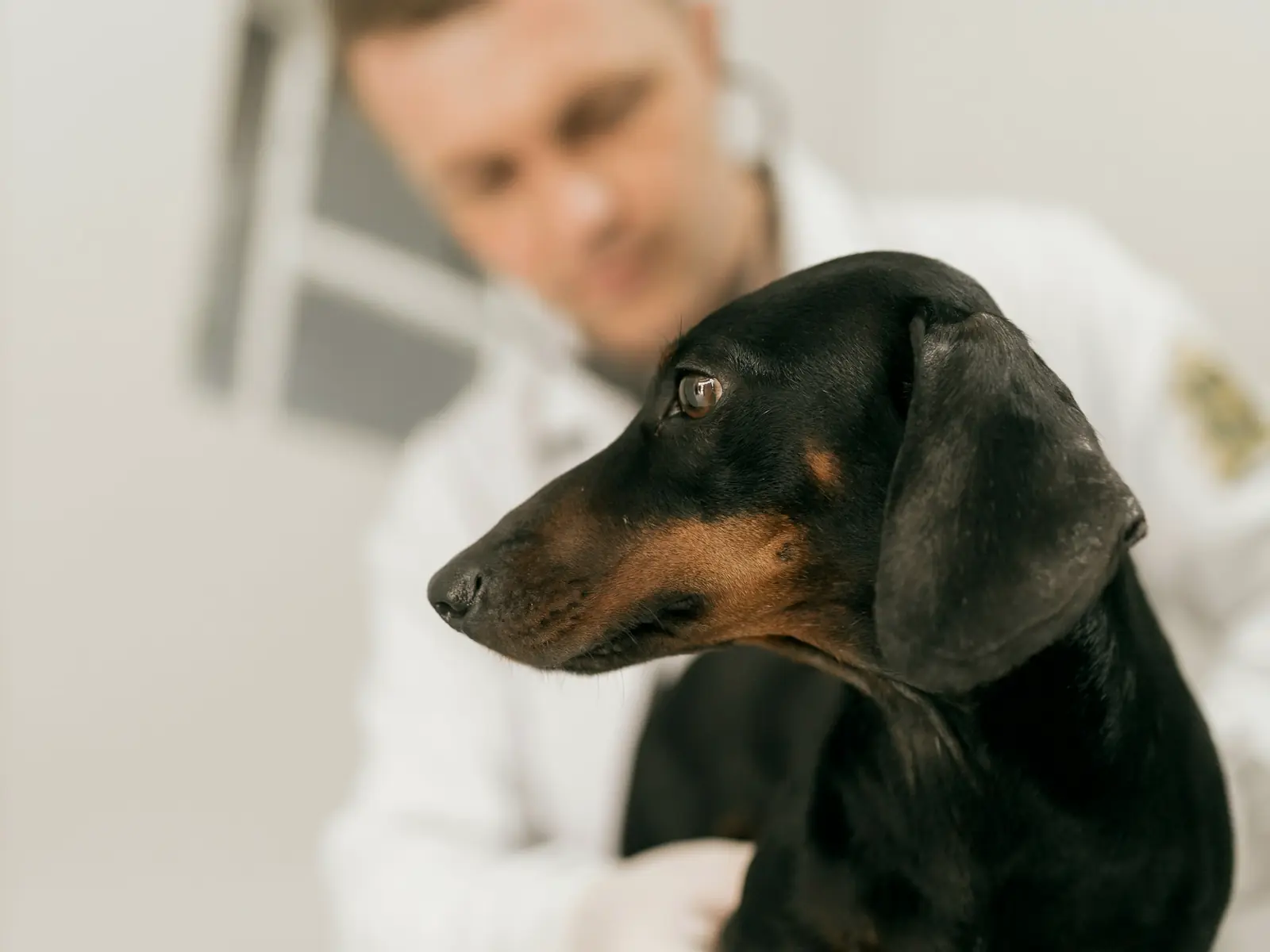
How independent vets fund buying a practice or adding a second site, from goodwill loans and stock to farm debtors, staffing and seller deferrals.
Explore funding options Prefer a quick call back? Leave your number
“I highly recommend this company: excellent service all round.”
In short
What you need to know.
Most deals combine the buyer's own contribution with a term loan for goodwill, asset finance for equipment and vehicles, a commercial mortgage if property is included and often deferred payments to the seller. Lenders focus on the companion, farm and equine income split, vet retention after the sale and profit once the seller's clinical time is replaced.
About veterinary practice acquisition finance
Specialist knowledge. Better outcomes.
This page is for vets and practice owners buying an independent practice, merging with a neighbour, or opening or acquiring a second site to build a small group. Independent buyers are competing with well-funded corporate groups for the same practices, so a buyer who arrives with funding already mapped out is in a stronger position with the seller. Smart Funding Solutions is a broker, not a lender: we search our panel of 300+ lenders and arrange facilities from £10,000 to £20 million. It forms part of our wider veterinary practice loans service.
A vet practice sale usually has four parts: goodwill, equipment and fixtures, drugs and consumable stock, and sometimes the premises. Stock is commonly valued at completion and paid on top of the headline price, which catches out buyers who have not budgeted for it. The freehold is often owned personally by the retiring vet and let to the practice, so the buyer may take a new lease with an option to buy the building later.
The core of most deals. Lenders lend against the adjusted profit the practice will make under the new owner, after paying a market salary to replace the seller's clinical time. Personal guarantees are common and a debenture is often taken over the buying company. Our goodwill finance page explains how lenders value it.
If the X-ray, ultrasound or anaesthetic machines need replacing soon after purchase, fund them separately on hire purchase or lease so the goodwill loan is not stretched. Ambulatory vehicles for farm rounds can go the same way through vehicle finance. Our page on veterinary equipment finance covers the kit in detail.
Where the building is part of the deal, a commercial mortgage over the premises can fund it on a longer term than the goodwill. Specialist premises, with kennels, isolation and theatre, can narrow the lender field; our veterinary premises finance page deals with that.
A retiring vet may accept part of the price over time, perhaps linked to how many clients or plan members stay. It reduces borrowing and shares the transition risk, but lenders count the payments as a commitment and usually want them to rank behind their loan. See our guide to vendor finance and deferred consideration.
Buying an existing practice brings clients and cash flow from day one but costs goodwill. Opening a branch costs less upfront but has no income until clients arrive, and the fit-out, kit and early losses all need funding. Lenders typically find a bought practice easier to fund because they can see its accounts, whereas a new branch is assessed on the strength of the main practice and your plan for referring work between sites. For an opened branch, fit-out is often funded through fit-out and refurbishment finance alongside equipment finance. Either way, new premises from which medicines are supplied need to be registered with the Veterinary Medicines Directorate, and the registration should be in place before you trade. Our article on what it costs to set up a veterinary practice covers the start-up side.
Check what you are taking on. Supplier agreements for in-house laboratory equipment can tie the practice to minimum spends that transfer with a share purchase. Staff move under TUPE on an asset purchase, including their accrued rights. A practice that looks profitable because the owner works long hours for modest drawings may not be once a salaried vet does the same work. And borrowing heavily for a second site can put pressure on the first if the new branch builds slowly.
Consider alternatives too: a phased purchase where you buy a share first and the rest later, a partner buy-in funded through partner buy-in finance, or a larger seller deferral in place of some bank debt.
The income mix drives almost everything. Companion animal work paid by card at the desk is predictable and easy to evidence. Farm work is typically invoiced on account, often monthly, so the target may carry a significant debtor book and the buyer needs to know how much of it is collectable and whether it is included in the price. Equine work can be seasonal and concentrated in a few yards. Lenders will ask for the split and, for farm practices, a list of the largest clients, because losing one dairy unit can move the numbers.
Other things lenders on our panel commonly probe:
Many practices earn a meaningful margin on medicines and prescriptions. The CMA's market investigation into veterinary services for household pets has examined pricing and medicines, so buyers should model the practice's profit if dispensing margins narrow or pricing becomes more transparent.
Recurring monthly income that lenders value, provided the plan and its direct debits transfer to the new owner.
Recruitment is hard in many regions. If the seller is the main clinician, or key assistants are likely to leave, profit after completion may be lower than the accounts suggest. Lenders will want to see the rota and contracts.
Whether the practice provides its own cover or pays an external provider affects both cost and staff turnover.
Whether the practice holds an award under the RCVS Practice Standards Scheme, and whether there are open issues from inspections.
How the main business finance structures work. Lenders set their own terms, so treat this as a guide to the questions to ask.
| Option | How you repay | Security | Often used for |
|---|---|---|---|
| Unsecured business loan | Fixed instalments, usually monthly | No charge over assets; a personal guarantee is usually required | Growth, stock, tax bills and cash flow |
| Secured business loan | Fixed instalments, often over a longer term | A charge over property or other assets | Larger sums, property and refinancing |
| Revolving credit facility | Interest on what you draw; repay and redraw | Varies by lender and case | Recurring or uneven cash flow gaps |
| Merchant cash advance | A share of future card takings | No charge over assets | Card-taking businesses with uneven months |
| Asset finance | Regular payments over the life of the asset | The asset being financed | Equipment, vehicles and machinery |
| Invoice finance | Settled as customers pay their invoices | Your unpaid invoices | Businesses waiting on customer payment |
General information only. Every lender has its own criteria, and all finance is subject to status.
We look at the target's income split, your own practice if you have one, and the price, then approach lenders on our panel whose appetite fits the work mix and deal size, including lenders comfortable with farm and mixed practices. We present the transaction in full, with heads of terms, adjusted profit and transition plan, in the way we did for an accountancy practice acquisition, where the goodwill and recurring fees had to be understood rather than filed as a standard loan request. The lender makes the final decision. It is free to enquire; any broker fee is disclosed separately before you proceed. Our acquisition finance guide covers deal structures across all sectors.
Often, yes. Groups may offer higher headline prices, but many retiring vets care about who takes on their clients and staff, and about certainty of completion. A buyer with funding lined up, a clear handover plan and flexibility on deferred payments can compete on terms other than price.
UK law allows non-vets to own practices, and some lenders will fund them. Expect lenders to focus on the clinical director, vet contracts and retention plans, and on the buyer's own management or business background.
It can narrow the field, because farm income is invoiced on account and more concentrated. A clear debtor history, a spread of farm clients and a solid companion animal side help. Some buyers use invoice finance after completion to ease the farm debtor gap.
Allow several months from heads of terms to completion. The funding decision itself is rarely the slowest part: due diligence on the accounts and debtors, lease negotiations with a landlord (often the seller), TUPE consultation and premises registration usually set the pace. Starting the valuation and legal work in parallel with the funding application saves time.
There is no fixed figure, but lenders expect the buyer to put in a meaningful contribution of their own alongside any loan. How much depends on how much of the price is goodwill, whether property is included, the practice's income mix and whether the seller will defer part of the payment. A strong clinical track record and a practice you already work in can help. Our guide to the deposit needed to buy a business explains the factors.
Setting up a small-animal veterinary practice commonly runs into the hundreds of thousands of pounds once you add premises…

Veterinary premises finance is usually a commercial mortgage to buy the building a practice trades from, a unit to convert into…

Law firm acquisitions are usually funded with a term loan repaid from the enlarged firm’s profits, alongside the buyer’s own…

A goodwill loan funds the part of a business price that is not bricks, equipment or stock: the client list, patient base, NHS…
Veterinary equipment finance spreads the cost of digital X-ray, ultrasound, CT, anaesthesia and monitoring, dental units, lab…

To buy an architecture practice, identify a firm whose people, sectors and order book you want, then value it on normalised…
What our clients say
“Simon was fast, kept us updated at all stages and was a real pleasure to work with on our asset finance. I highly recommend this company: excellent service all round.”
“Spoke with Simon, who managed to get me the loan I needed promptly. The whole process was very smooth and was completed within a few days.”
“Getting a business loan can feel like a bit of a minefield, but everything was broken down for me in great detail. Will use again in the future!”
“Simon was a pleasure to deal with and helped us find a business loan that matched our growth goals and future expansion plans.”
“I couldn’t source funding for my business, but the team got in touch within an hour and had it sorted within 24 hours. Fantastic service, and I would definitely use them again.”