
How to start an architecture firm in the UK
To start an architecture firm in the UK you need to be on the ARB register to use the title architect, choose a structure (sole…

Spread the cost of CAD workstations, BIM software, plotters and survey kit. See which items lenders fund, how to handle software licences and plan refreshes.
Architectural equipment finance helps practices spread the cost of the technology they rely on: high-performance workstations, CAD and BIM software licences, large-format plotters and printers, 3D printers, laser scanners, drones and office fit-outs. The main options are hire purchase, leasing, soft asset finance for software, and unsecured business loans. Spreading the cost protects cash flow in a business where fee income can be uneven.
This guide is for architecture and design practices planning a technology refresh, a new studio or survey capability. It focuses on the equipment decisions; for wider funding such as working capital, tax bills or buying into a partnership, see our page on architect practice finance. Smart Funding Solutions is a broker: we approach lenders on our panel that fund technology and soft assets.
Setting up a new studio? Our guide to starting an architecture practice walks through structure, PII and how new practices fund the first year.
Architecture is project-based. Fees often arrive in stages, while software subscriptions, hardware upgrades and salaries are due every month. Finance helps you:
You pay fixed instalments and own the equipment after the final payment. It suits long-life items such as plotters, survey equipment and furniture, and you may be able to claim capital allowances.
You rent the equipment for an agreed term. Leasing keeps up-front costs low and makes it easier to refresh fast-moving technology such as workstations. Rentals are generally treated as a business expense.
Software licences, installation and training have little resale value, so fewer lenders fund them, but specialist providers do. Our guide to soft asset finance explains how it works.
An unsecured business loan gives you a lump sum for mixed purposes, such as equipment, recruitment and fit-out together. Lenders focus on your practice's trading, cash flow and credit history, and usually ask for a personal guarantee.
Equipment finance does not solve gaps between fee stages. For that, a revolving credit facility or overdraft lets you draw what you need and pay interest only on what you use.
| Need | Often suits |
|---|---|
| Long-life equipment you want to own | Hire purchase |
| Technology you will upgrade regularly | Leasing |
| Software, training and installation | Soft asset finance |
| Several mixed costs at once | Unsecured business loan |
| Uneven fee income | Revolving credit facility |
Compare the total cost of borrowing, including fees and early settlement charges, not just the monthly payment. Your accountant can advise on the tax treatment of each option.
Much design software is now sold as a monthly or annual subscription, which changes the finance question:
Check that the finance term does not run beyond the licence term. Paying for software you no longer use is a common and avoidable cost.
£137,500A transaction we arranged£137.5K to fund an accountancy practice acquisition.An established firm had an acquisition agreed. We structured the funding around the transaction and got it completed.This guide is general information, not financial advice. Lenders set their own criteria, rates and terms, and all finance is subject to status.
Not ready for the full application? Leave a few details and a broker will call you to talk it through. It is free, with no obligation.
Often, yes. Lenders will look closely at your qualifications, experience, business plan and personal credit history. Asset-backed options such as hire purchase and leasing can be easier to obtain than unsecured loans for new practices. A deposit or personal guarantee may be requested, and every lender sets its own criteria.
Yes, many lenders will fund used architectural equipment such as plotters, scanners and survey instruments, provided it comes from a recognised supplier and has a sensible remaining working life. Lenders usually want an invoice, details of the item's age and condition, and a term that ends well before the kit is likely to wear out. Older or very specialist items may need a shorter agreement or a larger deposit. Our page on used equipment finance explains what lenders check.
Often yes, particularly for limited company practices, partnerships with a short trading record or soft assets such as software. Hire purchase and leasing are secured on the equipment itself, so some lenders may not ask for a guarantee on hardware for an established practice, but on software, training and unsecured loans a personal guarantee from the directors or partners is usual. Read exactly what you are guaranteeing and whether it is capped before you sign.
Leasing often suits CAD and BIM workstations because they date quickly and you may want to refresh them every few years without being left with old hardware. Buying, or using hire purchase, makes more sense for kit that stays useful for longer, such as plotters and furniture, and lets you claim capital allowances as owner. Compare the total cost over the period you will actually use the machines, and ask your accountant about the tax treatment. See hire purchase vs leasing for a fuller comparison.
It can, depending on the stage. Some lenders may use a soft search at the early quote stage, which does not show to other lenders, but a full search is usually carried out when you formally apply and that is recorded on the business or personal credit file. Making several full applications in a short time can look like financial pressure, so it helps to know which lenders are likely to suit your practice before applying.
To start an architecture firm in the UK you need to be on the ARB register to use the title architect, choose a structure (sole…
Invoice finance works for accountancy firms whose fees are billed to limited companies and other businesses: a provider…
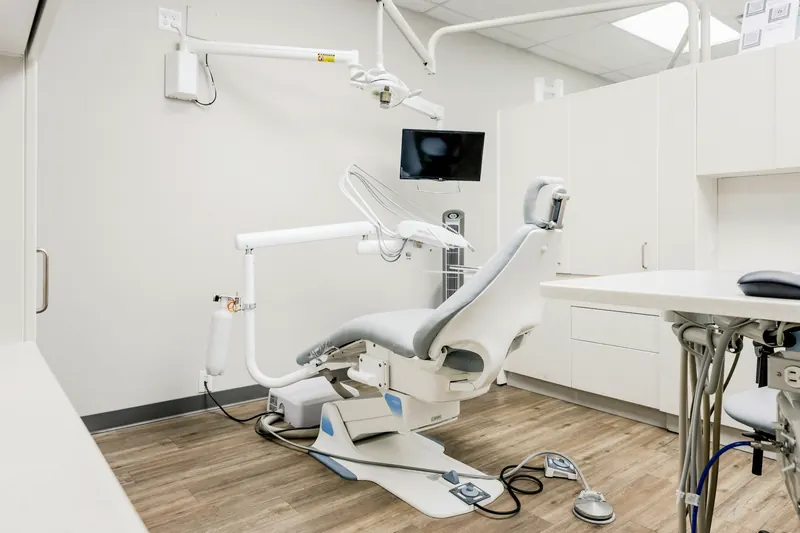
Dental equipment finance spreads the cost of chairs, OPG and CBCT imaging, intraoral scanners and decontamination equipment…

Engineering consultancy finance helps structural, civil, building services and geotechnical practices bridge the gap between…

Healthcare practice loans fund private clinics, therapy practices, optometrists, day surgeries and similar providers to buy or…
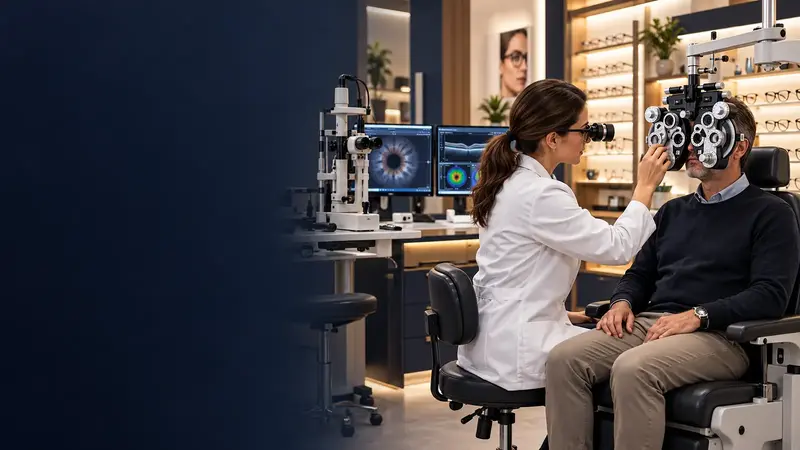
Optical equipment finance spreads the cost of OCT scanners, retinal cameras, visual field analysers, refraction units and…
Our clients say
Trusted by UK businesses across every sector.
“Simon was fast, kept us updated at all stages and was a real pleasure to work with on our asset finance. I highly recommend this company: excellent service all round.”
“Spoke with Simon, who managed to get me the loan I needed promptly. The whole process was very smooth and was completed within a few days.”
“Getting a business loan can feel like a bit of a minefield, but everything was broken down for me in great detail. Will use again in the future!”
“Simon was a pleasure to deal with and helped us find a business loan that matched our growth goals and future expansion plans.”
“I couldn’t source funding for my business, but the team got in touch within an hour and had it sorted within 24 hours. Fantastic service, and I would definitely use them again.”
A short conversation is often enough to know which lenders will look at your case and how to present it. There is no obligation, and it is free to enquire.