

Trade finance for UK importers and exporters
Trade finance funds individual purchases of goods: a lender pays your supplier, often overseas, and you repay once the goods…
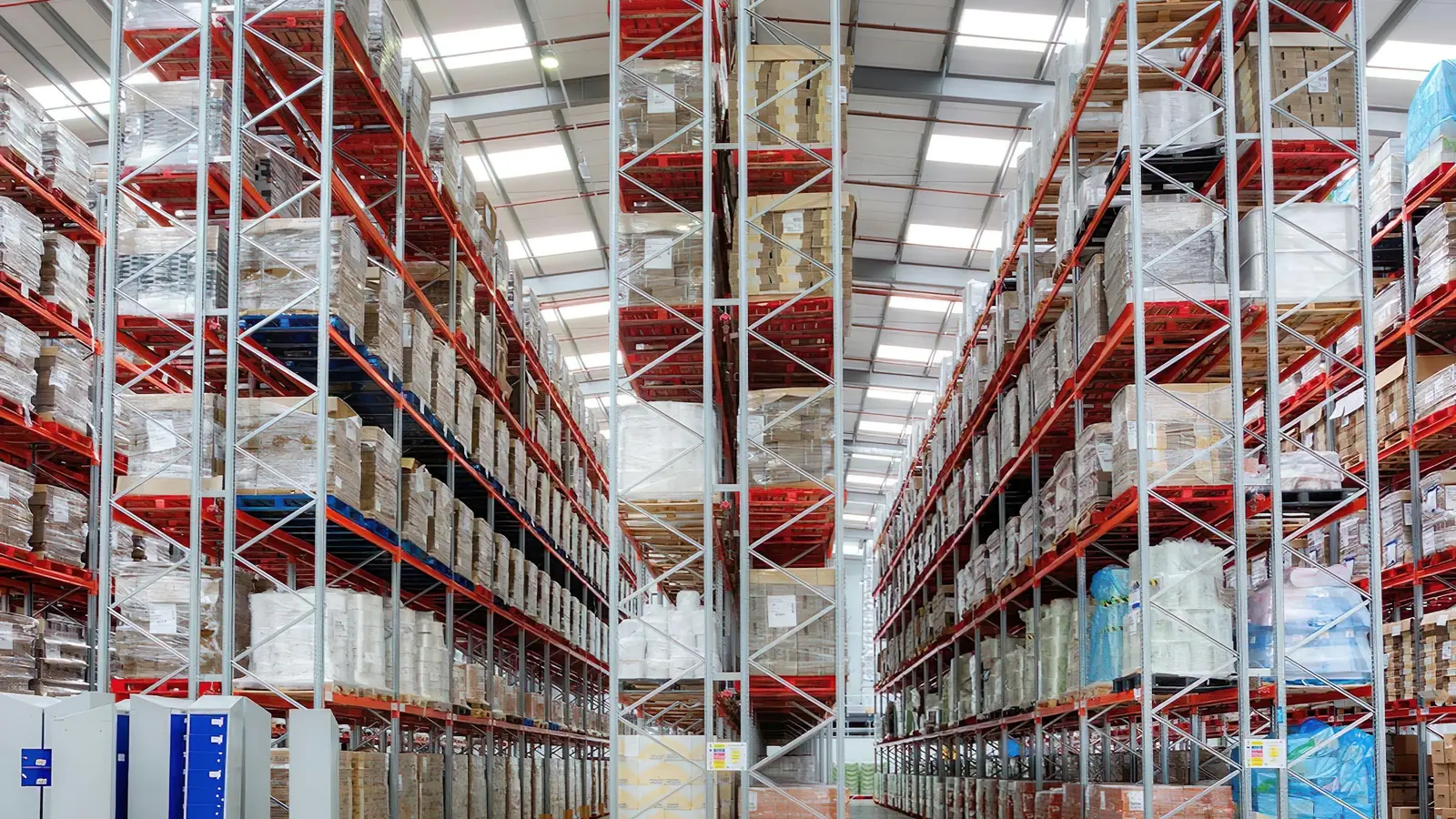
How UK importers and exporters fund supplier payments, shipping gaps and slow overseas customers, with trade, invoice and stock finance compared.
Import export finance is funding that bridges the cash gap between paying for goods and receiving payment for them in an international trade cycle. This guide is for UK importers, exporters, wholesalers and distributors who are growing faster than their cash allows, or who keep hitting the same squeeze each time a large order lands. Smart Funding Solutions compares trade, invoice and stock finance providers across its lender panel to find facilities that match how and when your money actually moves.
The right option depends on where your cash gap sits: paying suppliers before goods arrive, or waiting for customers to pay after delivery. For the wider range of short-term facilities, see our cash flow finance overview.
An importer may pay a supplier weeks before goods are shipped, cleared through customs and sold. An exporter may produce and ship goods, then wait on agreed credit terms before an overseas buyer pays. Currency movements, shipping delays, port charges and the risk of a supplier or buyer failing all add to the strain.
Take an importer that pays a deposit when it places an order, pays the balance when the goods are shipped, then pays duty and import VAT (unless it uses postponed VAT accounting) before it can sell. If its UK trade customers pay on 60-day terms, the business is out of pocket from the day it pays the deposit until its customers pay, often several months later. Mapping each of those dates is the first step in choosing finance, because it shows how much you need, for how long, and which stage needs funding.
Trade finance funds a specific transaction between the time you pay for goods and the time you are paid for them. Common forms include:
Lenders usually look at your track record in the goods you trade, the strength of your supplier and customer relationships, and your margins on each deal.
Businesses that move goods for others, rather than trading them, face a different cash gap; our guide to shipping business loans explains how forwarders fund carrier charges and duty.
Invoice finance releases most of the value of unpaid invoices shortly after you raise them, with the balance (less fees) paid when your customer settles. Some providers fund export invoices as well as UK ones, although the countries involved and the credit standing of overseas buyers affect what they will accept. Selective invoice finance lets you fund a single large export order without committing your whole sales ledger. Our invoice finance hub explains factoring and discounting in full.
Stock finance uses goods you are buying or already hold as security, providing a short-term loan or revolving line to purchase inventory. It suits importers who must buy in bulk ahead of a selling season. Our guide to stock finance covers how lenders value inventory.
Asset-based lending combines borrowing against receivables, stock, equipment and sometimes property in one facility that rises and falls with those assets. It usually suits established traders with a substantial balance sheet. Smaller or newer traders often use unsecured working capital loans or a revolving credit facility to cover freight, duties and marketing in new markets; these commonly require a personal guarantee.
£600,000A transaction we arranged£600K arranged, then another £400K as the business grew.A fast-scaling national training provider needed £600,000. Further funding followed as it grew, including a £400,000 facility.UK Export Finance is the UK government's export credit agency. It can support exporters through guarantees to banks for working capital, insurance against non-payment by overseas buyers, and finance for overseas buyers of UK goods. It works alongside banks and other lenders rather than replacing them, and eligibility depends on the transaction.
The British Business Bank's Growth Guarantee Scheme also supports lending to smaller businesses through accredited lenders; check the British Business Bank for current availability.
| Your cash gap | Options to consider |
|---|---|
| Paying overseas suppliers upfront | Trade finance, stock finance, letters of credit |
| Waiting for customers to pay | Invoice finance, export invoice finance, trade credit insurance |
| Ongoing working capital | Revolving credit, unsecured loans, asset-based lending |
| Large export contracts | Bank facilities supported by UK Export Finance |
We are a broker, not a lender. We review your trade cycle, approach trade, invoice and specialist lenders that suit it, and talk you through the terms offered; the lender makes the final decision. When you are ready, you can explore funding options online.
This guide is general information, not financial advice. Lenders set their own criteria, rates and terms, and all finance is subject to status.
Not ready for the full application? Leave a few details and a broker will call you to talk it through. It is free, with no obligation.
It is possible, but new importers have fewer options because lenders look for a track record in the goods and markets you trade. A strong confirmed order from a creditworthy customer, a reliable supplier and a clear margin on each deal improve the chances. Directors' personal credit and experience carry weight, and personal guarantees are common. Unsecured working capital or selective invoice finance on a single order may be easier to arrange than a full trade facility at first.
Some facilities can cover import VAT and duty, but many trade finance lines only pay the supplier, so landed costs such as freight, duty and VAT often need separate working capital or a revolving facility. Using postponed VAT accounting can reduce the cash needed at the border. Map each payment date in your trade cycle before choosing finance. HMRC explains accounting for import VAT on your VAT return.
No. Trade finance funds the purchase side of a deal, typically paying your supplier before goods are sold, while invoice finance releases cash against invoices you have already raised to customers. Many importers and exporters use both, one before and one after the sale. Which you need depends on where your cash gap sits. See trade finance for how supplier payment facilities work.
Often yes. Lenders funding smaller or newer trading businesses commonly ask directors for a personal guarantee, particularly on unsecured working capital loans and revolving credit facilities. Larger asset-based lending facilities secured on receivables, stock and equipment may rely more on those assets, but guarantees or indemnities can still be requested. Check exactly what the guarantee covers and for how much before you sign, and take independent advice if unsure.
Trade finance funds individual purchases of goods: a lender pays your supplier, often overseas, and you repay once the goods…

To calculate working capital, add up current assets (cash, trade debtors, stock and prepayments) and subtract current…
You can use business finance to pay wages when a gap is temporary, for example while waiting for customers to pay or through a…
Yes, businesses run by tenants can borrow. Merchant cash advances, revenue-based finance, invoice finance and asset finance…

Yes, a business can get a loan without filed accounts if it is already trading. Lenders replace accounts with business bank…
Business loans without a personal guarantee exist, but mostly for limited companies that can offer something else: property or…
Our clients say
Trusted by UK businesses across every sector.
“Simon was fast, kept us updated at all stages and was a real pleasure to work with on our asset finance. I highly recommend this company: excellent service all round.”
“Spoke with Simon, who managed to get me the loan I needed promptly. The whole process was very smooth and was completed within a few days.”
“Getting a business loan can feel like a bit of a minefield, but everything was broken down for me in great detail. Will use again in the future!”
“Simon was a pleasure to deal with and helped us find a business loan that matched our growth goals and future expansion plans.”
“I couldn’t source funding for my business, but the team got in touch within an hour and had it sorted within 24 hours. Fantastic service, and I would definitely use them again.”
A short conversation is often enough to know which lenders will look at your case and how to present it. There is no obligation, and it is free to enquire.