

Finance lease: equipment leasing without ownership
A finance lease is a form of equipment leasing in which a lender buys an asset and rents it to your business for most of its…
Fund scrubber dryers, carpet extractors, pressure washers and pure water systems on hire purchase or lease, and see what lenders want from cleaning firms.
Explore funding options Prefer a quick call back? Leave your number
“A super responsive broker who quickly diagnoses the needs of the client.”
In short
What you need to know.
Leasing suits kit that wears out fast or is needed only for one contract, since the lease can end when the contract does. Lenders give real weight to signed cleaning contracts, which show how the equipment will pay for itself.
Most lenders will finance new equipment from established suppliers, and many will consider used equipment depending on its age and value.
About cleaning equipment finance
Specialist knowledge. Better outcomes.
Cleaning equipment finance lets a contract cleaner, window cleaner or facilities business spread the cost of scrubber dryers, sweepers, carpet extractors, pressure washers and pure water systems over monthly payments instead of paying upfront. It helps when a new contract needs kit before the first invoice is paid. Smart Funding Solutions is a broker, not a lender: we look across our lender panel for equipment finance that fits your contracts and cash flow.
You pay a deposit and fixed monthly instalments, and own the machine once the final payment is made. It suits robust kit you will run for years, such as ride-on scrubbers or van-mounted systems. You may be able to claim capital allowances. VAT is usually paid upfront with the deposit; VAT-registered businesses reclaim it through their VAT return.
The lender owns the equipment and you rent it for a fixed term with low upfront costs. Leasing suits machines that take a hammering and need replacing regularly, or kit tied to a specific contract length, so the lease can end when the contract does. Rentals are generally treated as a business expense.
If you are buying from several suppliers, kitting out a new unit or mobilising a large contract, an unsecured business loan can cover the whole package. Directors usually give a personal guarantee.
Commercial cleaning contracts often pay monthly in arrears, while wages are due weekly. As you win more contracts, that gap grows. Invoice finance releases cash from unpaid invoices to business customers, and working capital funding can cover mobilisation costs such as uniforms, consumables and extra staff. Vans can be funded through van finance.
signed cleaning contracts, their length and who the customers are show how the equipment will earn its keep.
steady monthly income and well-run accounts matter more than any single figure.
of the business and, for sole traders and small companies, the owners.
recognised brands from established dealers hold value better.
newer businesses may be asked for a larger contribution or a short business plan.
Documents usually requested are the supplier's quote, recent bank statements, the latest accounts or tax returns, ID for the owners and, where relevant, copies of key contracts.
Sole traders are common in cleaning. Finance of £25,000 or less to sole traders and small partnerships can be regulated consumer credit, which carries additional protections.
How the main business finance structures work. Lenders set their own terms, so treat this as a guide to the questions to ask.
| Option | How you repay | Security | Often used for |
|---|---|---|---|
| Unsecured business loan | Fixed instalments, usually monthly | No charge over assets; a personal guarantee is usually required | Growth, stock, tax bills and cash flow |
| Secured business loan | Fixed instalments, often over a longer term | A charge over property or other assets | Larger sums, property and refinancing |
| Revolving credit facility | Interest on what you draw; repay and redraw | Varies by lender and case | Recurring or uneven cash flow gaps |
| Merchant cash advance | A share of future card takings | No charge over assets | Card-taking businesses with uneven months |
| Asset finance | Regular payments over the life of the asset | The asset being financed | Equipment, vehicles and machinery |
| Invoice finance | Settled as customers pay their invoices | Your unpaid invoices | Businesses waiting on customer payment |
General information only. Every lender has its own criteria, and all finance is subject to status.
| Hire purchase | Leasing | |
|---|---|---|
| Ownership | Yours at the end | Stays with the lender |
| Upfront cost | Deposit, often plus VAT | Usually lower |
| Tax treatment | Capital allowances may apply | Rentals generally an expense |
| Upgrading | Sell or part-exchange | At the end of the term |
Your accountant can confirm the tax position for your business.
For a wider view of hire purchase, finance leases and refinancing, including what a start-up needs to show, see our guide to business asset finance.
It is free to enquire; any broker fee is disclosed separately before you proceed. To get started, apply online with your supplier's quote.
Illustrative figures from the numbers you enter, before you speak to a lender.
Yes, sole traders can get cleaning equipment finance, and they are common in the cleaning sector. Lenders look at bank statements, tax returns, the owner's credit history and the contracts the kit will serve. Finance of £25,000 or less to sole traders and small partnerships can be regulated consumer credit, which carries additional protections. Our page on sole trader loans covers other borrowing options.
Yes, many lenders will finance used cleaning equipment, depending on its age, condition and expected value. A scrubber dryer or pure water system bought from an established dealer with a known history is easier to fund than an older private sale. Terms on used kit may be shorter, and a larger deposit can be asked for. Our guide to used equipment finance explains how lenders assess second-hand assets.
Cleaning equipment finance can often be arranged within a few working days in straightforward cases, once the lender has the supplier quote, recent bank statements and accounts or tax returns. Larger amounts, used kit, newer businesses or complex credit histories can take longer because lenders ask more questions. Having copies of your key cleaning contracts ready helps show how the equipment will earn its keep.
It depends on your cash flow and how quickly the equipment pays for itself. Paying cash avoids interest, but finance keeps money free for wages, consumables and mobilising new contracts, which often pay monthly in arrears. Compare the total amount payable, not just the monthly cost, and match the term to the machine's working life. Your accountant can advise on the tax treatment of each route.
Yes. Buying an established cleaning company is usually funded with acquisition finance: a loan sized on the business's recent profits, your own contribution and sometimes part of the price paid to the seller after completion. Lenders look most closely at the contracts and how long they run, customer spread, staff costs and whether TUPE transfers the workforce, and the equipment and vans. You can see which lenders on our panel fund purchases like yours with Instant Quotes.
Not always. Many asset finance lenders fund equipment with a small deposit or none for established businesses, while newer businesses and used kit may need more. VAT on a hire purchase is usually paid upfront. Instant Quotes shows which lenders fit.
A finance lease is a form of equipment leasing in which a lender buys an asset and rents it to your business for most of its…

IT equipment finance spreads the cost of laptops, desktops, servers, networking and phone systems over monthly payments,…

Medical equipment finance spreads the cost of clinical kit, from ultrasound and endoscopy stacks to lab analysers, OCT scanners…

Commercial refrigeration finance spreads the cost of cold rooms, blast chillers, display chillers, refrigerated counters and…

Used equipment finance funds second-hand machinery, plant, vehicles and specialist kit through hire purchase, leasing or a…
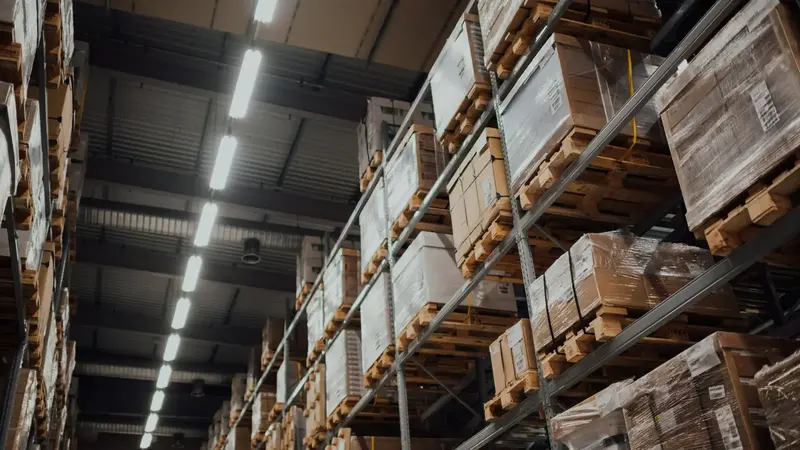
Warehouse equipment finance spreads the cost of racking, reach trucks, stackers, order pickers, dock levellers, pallet wrappers…
What our clients say
“Simon was fast, kept us updated at all stages and was a real pleasure to work with on our asset finance. I highly recommend this company: excellent service all round.”
“Spoke with Simon, who managed to get me the loan I needed promptly. The whole process was very smooth and was completed within a few days.”
“Getting a business loan can feel like a bit of a minefield, but everything was broken down for me in great detail. Will use again in the future!”
“Simon was a pleasure to deal with and helped us find a business loan that matched our growth goals and future expansion plans.”
“I couldn’t source funding for my business, but the team got in touch within an hour and had it sorted within 24 hours. Fantastic service, and I would definitely use them again.”

Chat with Smart Funding
We usually reply in seconds
Please don't share bank details or passwords here. Calls on 01244 267694.